









No products in the cart.
- Latest
- Trending

Russia, Australia, and Thailand Lead the Surge in Chinese Spring Festival Travel as Japan Sees Drama...
Comprehensive Summarization:
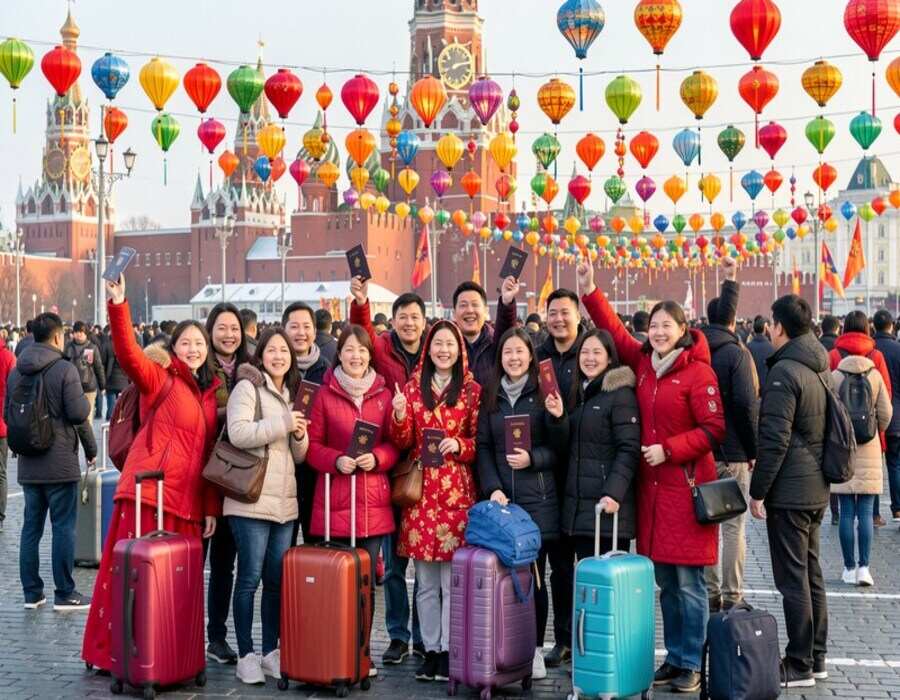
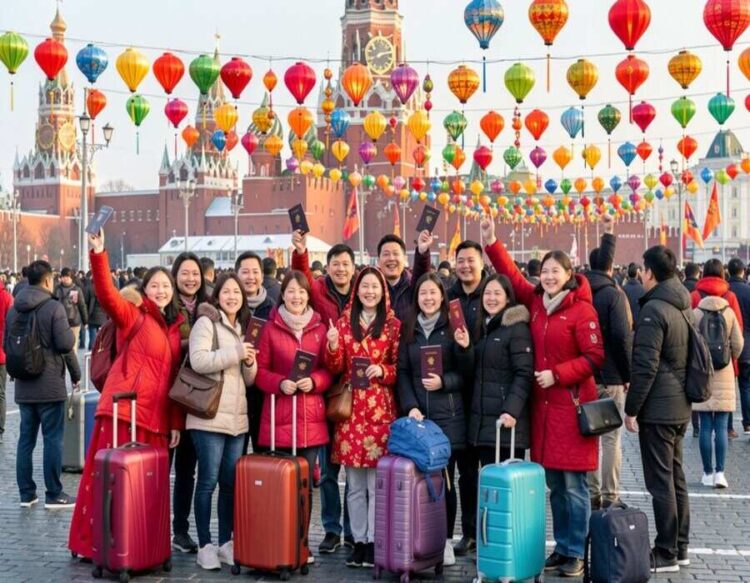
The article highlights a significant shift in Chinese Spring Festival travel patterns for 2026, with Russia, Australia, and Thailand emerging as the top destinations for Chinese travelers. This surge in bookings reflects a growing preference for these countries amid a sharp decline in travel to Japan. The Spring Festival, traditionally a time for family reunions and leisure travel, is witnessing a notable increase in long-haul destination bookings. Russia is experiencing a doubling of tour group bookings, Australia is seeing a 100% increase in Chinese visitors, and Thailand continues to maintain its popularity due to its geographical proximity and appeal. The article underscores the impact of rising geopolitical tensions in Japan on travel trends, emphasizing the adaptability and strategic positioning of these countries to attract Chinese tourists during this significant travel period.
Key Points:
Actionable Takeaways:
Diversification of Travel Destinations: Travel agencies and tour operators should consider diversifying their offerings to include Russia, Australia, and Thailand as key destinations for Chinese travelers during the Spring Festival. This strategy can capitalize on the observed surge in bookings and capitalize on the growing preference for these countries.
Leveraging Geopolitical Factors: Travel companies can use geopolitical tensions in Japan as an opportunity to promote alternative destinations. By highlighting the safety and appeal of Russia, Australia, and Thailand, agencies can attract Chinese travelers looking for secure and attractive travel options.
Enhanced Marketing Strategies: Given the strong recovery in Australia and the continued popularity of Thailand, travel marketers should tailor their campaigns to emphasize these countries’ unique attractions, such as proximity, cultural experiences, and safety, to maximize appeal to Chinese tourists.
Contextual Insights:
The article’s focus on the changing travel preferences of Chinese tourists during the Spring Festival provides valuable insights into current market dynamics. The shift from Japan to Russia, Australia, and Thailand highlights a broader trend of travelers seeking destinations that offer a balance of safety, cultural richness, and accessibility. This trend is further supported by the article’s mention of technological advancements in travel tech, which likely play a role in facilitating smoother travel experiences and enhancing customer satisfaction. As the travel industry continues to evolve, staying attuned to such shifts in consumer behavior and leveraging them strategically will be crucial for businesses aiming to thrive in this competitive landscape. The article also underscores the importance of geopolitical awareness in shaping travel trends, suggesting that companies should remain vigilant and adaptable to emerging global events that could impact travel demand.
Read the Complete Article.
Get curated travel AI insights — choose the newsletters that matter to you.
This spot is reserved for brands with a compelling story for the travel trade. They use this space to cut...
Read moreDetailsALTOUR Expands into Thailand, Strengthening Corporate Travel Network Across Southeast Asia BANGKOK, THAILAND (25 March, 2026) – ALTOUR, a leading...
Read moreDetails


Comprehensive Summarization: The article highlights a significant issue in Meghalaya's tourism sector due to a shortage of commercial LPG, which...
Read moreDetails