




No products in the cart.
- Latest
- Trending

Germany Joins France, UK, Brazil, Spain, Italy, New Zealand And More Than Eighty Nations Who May Fac...
Comprehensive Summarization:
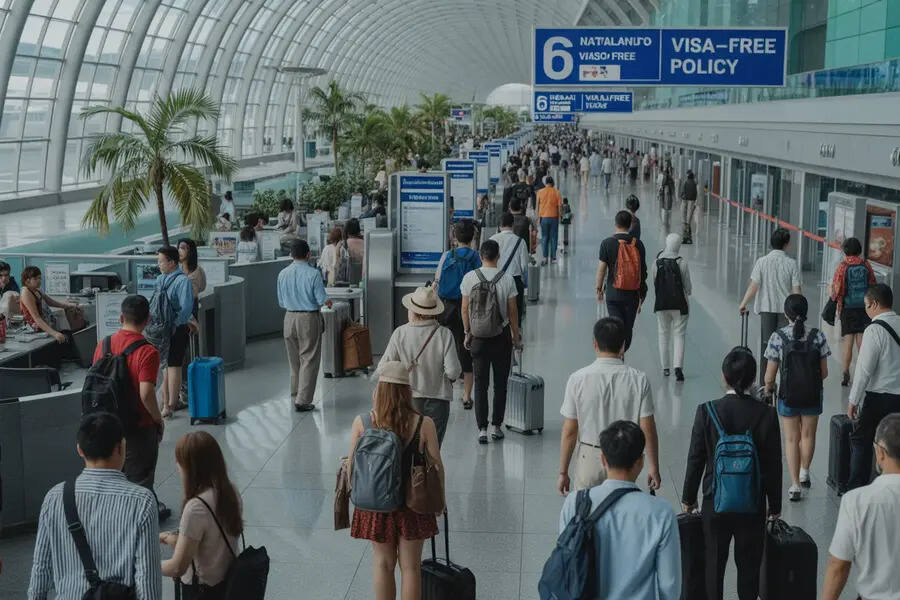
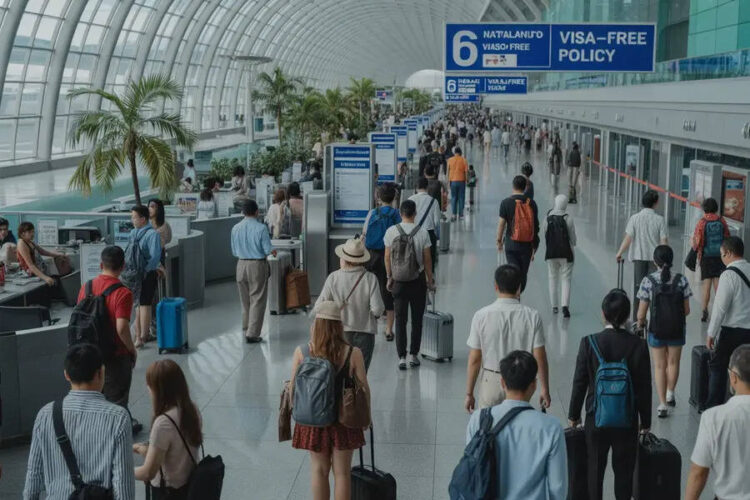
The article reports that Germany has joined a list of nations including France, the UK, Brazil, Spain, Italy, New Zealand, and over eighty others, which may see a reduction in Thailand’s visa-free stay from 60 days to 30 days, starting in 2026. This decision is prompted by concerns over misuse of the visa-free system, such as illegal work, unregulated businesses, and the inflation of property prices in popular tourist destinations. The Thai government is reviewing the policy due to these issues, signaling a potential shift in travel regulations that could impact both tourists and local businesses in Thailand.
Key Points:
Actionable Takeaways:
Impact on Tourism and Local Businesses: The reduction in visa-free stay may lead to a decrease in tourist numbers, potentially affecting the tourism industry in Thailand. Local businesses, especially those reliant on short-term visitors, may need to adapt their business models or marketing strategies to attract longer-term visitors or different demographics.
Policy Review and Regulation: The Thai government’s decision to review the visa policy indicates a broader trend of stricter regulations in the travel industry to combat misuse. Travel companies and startups operating in Thailand may need to stay informed about regulatory changes and ensure compliance to avoid penalties or operational disruptions.
Contextual Insights:
The article reflects a growing trend among several countries to tighten visa policies in response to concerns over misuse, such as illegal work and property price inflation. This move aligns with broader industry trends towards stricter border controls and regulatory oversight to ensure sustainable tourism and protect local economies. For travel startups and fintech companies operating in Thailand, this could mean increased opportunities in developing solutions that cater to the new regulatory environment, such as fintech services that facilitate compliant transactions for tourists or businesses. Additionally, the shift may prompt other nations to reassess their visa policies, potentially leading to a wave of regulatory changes globally that impact the travel industry as a whole.
Read the Complete Article.
Get curated travel AI insights — choose the newsletters that matter to you.
This spot is reserved for brands with a compelling story for the travel trade. They use this space to cut...
Read moreDetailsTravel One Technologies launches the world’s first Traveler DNA Platform, targeting the structural data gap at the core of an...
Read moreDetails