




No products in the cart.
- Latest
- Trending

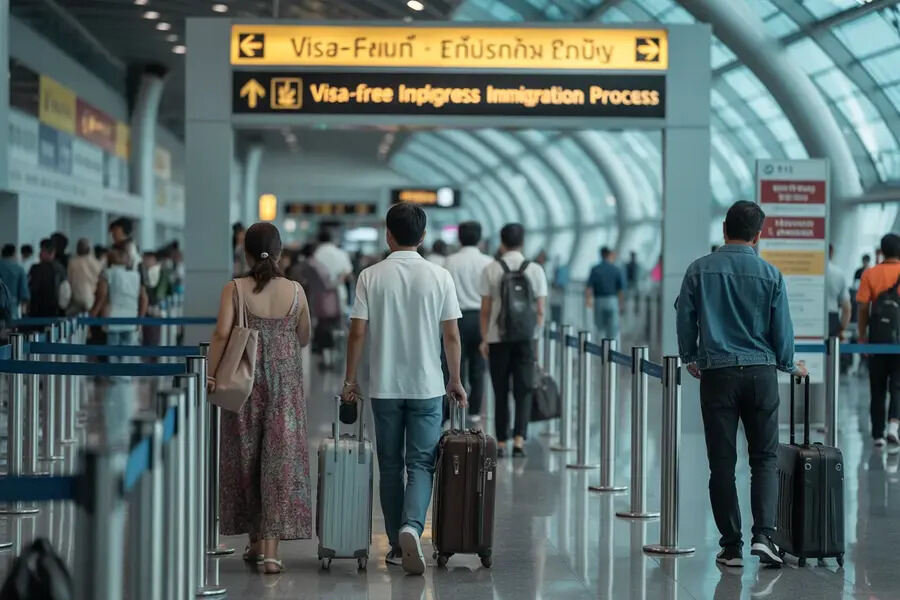
India Joins Thailand In Extending Visa-Free Access With 60-Day Stays, Enabling Seamless Travel For T...
Comprehensive Summarization:
The article reports that India has joined Thailand in extending visa-free access for Indian nationals, now allowing stays of up to 60 days, starting from February 13, 2026. This extension is designed to enhance tourism, facilitate business travel, and support remote workers, all of whom can now enjoy longer stays with a simplified entry process. By eliminating the previous 30-day cap and enabling more flexible stays, Thailand aims to attract higher-spending tourists, repeat visitors, and digital nomads. This change not only fosters greater tourism but also positions both countries to capitalize on the growing trend of remote work and digital nomadism in the Asia-Pacific region.
Key Points:
Actionable Takeaways:
Enhanced Tourism Opportunities: The 60-day visa-free stay extension is expected to significantly boost tourism in both India and Thailand. Travel agencies and hospitality businesses should prepare for increased demand by optimizing their offerings for longer stays, including accommodations, tours, and local experiences. This could lead to higher revenue streams and increased market share for businesses that adapt quickly to the new policy.
Support for Remote Work and Digital Nomads: The extension caters to the growing trend of remote work and digital nomadism. Companies offering remote work solutions and digital nomad-friendly services (e.g., coworking spaces, reliable internet connectivity) should leverage this policy to attract a new segment of travelers. Marketing campaigns highlighting the flexibility and convenience of extended stays could be particularly effective.
Business Travel Facilitation: For business leaders and executives, the extended visa period reduces the need for frequent visa applications, streamlining travel logistics. Travel management companies and corporate travel services should emphasize the ease of travel and potential cost savings associated with longer stays, positioning themselves as valuable partners in facilitating business travel.
Contextual Insights:
The visa extension reflects a broader industry trend towards more flexible and accessible travel policies, driven by the increasing demand for seamless travel experiences, especially in the wake of global mobility challenges. This move by Thailand and India aligns with the growing popularity of remote work and digital nomadism, as highlighted by recent thought leaders in the travel industry. Experts predict that such policies will continue to shape the travel landscape, fostering greater cross-border mobility and economic activity. As such, stakeholders in the travel sector should monitor these developments closely and adapt their strategies to capitalize on the opportunities presented by more flexible travel regulations.
Read the Complete Article.
Get curated travel AI insights — choose the newsletters that matter to you.
This spot is reserved for brands with a compelling story for the travel trade. They use this space to cut...
Read moreDetailsTravel One Technologies launches the world’s first Traveler DNA Platform, targeting the structural data gap at the core of an...
Read moreDetails