








No products in the cart.
- Latest
- Trending

Malaysia Now Tops Thailand in International Tourist Arrivals: Here’s Why Travelers Are Choosing Kual...
Comprehensive Summarization:
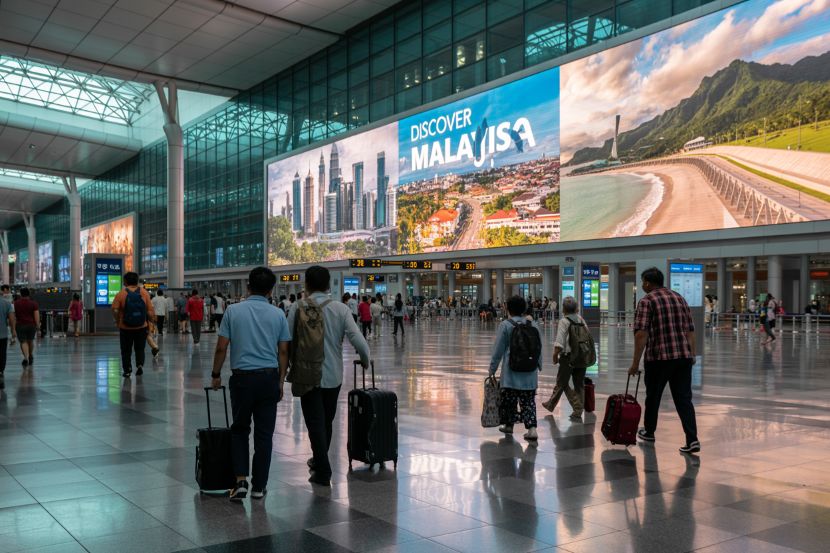
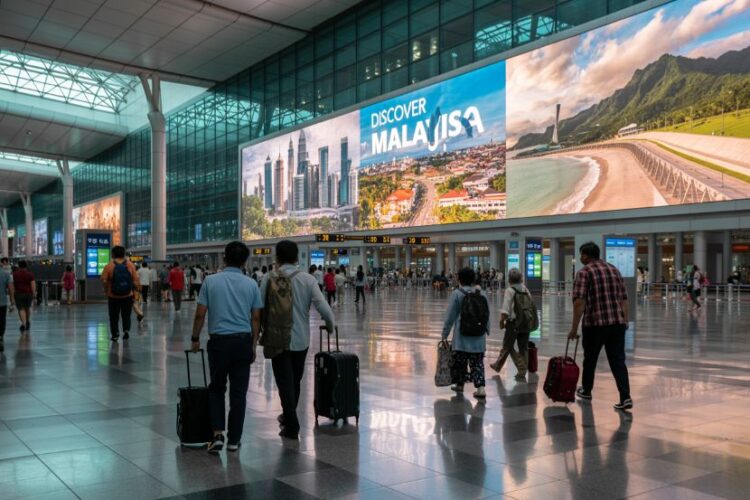
Malaysia has recently overtaken Thailand as the top destination for international tourists in Southeast Asia, according to a report published on February 16, 2026. Between January and May 2024, Malaysia recorded 16.9 million international tourist arrivals, narrowly surpassing Thailand’s 16.61 million. This shift is attributed to several factors, including Malaysia’s visa-free policies, strategic infrastructure upgrades, and aggressive marketing campaigns. These developments are positioning Kuala Lumpur, Melaka, and Borneo as increasingly attractive alternatives to Thailand’s classic destinations, reflecting broader trends in travel behavior and preferences within the region.
Key Points:
Actionable Takeaways:
Visa-Free Policies as a Competitive Advantage: Malaysia’s decision to implement visa-free policies for international travelers has significantly boosted its appeal. This policy is a key factor in its ability to attract more tourists compared to Thailand. Relevance: For travel agencies and policymakers, this underscores the importance of revisiting and potentially expanding visa policies to enhance competitiveness in the global tourism market.
Infrastructure Upgrades as a Growth Driver: The strategic upgrades to Malaysia’s infrastructure have played a crucial role in its tourism surge. Relevance: Travel companies and destination managers should prioritize infrastructure development to improve visitor experiences and attract more international tourists. This could include investments in transportation, accommodation, and digital services.
Marketing Campaigns as a Key Strategy: Malaysia’s aggressive marketing campaigns have been instrumental in driving tourist arrivals. Relevance: Businesses in the travel sector should consider enhancing their marketing strategies to increase brand visibility and appeal. This could involve leveraging digital marketing, influencer partnerships, and targeted campaigns to reach potential travelers.
Contextual Insights:
The shift in tourist preferences from Thailand to Malaysia reflects broader trends in the travel industry, where travelers are increasingly seeking destinations that offer ease of travel, modern infrastructure, and unique cultural experiences. This trend is supported by recent insights from travel thought leaders who emphasize the importance of digital transformation and customer-centric services in the travel sector. As the travel industry continues to evolve, destinations that can adapt to these changing preferences—through policies, infrastructure, and marketing—are likely to see sustained growth. This analysis aligns with the current emphasis on innovation and customer experience in travel tech, fintech, and related sectors, highlighting the need for continuous adaptation and improvement in the face of shifting market dynamics.
Read the Complete Article.
Get curated travel AI insights — choose the newsletters that matter to you.
This spot is reserved for brands with a compelling story for the travel trade. They use this space to cut...
Read moreDetailsTravel One Technologies launches the world’s first Traveler DNA Platform, targeting the structural data gap at the core of an...
Read moreDetails