







No products in the cart.
- Latest
- Trending

Southeast Asia’s Tourism Hubs Face New Aviation Shockwaves
Comprehensive Summarization:
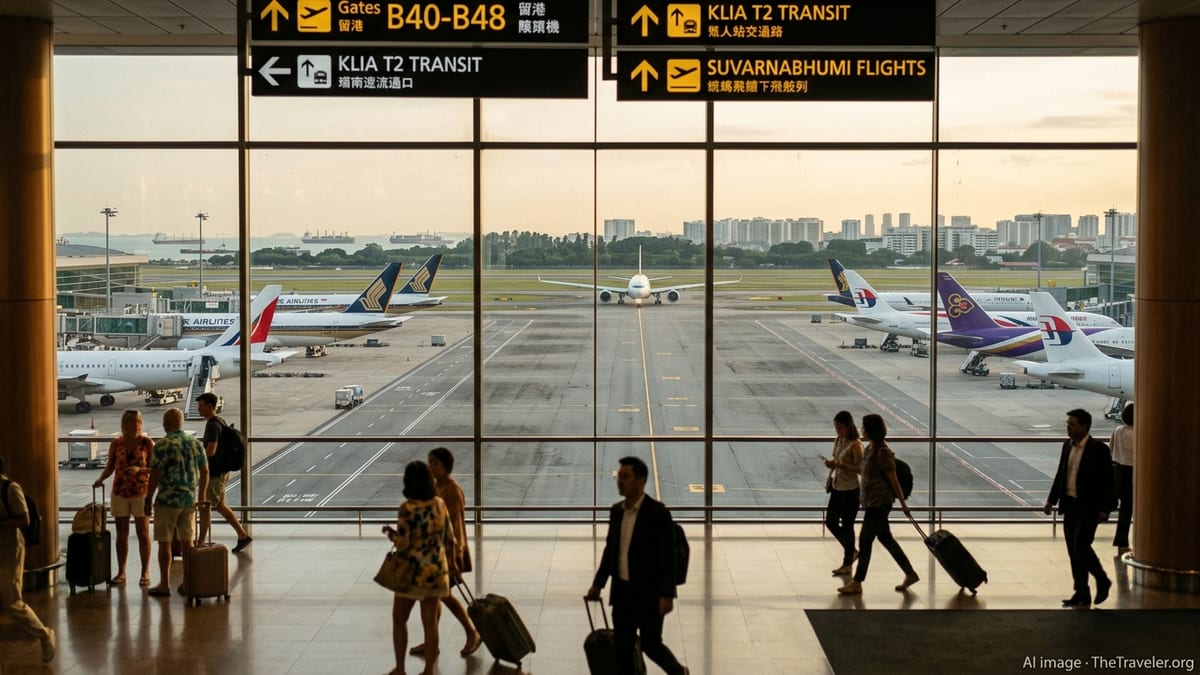
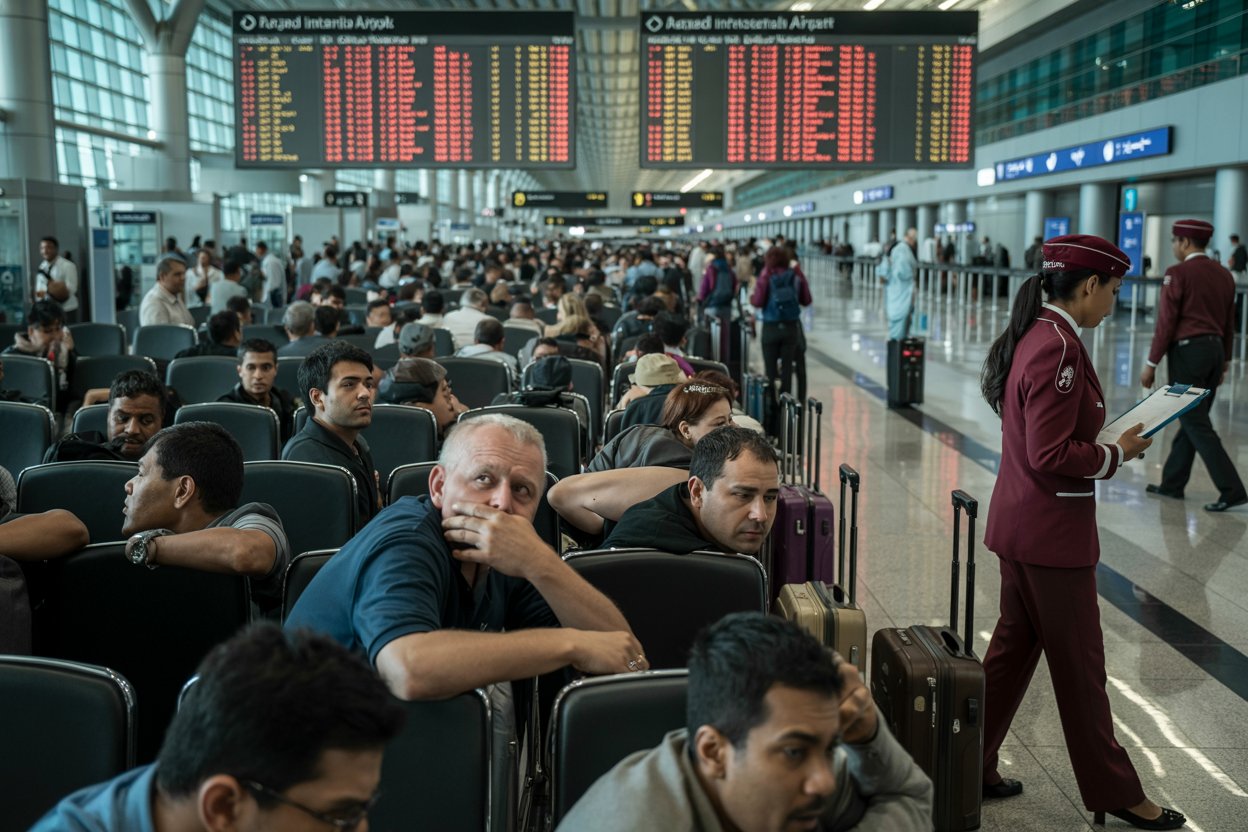
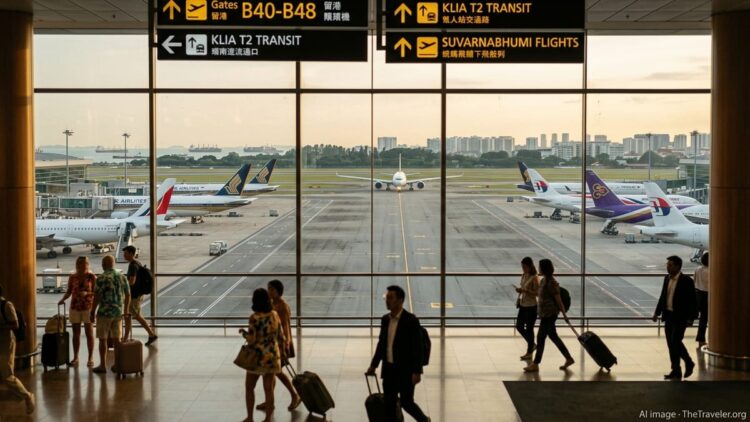
The article discusses the impact of escalating geopolitical tensions on global aviation, particularly in the travel hubs of Thailand, Malaysia, and Singapore. These tensions, which have disrupted key flight corridors across the Middle East and parts of Europe, are causing concerns about higher costs, longer journeys, and shifting travel sentiment. This could potentially slow the region’s hard-won tourism recovery. Airlines are adjusting flight paths to avoid conflict zones linked to the war in Iran, instability around Ukraine, and volatile flashpoints in the Middle East. The article emphasizes the ripple effect of these geopolitical issues on the travel industry, highlighting the need for adaptability and strategic planning in response to shifting travel dynamics.
Key Points:
Actionable Takeaways:
Route Adjustments and Cost Management: Airlines should proactively adjust flight paths to avoid conflict zones, implementing cost management strategies to mitigate the impact on pricing and passenger pricing sensitivity. This is crucial for maintaining profitability and customer satisfaction in a volatile travel environment.
Investment in Travel Tech Solutions: The article underscores the importance of investing in travel technology solutions that can facilitate real-time route adjustments and provide predictive analytics for travel sentiment. This will enable airlines and travel companies to adapt swiftly to geopolitical changes and maintain competitive advantage.
Strengthening Partnerships and Diversification: To mitigate risks associated with geopolitical tensions, travel companies should strengthen partnerships with regional airlines and diversify their flight networks. This approach can help ensure continuity of service and reduce dependency on specific routes or regions, thereby safeguarding against further disruptions.
Contextual Insights:
The article reflects the current state of the travel industry, where geopolitical tensions pose significant challenges to travel continuity and profitability. The focus on adjusting flight paths and investing in travel technology solutions highlights the industry’s shift towards greater adaptability and resilience. These trends are indicative of a broader industry movement towards leveraging technology to navigate uncertainties and maintain operational efficiency. Furthermore, the emphasis on diversification of flight networks aligns with the growing trend of strategic partnerships and route optimization, which are essential for sustaining growth in a volatile market. The insights provided are directly sourced from the article and are tailored to inform strategic decision-making in the travel sector.
Read the Complete Article.
Get curated travel AI insights — choose the newsletters that matter to you.
This spot is reserved for brands with a compelling story for the travel trade. They use this space to cut...
Read moreDetailsTravel One Technologies launches the world’s first Traveler DNA Platform, targeting the structural data gap at the core of an...
Read moreDetails