


No products in the cart.
- Latest
- Trending


Sri Lanka, Egypt, and Thailand Struggle with Fuel Shortages and Tourism Disruptions Amid Iran Confli...
Comprehensive Summarization:
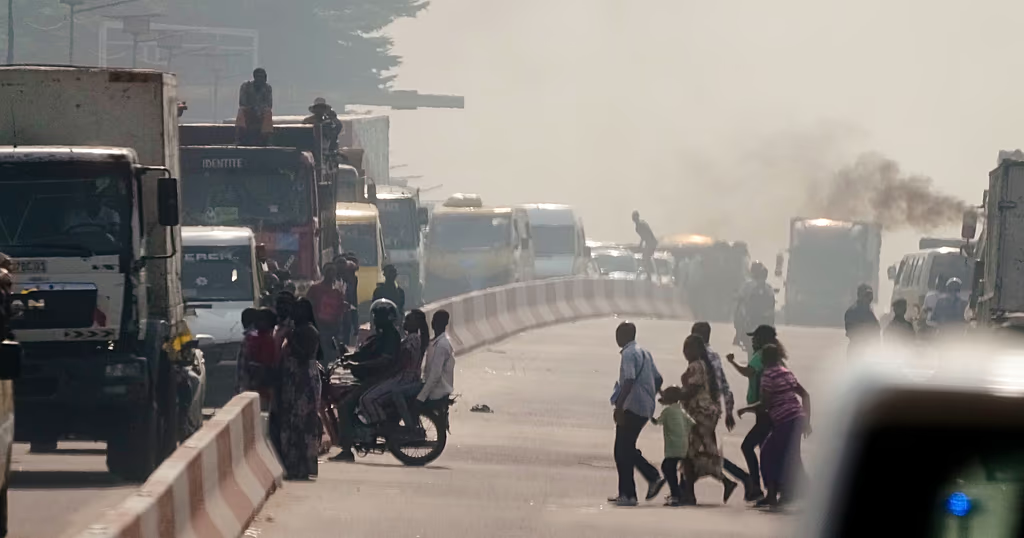
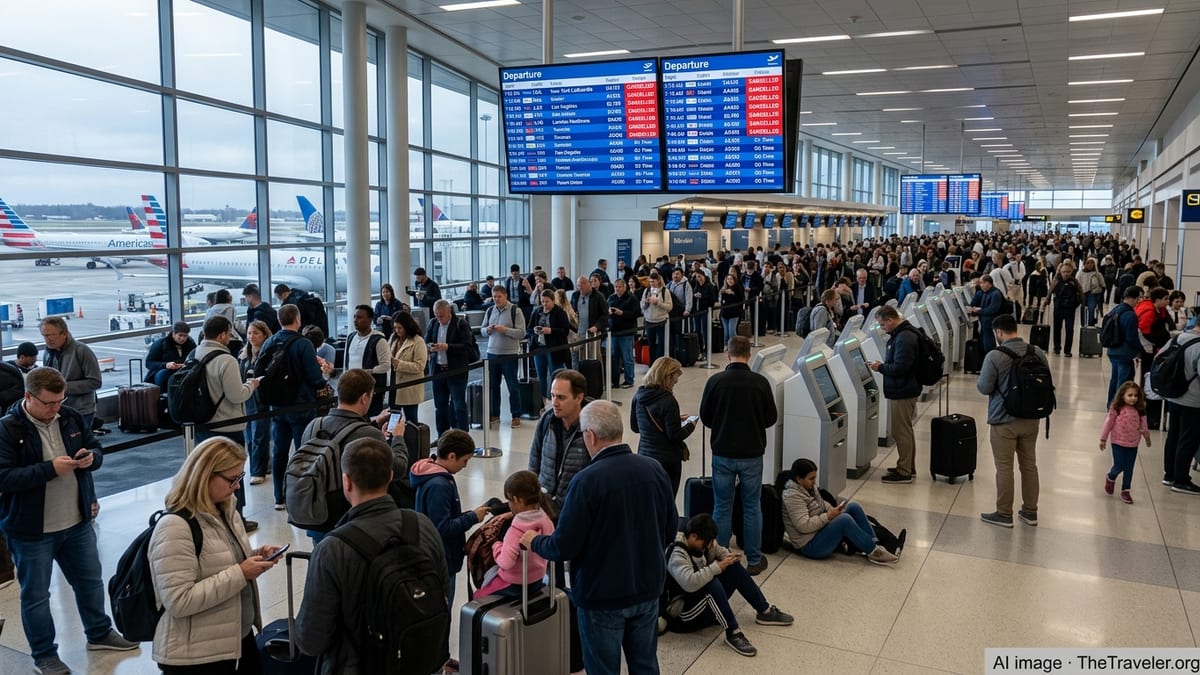
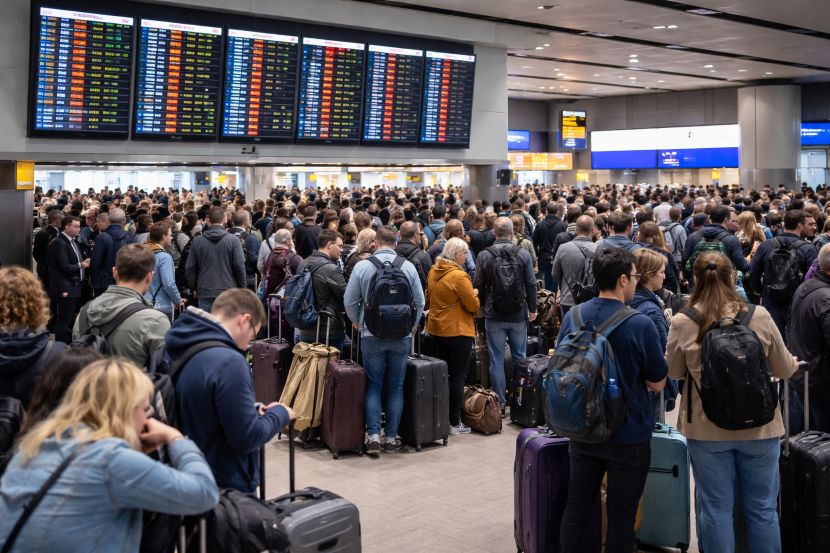
The article discusses the far-reaching impacts of the ongoing conflict in Iran on popular tourist destinations in Asia, particularly those reliant on oil passing through the Strait of Hormuz, such as Sri Lanka, Egypt, and Thailand. These countries are experiencing fuel shortages and travel disruptions due to the escalating tensions in the region. The situation has created significant economic challenges, especially in Southeast Asia, where tourism is a vital industry. The article highlights the ripple effect of the conflict, causing uncertainty among travelers and disrupting daily life in affected regions. It emphasizes the vulnerability of the travel industry to geopolitical events and the need for adaptive strategies to mitigate such impacts.
Key Points:
Actionable Takeaways:
Diversify Supply Chains: Travel and tourism businesses in affected regions should explore diversifying their supply chains to reduce dependency on oil imports from volatile regions. This could involve sourcing alternative fuels or investing in renewable energy sources to mitigate the impact of fuel shortages on travel operations.
Enhance Travel Insurance and Flexibility: Travel companies should offer enhanced travel insurance packages that cover disruptions due to geopolitical conflicts. Additionally, implementing flexible booking policies that allow travelers to modify or cancel bookings without penalties can help manage uncertainty and maintain customer trust during turbulent times.
Invest in Digital Travel Solutions: Leveraging digital technologies, such as AI-driven travel planning tools and blockchain-based travel insurance, can help the industry adapt to disruptions more efficiently. These innovations can provide real-time updates, streamline booking processes, and offer secure, transparent transactions, thereby enhancing the resilience of travel businesses against geopolitical risks.
Contextual Understanding:
The article is rooted in the current geopolitical landscape, specifically the conflict in Iran, which has direct implications for travel and tourism in Asia. The focus on fuel shortages and their impact on travel operations underscores the vulnerability of the travel industry to external geopolitical factors. The emphasis on diversifying supply chains and enhancing digital solutions reflects current industry trends towards resilience and innovation. Thought leaders in the travel sector are increasingly advocating for adaptive strategies that leverage technology to mitigate risks associated with geopolitical instability. This article aligns with these trends by highlighting the need for proactive measures to safeguard the travel industry against future disruptions.
Handling Different Article Types:
The article is a news brief, providing factual information about the impact of a geopolitical conflict on the travel industry. The structured output format is tailored to present concise summaries, key points, actionable takeaways, and contextual insights in a professional manner suitable for a travel industry audience. The content is strictly derived from the article’s facts and context, ensuring accuracy and relevance without introducing external information.
Read the Complete Article.
Get curated travel AI insights — choose the newsletters that matter to you.
This spot is reserved for brands with a compelling story for the travel trade. They use this space to cut...
Read moreDetailsTravel One Technologies launches the world’s first Traveler DNA Platform, targeting the structural data gap at the core of an...
Read moreDetails