




No products in the cart.
- Latest
- Trending

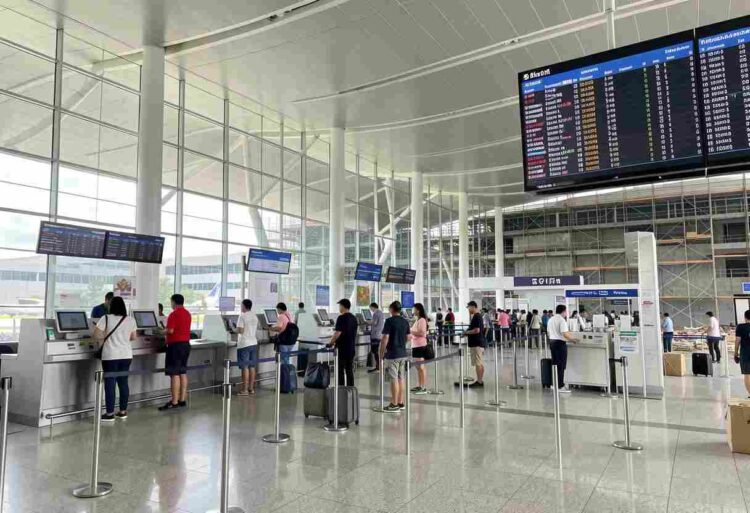
International Passenger Service Charges in Thailand to Be Raised by Fifty-Three Percent from June Tw...
Comprehensive Summarization:
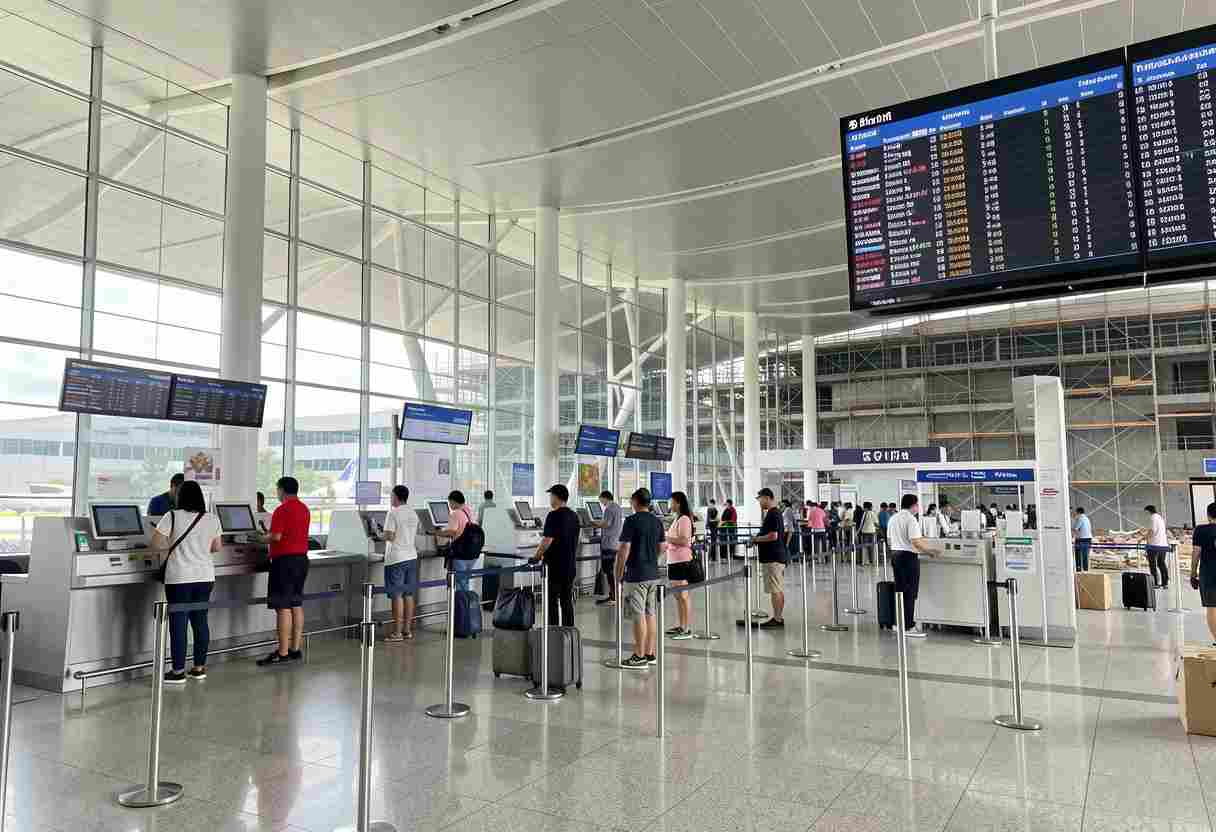
The article reports that Thailand is set to increase its Passenger Service Charge (PSC) at the country’s six largest airports by 53%, effective June 20, 2026. The fee will rise from 730 baht to 1,120 baht per person for outbound international passengers. This decision, announced by Airports of Thailand (AOT), aims to address rising operating costs and support major airport upgrades. The move is expected to have implications for international travelers and the broader travel industry in Thailand.
Key Points:
Actionable Takeaways:
Impact on International Travelers: Travelers should budget an additional 53% for PSC costs when planning trips to Thailand starting June 2026. This could affect travel budgets and potentially influence travel choices, especially for cost-sensitive consumers.
Financial Implications for Airlines and Travel Agencies: Airlines and travel agencies operating in Thailand may need to adjust pricing strategies and cost structures to account for the increased PSC. This could lead to changes in ticket pricing and potentially impact the competitiveness of flights to and from Thailand.
Investment in Airport Infrastructure: The increase in PSC is a strategic move by AOT to fund major airport upgrades. Stakeholders in the travel industry should monitor developments in airport infrastructure, as improvements could enhance travel experiences and potentially attract more international visitors to Thailand.
Contextual Insights:
The PSC increase reflects broader trends in the travel industry where airlines and airports are seeking to balance rising operational costs with the need to maintain affordable travel options for consumers. This move aligns with a growing trend of airlines and airports worldwide implementing fare adjustments to cover increased expenses, such as fuel costs, security measures, and infrastructure investments. For the travel industry, this underscores the importance of strategic financial planning and the potential need for innovative pricing models to remain competitive. Additionally, the focus on airport upgrades suggests a commitment to enhancing the travel experience, which could have long-term benefits for Thailand’s tourism sector. As the travel industry continues to evolve, staying informed about such regulatory changes and their implications will be crucial for stakeholders aiming to navigate the evolving landscape effectively.
Read the Complete Article.
Get curated travel AI insights — choose the newsletters that matter to you.
This spot is reserved for brands with a compelling story for the travel trade. They use this space to cut...
Read moreDetailsTravel One Technologies launches the world’s first Traveler DNA Platform, targeting the structural data gap at the core of an...
Read moreDetails