




No products in the cart.
- Latest
- Trending

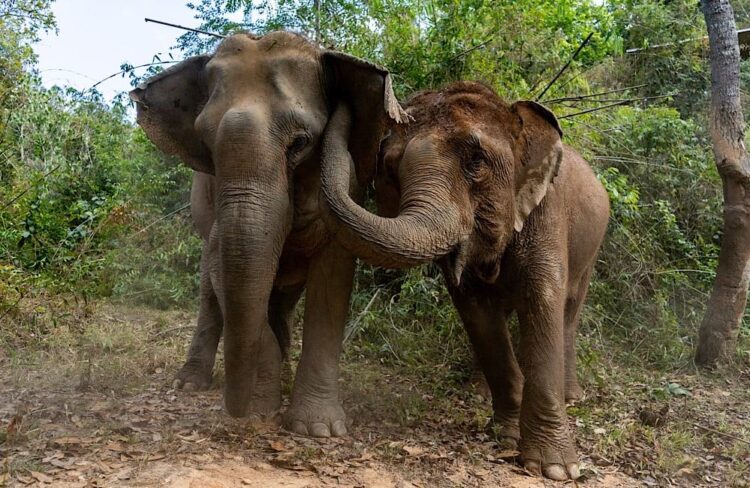
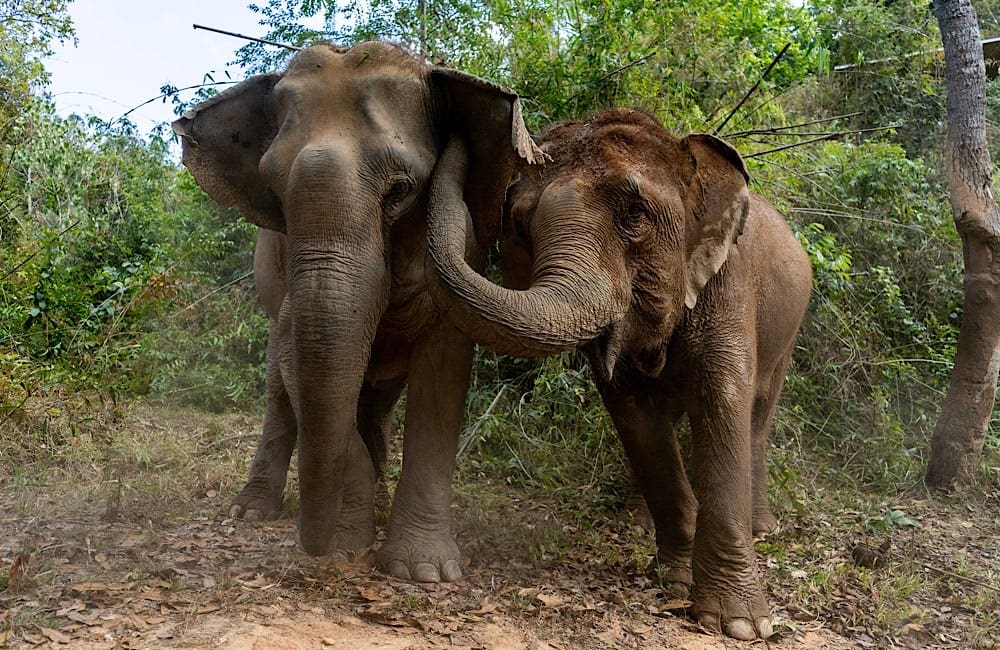
Two out of three elephants surveyed were living in poor welfare conditions.
Comprehensive Summarization:
The article discusses the ongoing elephant tourism industry in Thailand, as assessed by World Animal Protection after 15 years of monitoring. Despite changes in presentation, such as elephants appearing on signs, booking platforms, and itineraries, the underlying conditions for most elephants have remained largely unchanged. The report highlights that while the experiences offered to tourists may look different, the fundamental treatment and conditions of the elephants have not significantly improved. This shift, while reassuring to travelers, suggests a deeper issue within the industry that may not be as positive as it appears.
Key Points:
Actionable Takeaways:
Enhanced Regulation and Monitoring: There is a need for stricter regulations and continuous monitoring of elephant tourism venues to ensure that the welfare of elephants is prioritized over tourist appeal. This could involve regular inspections, mandatory welfare assessments, and penalties for non-compliance.
Promotion of Ethical Tourism Practices: Travel agencies and platforms should actively promote and prioritize ethical tourism practices. This includes educating tourists about the realities of elephant tourism and encouraging them to choose venues that genuinely prioritize animal welfare.
Investment in Alternative Experiences: There is an opportunity for the travel industry to invest in alternative experiences that do not involve elephants. This could include cultural tours, wildlife conservation projects, or other activities that offer tourists a meaningful connection with nature without compromising animal welfare.
Contextual Understanding:
The article reflects a broader trend within the travel industry towards more responsible and ethical tourism practices. As travelers become increasingly aware of animal welfare issues, there is a growing demand for experiences that align with their values. This shift is supported by recent thought leadership in sustainable and ethical tourism, which emphasizes the importance of minimizing harm to wildlife and promoting conservation efforts. The findings from World Animal Protection’s report underscore the necessity for the travel industry to adapt to these changing expectations and to move beyond superficial changes in presentation to address the underlying issues affecting elephant welfare.
Handling Different Article Types:
The article provided is a news brief, offering factual information about the state of elephant tourism in Thailand. The analysis and insights generated are tailored to this format, focusing on summarizing the key findings, extracting important points, and providing actionable recommendations based on the article’s content. If the article were an opinion piece or feature, the approach would involve analyzing the author’s perspective, evaluating the implications of their arguments, and suggesting potential industry-wide impacts or innovations. However, given the factual nature of the article, the focus remains on presenting clear, evidence-based insights and recommendations.
Read the Complete Article.
Get curated travel AI insights — choose the newsletters that matter to you.
This spot is reserved for brands with a compelling story for the travel trade. They use this space to cut...
Read moreDetailsTravel One Technologies launches the world’s first Traveler DNA Platform, targeting the structural data gap at the core of an...
Read moreDetails