











No products in the cart.
- Latest
- Trending

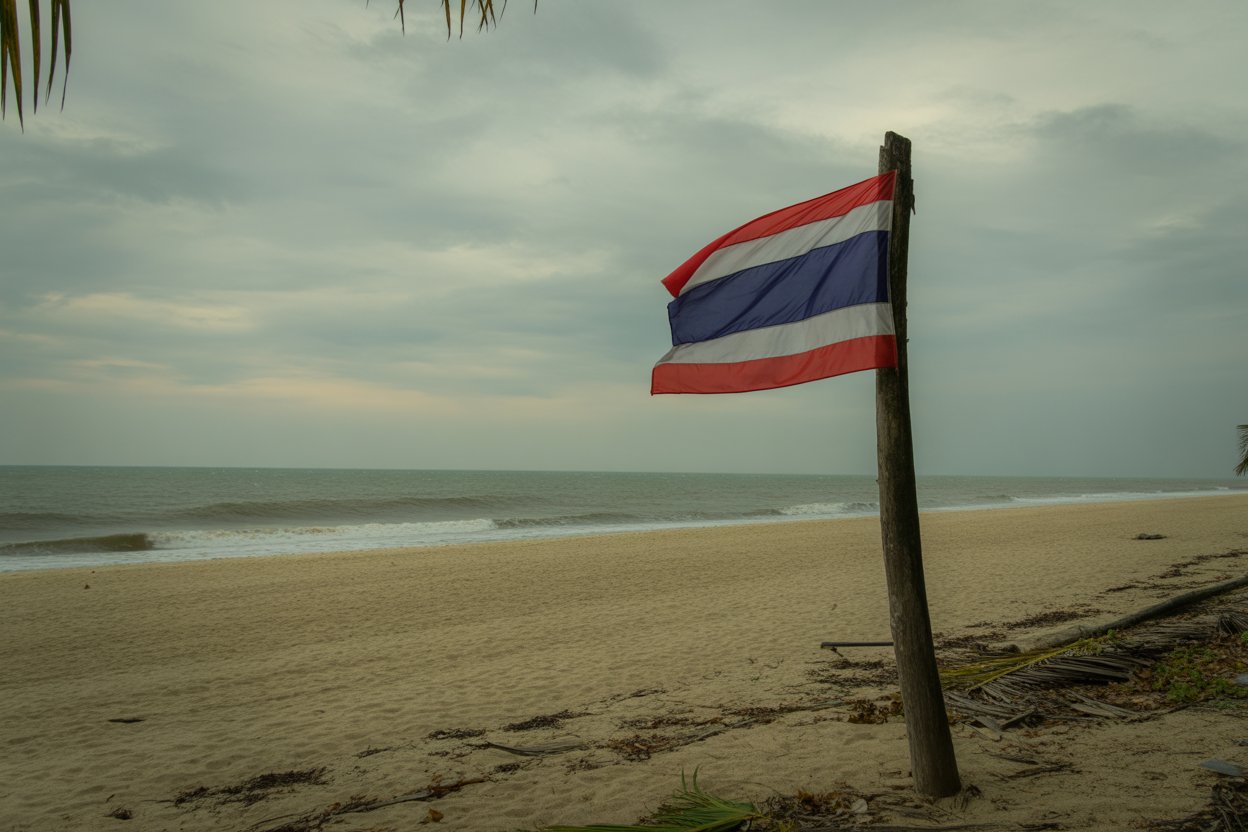
Thailand Faces Catastrophic Cargo Ship Oil Spill Disrupting Phuket Tourism, Beaches, and Vacation Pl...
Comprehensive Summarization:
The article reports a significant incident involving a cargo ship, the Panama-flagged Sealloyd Arc, which sank on February 7 while en route to Chattogram, Bangladesh. The vessel spilled approximately 1,700 liters of oil into the Indian Ocean, leading to immediate action from the Department of Marine and Coastal Resources (DMCR) and other official agencies to protect Thailand’s delicate ecosystems and popular travel destinations. This oil spill is already affecting some of Thailand’s most visited islands, posing a serious threat to the country’s tourism industry, particularly Phuket. The incident highlights the vulnerability of Thailand’s tourism sector to maritime disasters and underscores the need for robust environmental protection measures in the region.
Key Points:
Actionable Takeaways:
Enhanced Maritime Safety Measures: Given the spill’s impact on Thailand’s tourism, there is a pressing need for enhanced maritime safety measures, including stricter regulations and monitoring of cargo ships to prevent similar incidents. This could involve investing in advanced tracking technologies and improving emergency response protocols.
Environmental Protection Initiatives: The spill highlights the importance of robust environmental protection measures in the tourism sector. Thailand could benefit from implementing stricter regulations on oil discharge and investing in cleaner technologies for cargo ships to minimize environmental risks.
Diversification of Tourism Destinations: To mitigate the impact of such incidents on tourism, Thailand might consider diversifying its tourism offerings by promoting less affected destinations. This strategy could help spread tourism revenue more evenly across the country and reduce dependency on high-risk areas like Phuket.
Contextual Understanding:
The article reflects the ongoing challenges faced by the travel industry, particularly in regions heavily reliant on tourism. The Sealloyd Arc incident is a stark reminder of the potential environmental and economic repercussions of maritime disasters on tourism-dependent economies. Recent trends indicate a growing emphasis on sustainability and safety in the travel sector, with stakeholders increasingly prioritizing eco-friendly practices and robust risk management strategies. Thought leaders in the travel industry are advocating for innovations in travel tech, such as AI-driven monitoring systems for maritime safety and blockchain-based solutions for transparent reporting of environmental incidents. These advancements could play a crucial role in preventing future spills and ensuring the long-term sustainability of tourism in vulnerable regions.
Handling Different Article Types:
The article in question is a news blurb, providing factual information about a recent maritime incident and its impact on Thailand’s tourism industry. The structured output format ensures that the summary, key points, actionable takeaways, and contextual insights are presented in a clear and professional manner, suitable for a professional audience.
Read the Complete Article.
Get curated travel AI insights — choose the newsletters that matter to you.
This spot is reserved for brands with a compelling story for the travel trade. They use this space to cut...
Read moreDetailsTravel One Technologies launches the world’s first Traveler DNA Platform, targeting the structural data gap at the core of an...
Read moreDetails