


No products in the cart.
- Latest
- Trending

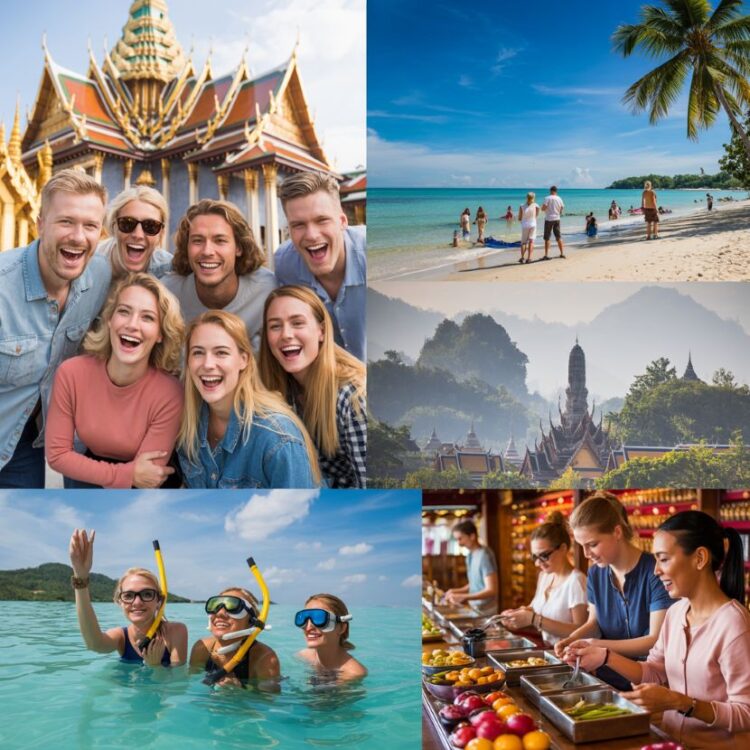
Thailand Reduces Visa-Free Stay to 30 Days for Nordic Travelers from Denmark, Sweden, Norway, Finlan...
Comprehensive Summarization:
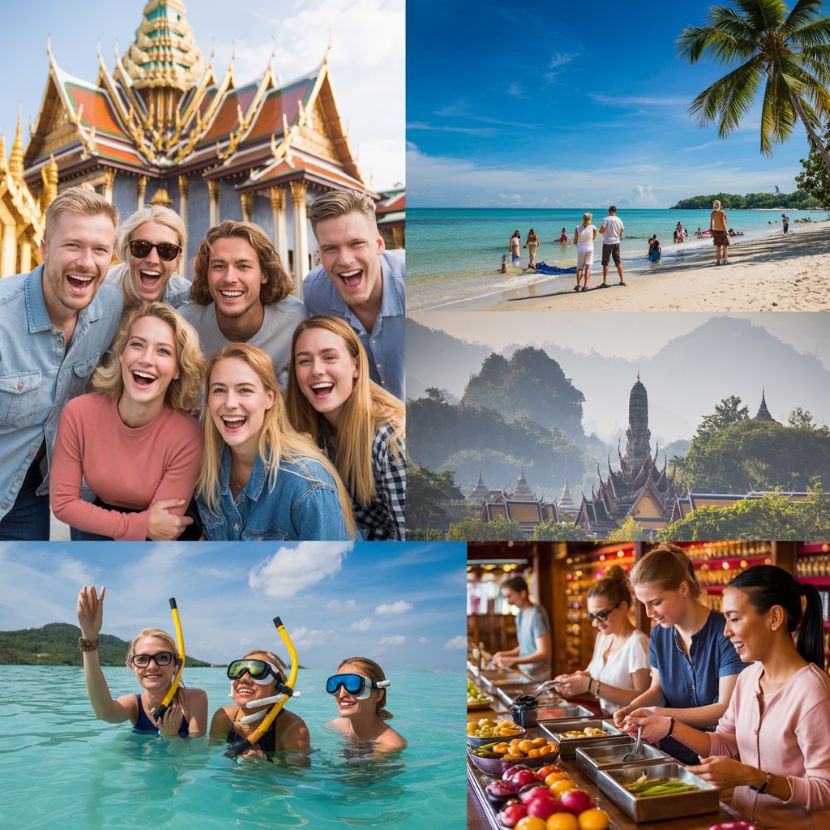
Thailand has announced a policy shift, reducing the visa-free stay for nationals of 93 countries, including those from the Nordic region (Denmark, Sweden, Norway, Finland, and Iceland), from 60 days to 30 days. This change is part of a broader effort by the Thai government to tighten border controls and prevent misuse of the visa scheme, which was introduced in 2024 to boost tourism amid pandemic-induced slowdown. The article, published on February 13, 2026, highlights this change as a significant development in Thailand’s tourism policy, potentially affecting travel plans for visitors to popular destinations like Bangkok, Phuket, and Chiang Mai.
Key Points:
Actionable Takeaways:
Contextual Insights:
The reduction in visa-free stay duration is a strategic move by Thailand to manage its tourism sector amid global travel uncertainties. This move aligns with broader industry trends towards tighter border controls and enhanced security measures. The context of the article also reflects the ongoing recovery of the travel industry post-pandemic, where governments are implementing measures to balance tourism growth with border security. The shift in visa policy underscores the importance of adaptability in travel planning and the need for stakeholders in the travel industry to stay informed about such policy changes to effectively support travelers and manage tourism flows.
Read the Complete Article.
Get curated travel AI insights — choose the newsletters that matter to you.
This spot is reserved for brands with a compelling story for the travel trade. They use this space to cut...
Read moreDetailsALTOUR Expands into Thailand, Strengthening Corporate Travel Network Across Southeast Asia BANGKOK, THAILAND (25 March, 2026) – ALTOUR, a leading...
Read moreDetails


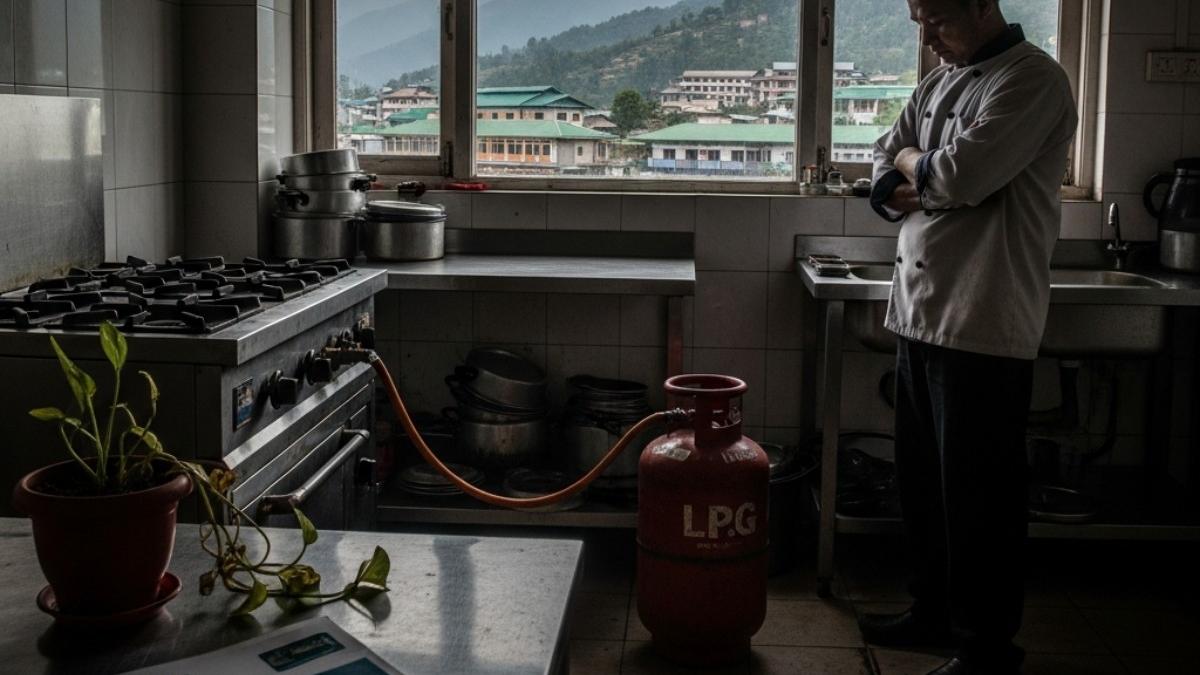
Comprehensive Summarization: The article highlights a significant issue in Meghalaya's tourism sector due to a shortage of commercial LPG, which...
Read moreDetails