Comprehensive Summarization:
The article titled “Thailand Tourism in Crisis: Middle East Conflict Threatens Holiday Dreams and Billions in Revenue” published on March 16, 2026, highlights the challenges faced by Thailand’s tourism industry due to geopolitical tensions in the Middle East. The escalating conflict between the United States, Israel, and Iran has led to significant disruptions in global travel networks. International carriers are redirecting flight paths, which has resulted in longer travel times and increased operational costs. These disruptions have raised concerns about a potential decline in traveler confidence and revenue, posing significant risks to Thailand’s tourism-dependent economy. The article underscores the vulnerability of the tourism sector to geopolitical events and the need for adaptive strategies to mitigate such risks.
Key Points:
- Thailand’s tourism recovery post-pandemic is facing unexpected obstacles due to geopolitical tensions in the Middle East.
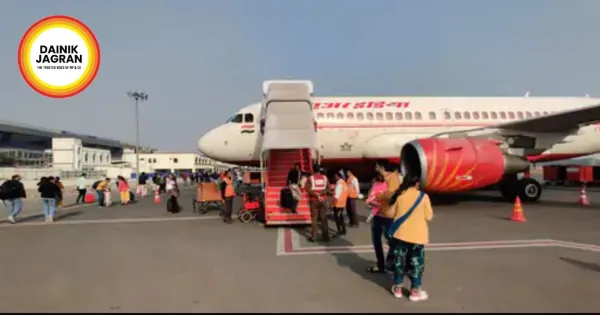
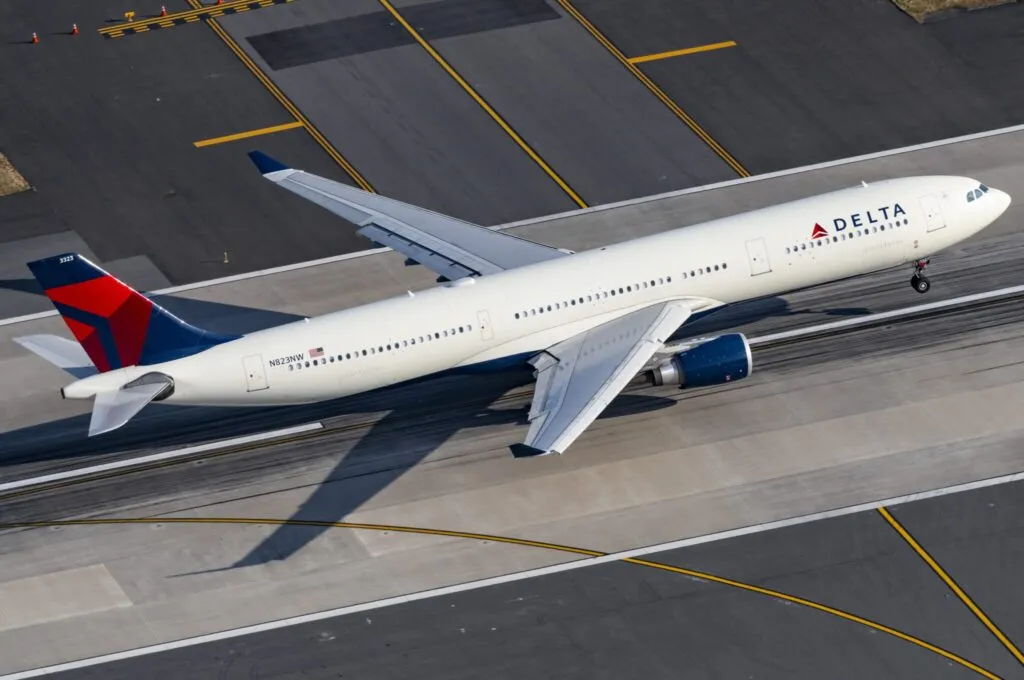
- The conflict between the United States, Israel, and Iran has led to flight path disruptions, causing longer journeys and higher operational costs for international carriers.
- These disruptions have raised concerns about a potential decline in traveler confidence and revenue, threatening the nation’s tourism-dependent economy.
- The article emphasizes the vulnerability of the tourism sector to geopolitical events and the need for adaptive strategies.
Actionable Takeaways:
-
Diversify Travel Routes: To mitigate the impact of geopolitical tensions, travel companies should explore diversifying travel routes and destinations. This strategy can help reduce dependency on specific regions and minimize the risk of disruptions caused by conflicts. By offering alternative routes and destinations, companies can maintain traveler confidence and ensure a more stable revenue stream.
-
Invest in Digital Travel Solutions: The article highlights the importance of adapting to geopolitical risks through digital innovation. Investing in digital travel solutions, such as advanced booking systems, real-time itinerary adjustments, and seamless communication tools, can enhance traveler experience and operational resilience. These technologies can help companies quickly respond to disruptions, provide accurate information to travelers, and maintain operational efficiency during turbulent times.
-
Strengthen Partnerships with Local Authorities: Collaborating closely with local authorities and embassies can provide valuable insights into emerging geopolitical risks and facilitate proactive risk management. By maintaining strong relationships with local stakeholders, travel companies can gain early warnings of potential disruptions and implement contingency plans to safeguard their operations and traveler safety.
Contextual Understanding:
The article is set against the backdrop of Thailand’s post-pandemic tourism recovery, which is now facing unforeseen challenges due to geopolitical tensions in the Middle East. The conflict between major global powers has led to significant disruptions in international travel, affecting flight paths, increasing operational costs, and eroding traveler confidence. These developments underscore the interconnectedness of global travel networks and the vulnerability of tourism-dependent economies to geopolitical events. The article also touches on broader travel trends, such as the increasing importance of digital solutions in managing travel disruptions and the need for adaptive strategies to maintain resilience in the face of uncertainty.
In the current travel industry landscape, the article reflects the growing emphasis on risk management and digital innovation. Travel companies are increasingly recognizing the need to invest in technologies that can enhance operational efficiency and traveler experience, particularly in the face of unpredictable global events. The insights provided in the article align with current industry trends, emphasizing the importance of adaptability, diversification, and technological advancement in sustaining growth and resilience in the tourism sector.
Read the Complete Article.