Comprehensive Summarization:
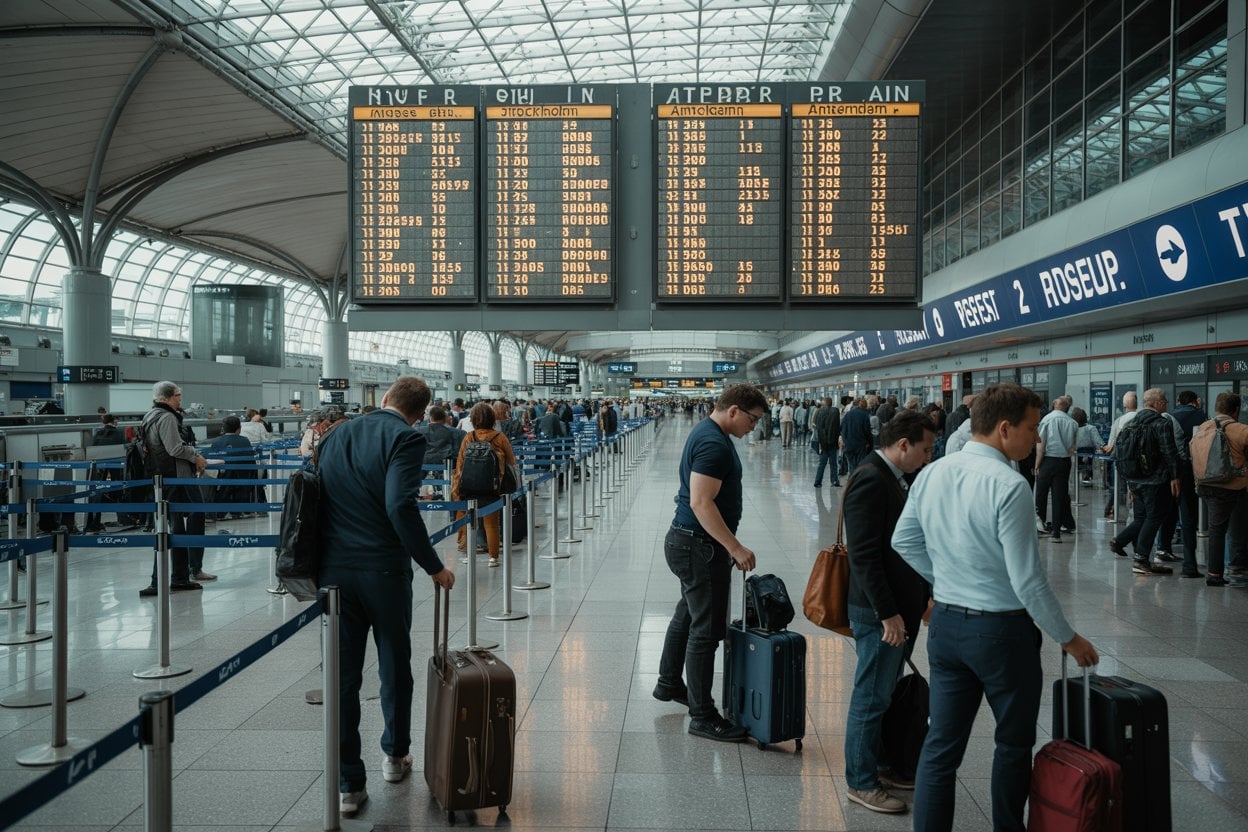
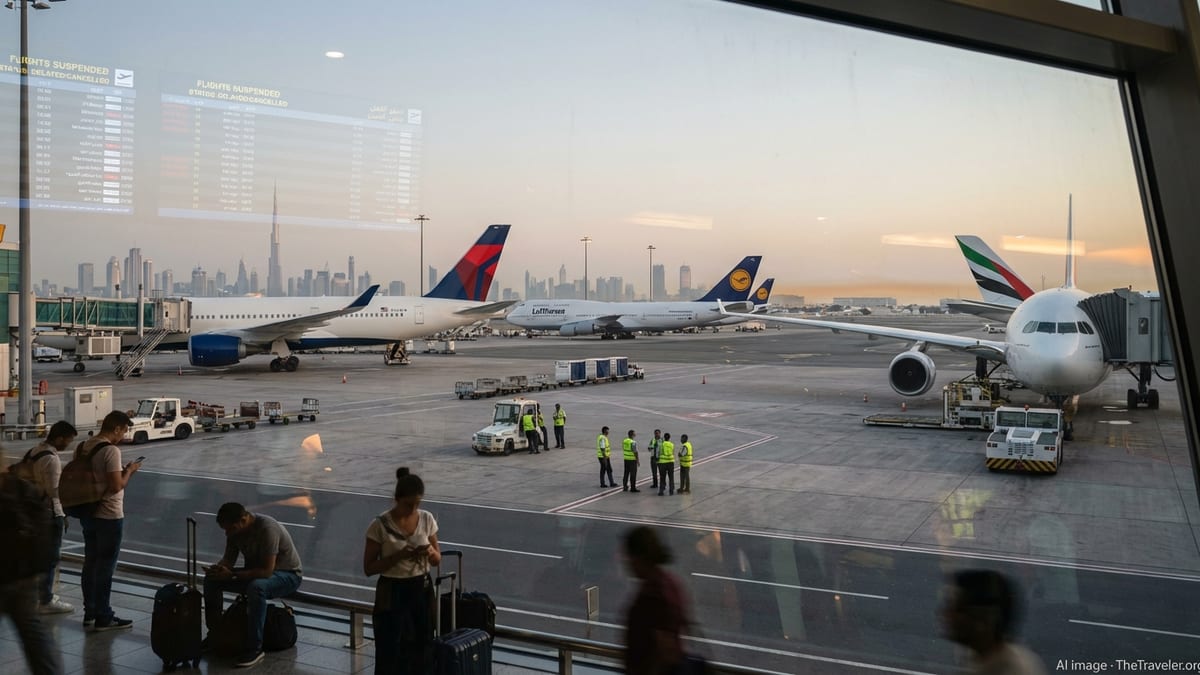
The article highlights the severe tourism setbacks faced by Vietnam, joining a list of countries including the Philippines, Malaysia, Thailand, Indonesia, Singapore, Cambodia, and others, as they grapple with the repercussions of the Middle East conflict. The disruption is primarily due to aviation disruptions and rising fuel costs, which are causing airlines to reroute flights and leading to a surge in airfares. This situation is adversely affecting tourism-dependent economies across Southeast Asia, marking the region as the latest victim of the geopolitical tensions in the Middle East. The article underscores the ripple effect of instability in Gulf aviation hubs on the broader travel sector in the region.
Key Points:
- Vietnam, along with several other Southeast Asian countries, is experiencing severe tourism setbacks due to the Middle East conflict.
- The disruption is caused by aviation disruptions and rising fuel costs, leading to rerouted flights and increased airfares.
- The tourism-dependent economies in Southeast Asia are facing significant challenges as a result of the geopolitical tensions in the Middle East.
- The article emphasizes the ripple effect of instability in Gulf aviation hubs on the travel sector in the region.
Actionable Takeaways:
-
Diversify Travel Routes: Airlines and travel agencies should explore diversifying travel routes and destinations to mitigate the impact of geopolitical tensions on tourism. This could involve promoting alternative destinations that are less affected by the conflict, thereby helping to stabilize tourism in the region.
-
Invest in Fuel Efficiency: Given the rising fuel costs, there is an opportunity for airlines to invest in more fuel-efficient aircraft and sustainable aviation practices. This not only addresses the immediate cost issue but also aligns with global efforts to reduce carbon emissions in the aviation sector.
-
Enhance Digital Travel Solutions: The travel industry should leverage digital technologies to offer seamless and flexible travel solutions. This includes implementing robust online booking systems, virtual tour experiences, and real-time travel advisories to help travelers make informed decisions amidst the uncertainties caused by geopolitical events.
Contextual Insights:
The article reflects the current state of the travel industry, which is increasingly vulnerable to geopolitical tensions and their cascading effects on global travel. The focus on aviation disruptions and fuel costs underscores the interconnected nature of the travel sector with broader economic and geopolitical factors. The emphasis on diversifying travel routes and enhancing digital solutions aligns with current industry trends towards resilience and innovation. As thought leaders continue to emphasize the importance of adaptability and technological advancement in navigating uncertainties, the insights from this article provide a practical roadmap for stakeholders in the travel industry to mitigate risks and capitalize on emerging opportunities.
Read the Complete Article.