





















Travel Capitalist Ventures Expands Check Size to $10 Million to Deepen Emerging Market Conviction
Boutique Travel VC raises investment cap from $1.5M to $10M to lead rounds and support portfolio companies through growth Travel...
Read moreDetails

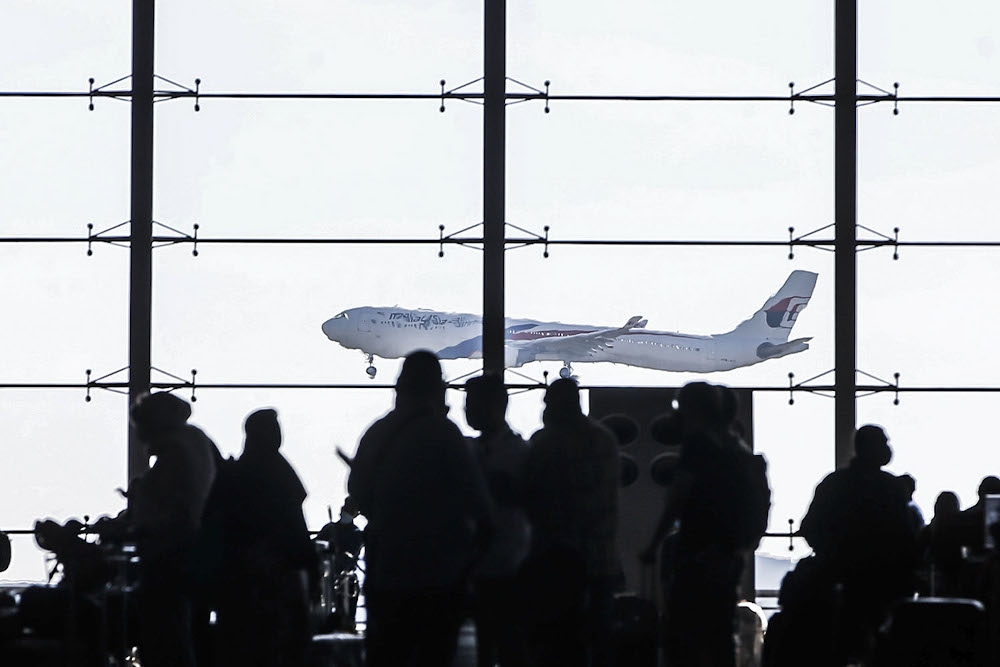
Vietnam’s Tourism Boom: Chinese Visitors Drive Record-Breaking Recovery
Article Summary:
Vietnam has emerged as a regional leader in Asia’s post-pandemic tourism recovery, with international visitor arrivals nearly returning to pre-COVID-19 levels in 2024. This surge is primarily driven by the dramatic return of Chinese tourists, positioning Vietnam as Southeast Asia’s new tourism powerhouse. The article highlights that Vietnam is on track to welcome over 22 million international visitors this year, marking a historic rebound for its tourism sector. In contrast, Thailand’s tourism sector is now engaged in an escalating "Tourism War" amidst these developments.
Key Points:
Actionable Takeaways:
Investment in Chinese Market Strategies: Travel companies and destinations should prioritize strategies to attract Chinese tourists, leveraging their significant role in Vietnam’s tourism recovery. This includes enhancing marketing efforts, improving services, and creating tailored experiences that resonate with Chinese travelers.
Competitive Analysis and Differentiation: Travel businesses, especially in Thailand, should conduct a thorough competitive analysis to understand the dynamics of the "Tourism War." Identifying unique selling propositions (USPs) and differentiating offerings can help carve out a niche and attract tourists away from Vietnam’s growing appeal.
Contextual Insights:
The article reflects the current state of the travel industry post-pandemic, where recovery rates vary significantly across regions. Vietnam’s success story highlights the impact of strategic policy decisions and the return of key tourist demographics, such as Chinese travelers. This context is crucial for understanding the broader implications for the travel sector, particularly in Southeast Asia. The emergence of a "Tourism War" in Thailand indicates a competitive environment where differentiation and innovation are paramount. For travel startups and fintech companies, this presents an opportunity to innovate in areas such as digital payment solutions, personalized travel experiences, and enhanced customer engagement tools. By aligning with these trends, businesses can capitalize on the evolving preferences of international travelers and contribute to the sustainable growth of the travel industry.
Read the Complete Article.
Boutique Travel VC raises investment cap from $1.5M to $10M to lead rounds and support portfolio companies through growth Travel...
Read moreDetails




