












Article Summary:
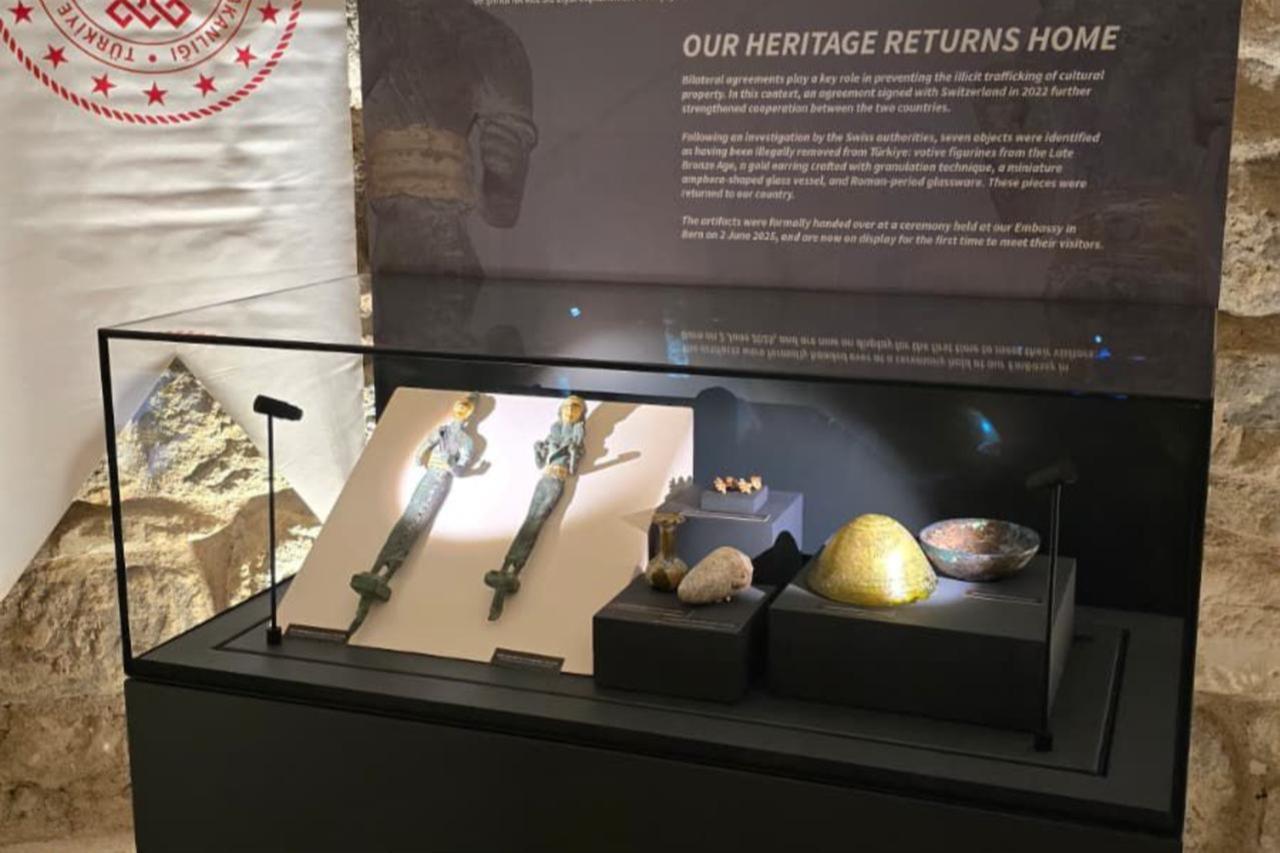
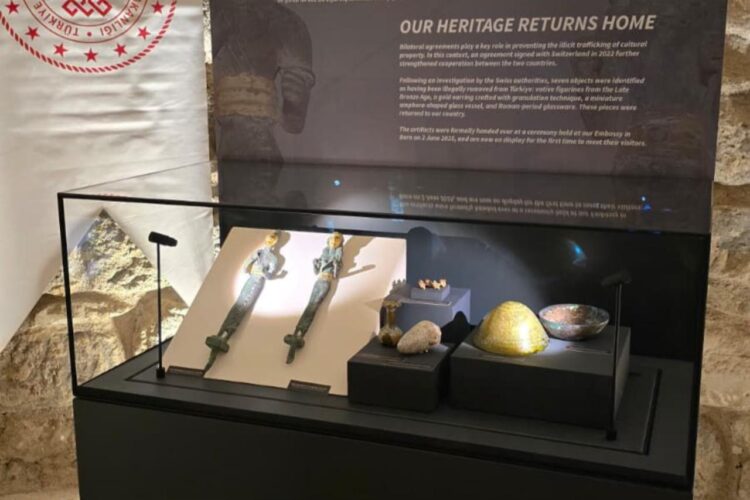
In 2025, Türkiye successfully recovered 180 cultural artifacts that had been illegally exported, bringing the total number of artifacts returned since 2002 to 13,448. This achievement was highlighted by Culture and Tourism Minister Mehmet Nuri Ersoy, underscoring Türkiye’s ongoing efforts to reclaim its cultural heritage through a combination of legal, scientific, and diplomatic strategies. The artifacts, returned from Switzerland, were displayed at Bodrum Castle, symbolizing the country’s commitment to preserving its rich cultural legacy.
Key Points:
- Türkiye recovered 180 illegally exported cultural artifacts in 2025, marking a significant milestone in its efforts to reclaim cultural heritage.
- The total number of artifacts returned to Türkiye since 2002 has reached 13,448, reflecting years of coordinated legal, scientific, and diplomatic work.
- The recovered artifacts were displayed at Bodrum Castle, Türkiye, symbolizing the country’s commitment to preserving its cultural legacy.
Actionable Takeaways:
- Enhanced Cultural Heritage Protection: The successful recovery of 180 artifacts highlights the importance of continued investment in legal frameworks, scientific research, and diplomatic efforts to protect cultural heritage. This underscores the need for travel and tourism companies to collaborate with cultural institutions to ensure the ethical sourcing and display of artifacts, thereby enhancing their brand reputation and market appeal.
- Strategic Cultural Tourism Development: The return of these artifacts to Türkiye presents an opportunity for the country to develop strategic cultural tourism initiatives. Travel agencies and tourism boards can leverage this success to promote Türkiye as a destination for cultural heritage tourism, offering unique experiences that attract visitors interested in history and archaeology. This could lead to increased tourism revenue and a boost in the cultural sector’s contribution to the economy.
Contextual Insights:
The recovery of these artifacts is a testament to Türkiye’s sustained campaign to reclaim its cultural heritage, a theme that resonates with broader global trends in cultural preservation and heritage tourism. In recent years, there has been a growing emphasis on the importance of cultural heritage in the travel industry, with travelers increasingly seeking authentic and meaningful experiences that connect them with the history and traditions of destinations. This aligns with the latest insights from thought leaders in the travel sector, who emphasize the role of cultural heritage in shaping travel experiences and driving sustainable tourism growth.
Moreover, the article reflects the ongoing technological advancements in cultural heritage preservation, such as the use of digital tools for documentation and authentication. As the travel industry continues to evolve, integrating such technologies can enhance the visitor experience and ensure the authenticity and integrity of cultural artifacts. For travel startups and fintech innovators, this presents an opportunity to develop solutions that support cultural heritage preservation, such as blockchain-based provenance tracking systems or virtual reality tours of archaeological sites. These innovations not only enrich the travel experience but also contribute to the economic and social value of cultural heritage sites.
Read the Complete Article.



