













Comprehensive Summarization:
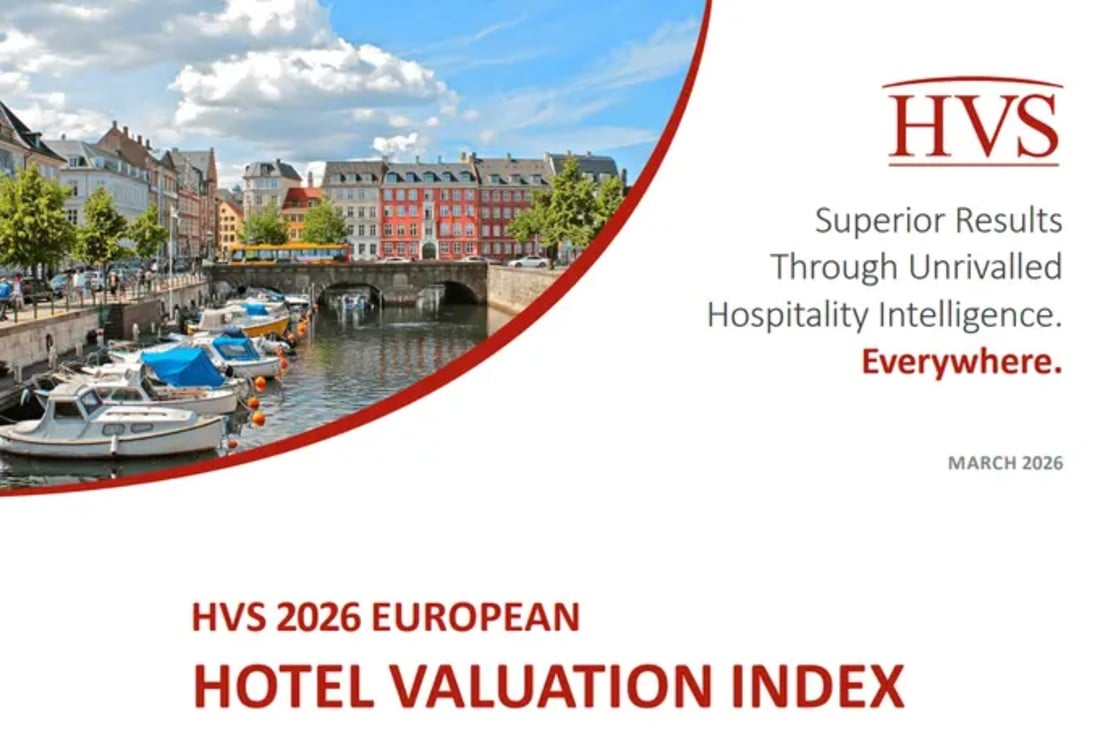
The article reports on the European Hotel Valuation Index (HVI) for 2025, indicating a modest growth in hotel values with an increase of only 0.2%. This modest growth occurred despite global economic instability, including ongoing conflicts, changes in leadership in the USA, and continuous inflation. While the overall hotel values in Europe showed limited movement, certain markets experienced larger increases due to varying demand and supply conditions. The article highlights Copenhagen, Athens, and Bucharest as leading markets, while Istanbul and Amsterdam face challenges in this context.
Key Points:
- The European Hotel Valuation Index (HVI) recorded a 0.2% increase in hotel values in 2025, marking the smallest growth since the pandemic.
- Despite global economic instability, including wars, leadership changes in the USA, and inflation, hotel values in Europe showed limited movement.
- Certain European markets, such as Copenhagen, Athens, and Bucharest, recorded larger increases in hotel values due to specific demand and supply conditions.
- Istanbul and Amsterdam faced challenges in the hotel market during 2025.
Actionable Takeaways:
-
Market Diversification: The article suggests that markets like Copenhagen, Athens, and Bucharest are performing better due to favorable demand and supply conditions. Travel companies and investors might consider diversifying their portfolios to include these markets to capitalize on their growth potential.
-
Risk Management in Economic Uncertainty: Given the global economic instability highlighted in the article, travel businesses should focus on risk management strategies. This could include hedging against currency fluctuations, diversifying revenue streams, and maintaining flexible pricing strategies to adapt to changing market conditions.
-
Focus on Emerging Markets: The challenges faced by Istanbul and Amsterdam indicate that some European markets are struggling. Travel industry stakeholders could explore emerging markets in Europe that are showing growth potential, thereby mitigating risks associated with less performing markets.
Contextual Insights:
The modest growth in hotel values in Europe, despite global economic challenges, underscores the resilience and adaptability of the European hotel industry. The varying performance of different markets, such as the leading positions of Copenhagen, Athens, and Bucharest, highlights the importance of localized market analysis. This insight is crucial for travel startups and fintech innovations, as it suggests opportunities in markets with strong demand-supply dynamics. Furthermore, the article’s emphasis on the HVI’s modest growth reflects a cautious optimism in the industry, urging stakeholders to remain vigilant and adaptable in their strategies. The context of ongoing global events, such as conflicts and leadership changes, further emphasizes the need for agile and informed decision-making in the travel sector.
Read the Complete Article.



