












Article Summary:
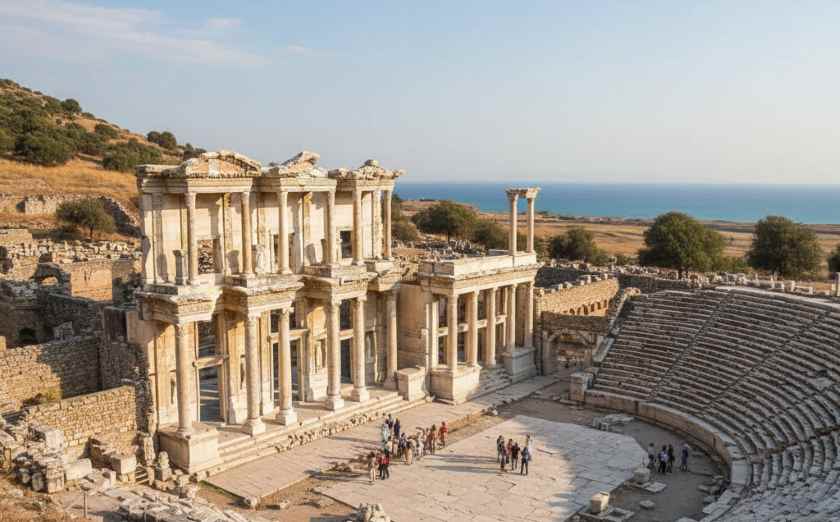
Archaeologists have uncovered two significant Roman-era artifacts at the ancient city of Ephesus, a UNESCO World Heritage Site in Turkey. These discoveries include a rare marble bathtub and a male statue, both found during this year’s excavation season. The findings enhance Ephesus’ appeal as a cultural destination and add to the growing list of remarkable historical discoveries at the site. Ephesus, known for its well-preserved ruins and historical significance, continues to attract a large number of visitors.
Key Points:
- Two significant Roman-era artifacts, a marble bathtub and a male statue, were discovered at Ephesus.
- The artifacts were found during this year’s excavation season at the UNESCO World Heritage Site.
- Ephesus, located in Aegean Turkey, is one of the most visited archaeological sites in the country.
- The discoveries add to the rich historical significance of Ephesus, enhancing its appeal as a cultural destination.
Actionable Takeaways:
- Cultural Tourism Boost: The discovery of these artifacts is likely to boost cultural tourism in Ephesus. The unique Roman-era artifacts can attract more visitors, thereby increasing revenue for local businesses and the economy. This aligns with the growing trend of heritage tourism, where historical and cultural sites are key attractions.
- Enhanced Marketing Opportunities: With new archaeological findings, Ephesus can leverage these stories in its marketing campaigns. Highlighting these discoveries can differentiate Ephesus from other tourist destinations, attracting history enthusiasts and cultural tourists. This reflects the trend of using historical narratives to enhance the appeal of travel destinations.
- Potential for Further Discoveries: The ongoing excavations at Ephesus suggest that there may be more significant finds in the future. This presents an opportunity for further investment in archaeological research and infrastructure development, which can lead to more job opportunities and technological advancements in the field of archaeology. This aligns with the ongoing trend of investing in heritage preservation and archaeological research.
Read the Complete Article.



