












Article Summary:
Card-based tourism spending in Türkiye reached approximately $30.7 billion in the first ten months of 2025, marking a 14.1% increase compared to the same period in 2024. This data, compiled by Tourism Databank from Interbank Card Center (BKM) reports, highlights a significant uptick in tourism-related spending facilitated through bank cards and credit cards. The increase underscores a robust recovery in the tourism sector post-pandemic, driven by increased consumer confidence and the widespread adoption of digital payment methods.
Key Points:
- Tourism spending in Türkiye increased to $30.7 billion in the first ten months of 2025, up 14.1% from $26.9 billion in the same period of 2024.
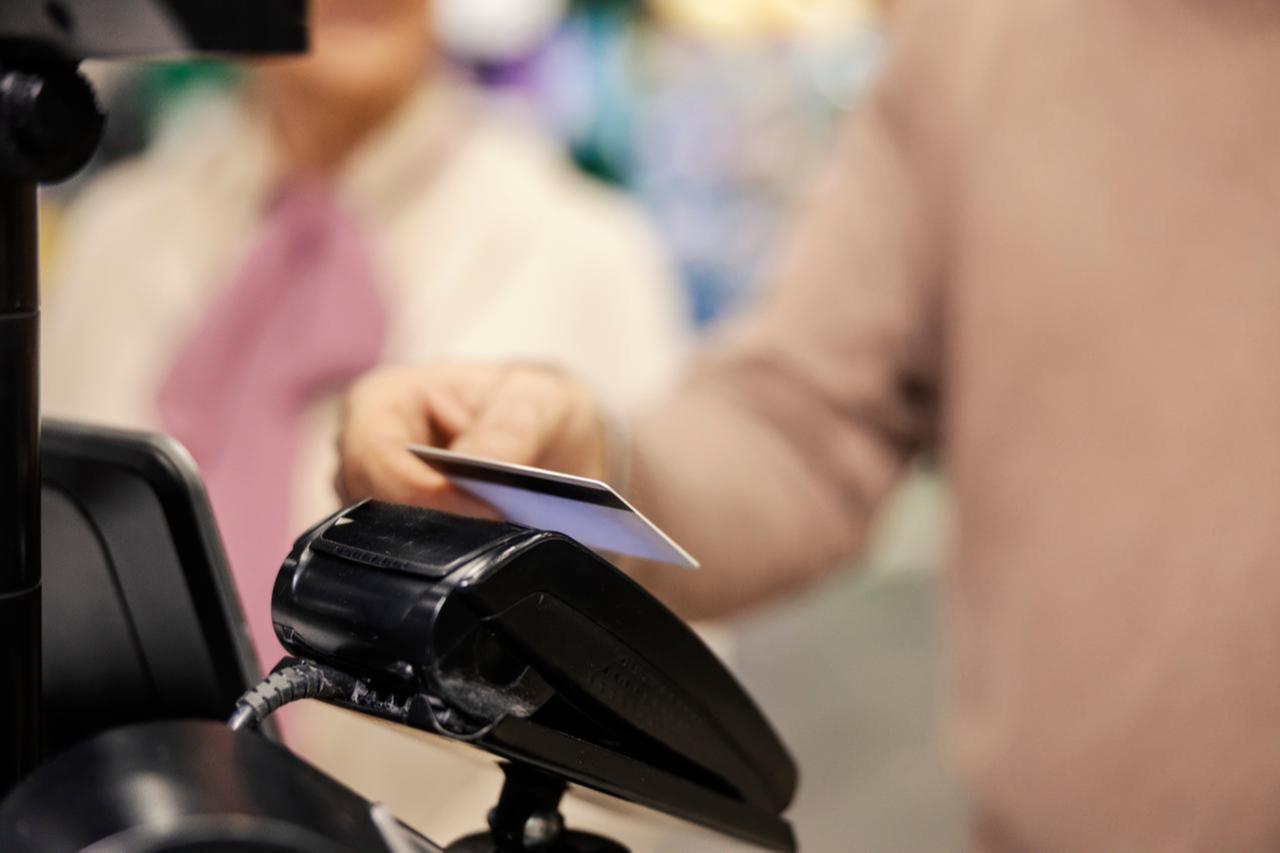
- The growth is attributed to the use of card-based payments, as reported by the Interbank Card Center (BKM), indicating a shift towards digital transactions in tourism.
- BKM, Türkiye’s central industry body, tracks and reports card payment data, specifically focusing on tourism-related spending via bank cards and credit cards.
Actionable Takeaways:
- Increased Digital Payment Adoption: The rise in card-based tourism spending suggests a growing trend towards digital payments in the travel industry. Travel businesses should invest in enhancing their digital payment infrastructure to cater to this shift, potentially improving customer satisfaction and operational efficiency.
- Market Recovery Indication: The 14.1% increase in tourism spending indicates a strong recovery in Türkiye’s tourism sector. This presents an opportunity for stakeholders to capitalize on the growing demand, possibly through targeted marketing strategies or expanded service offerings.
- Fintech Opportunities: The data highlights the potential for fintech innovations in the travel sector. Travel companies could explore partnerships with fintech firms to offer seamless, secure payment solutions, further driving adoption and enhancing the overall travel experience.
Contextual Insights:
The article reflects a broader trend in the travel industry towards digitalization and the adoption of contactless payment methods, accelerated by the post-pandemic recovery phase. As consumers become more comfortable with digital transactions, businesses in the travel sector must adapt by integrating advanced payment technologies. This shift not only aligns with consumer preferences but also positions companies to leverage fintech innovations for competitive advantage. Furthermore, the data underscores the importance of robust financial tracking systems, such as those provided by BKM, to monitor and capitalize on market trends effectively.
Read the Complete Article.



