Comprehensive Summarization:
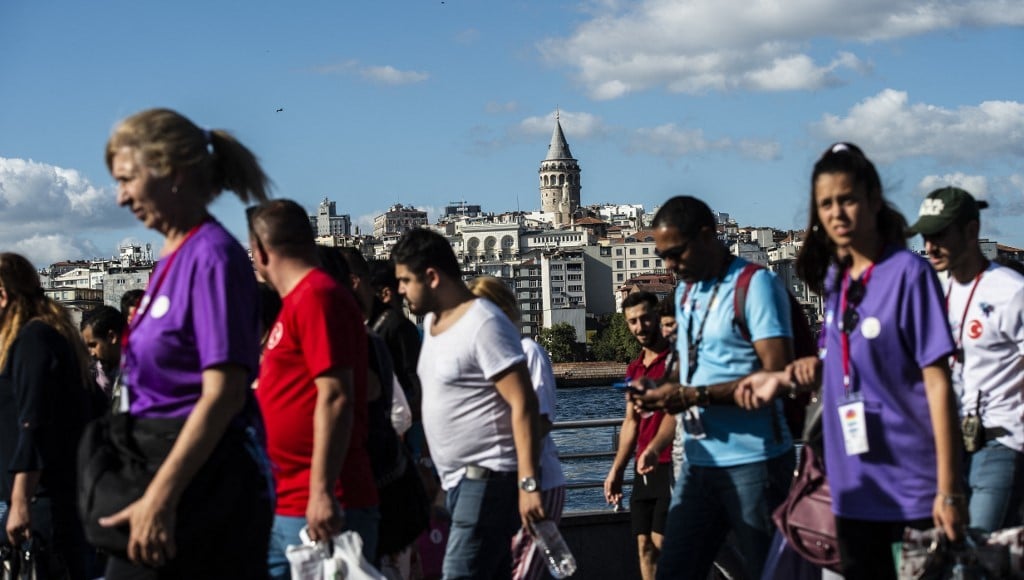
The article reports a decline in tourism bookings to Turkey due to the ongoing war in the Middle East, with industry representatives citing weaker foreign demand and rising costs ahead of the summer season. This situation was discussed at the fourth Tourism Congress organized by the Association of Turkish Travel Agencies (TÜRSAB), held from April 6–8 in Antalya. The conference covered various topics including MICE tourism, cultural exports, and regional tourism development. Reservations from Europe have dropped by approximately 20 to 25 percent, while demand from the Middle East remains uncertain. The article also touches on broader travel trends and insights from thought leaders, highlighting the impact of geopolitical events on tourism and the need for adaptive strategies in the industry.
Key Points:
- Tourism bookings to Turkey have declined by 20 to 25 percent from Europe due to the war in the Middle East.
- The decline is attributed to weaker foreign demand and rising costs.
- The issue was discussed at the fourth Tourism Congress organized by TÜRSAB in Antalya.
- The conference covered MICE tourism, cultural exports, and regional tourism development.
- Demand from the Middle East remains uncertain.
Actionable Takeaways:
-
Adaptation Strategies for European Markets: Given the significant drop in European bookings, travel agencies and service providers should consider implementing targeted marketing strategies to attract European tourists. This could include highlighting Turkey’s cultural and regional attractions, offering competitive pricing, and leveraging digital marketing to reach a wider audience. The relevance of this takeaway lies in its potential to mitigate the impact of reduced European demand and stabilize tourism revenues.
-
Focus on MICE Tourism: The conference’s emphasis on MICE (Meetings, Incentives, Conferences, and Exhibitions) tourism suggests a growing opportunity in this sector. Travel agencies should invest in enhancing their MICE offerings, ensuring they provide top-notch facilities and services tailored to corporate clients. This focus aligns with current industry trends, where corporate travel remains resilient even during geopolitical uncertainties, potentially driving growth in this niche market.
-
Monitoring Middle East Demand: With demand from the Middle East remaining uncertain, travel businesses should closely monitor this market segment. Developing targeted campaigns and partnerships with Middle Eastern travel agencies could help mitigate risks associated with regional instability. Understanding the nuances of this market is crucial for adapting strategies and ensuring long-term sustainability.
Contextual Insights:
The decline in tourism bookings to Turkey reflects the broader impact of geopolitical tensions on the travel industry. The ongoing war in the Middle East has led to a decrease in foreign demand, particularly from Europe, where reservations have dropped by 20 to 25 percent. This context underscores the vulnerability of the tourism sector to external shocks and the importance of diversifying markets to reduce dependency on any single region. The conference’s focus on MICE tourism highlights a strategic shift towards catering to corporate clients, a trend that is likely to continue as businesses prioritize safety and stability in their travel plans. Furthermore, the article’s mention of cultural exports and regional tourism development signals a broader industry trend towards promoting unique cultural experiences, which can serve as a differentiator in a competitive market. By integrating these insights, the travel industry can better navigate the challenges posed by geopolitical events and capitalize on emerging opportunities.
Read the Complete Article.