Uzbekistan increases travel to Türkiye by 17.7% in 2026
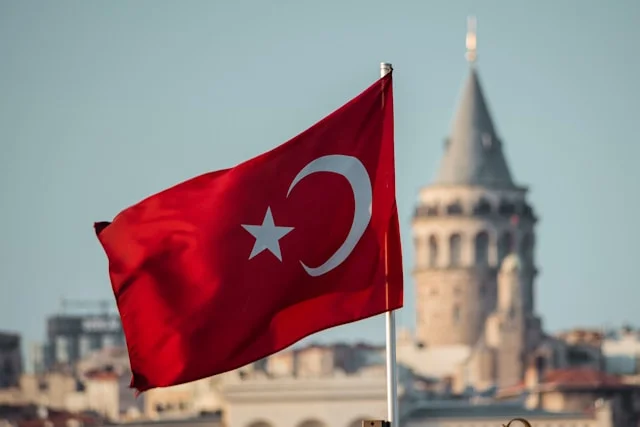
THE NEWS: Uzbekistan's National Statistics Committee reported that 166,893 Uzbek citizens visited Türkiye between January and July 2026, a rise of...
Read moreDetailsEvery alert that matters — when it happens.
Türkiye steps up crackdown on unauthorized currency exchange in tourist areas
Comprehensive Summarization:
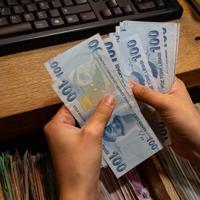
The article reports on intensified inspections by Turkish authorities targeting unauthorized foreign currency exchange operations, particularly in tourist areas. Since 2018, hundreds of businesses have been shut down for operating without the necessary licenses. Under Turkish law, only banks, the national postal service (PTT), and officially licensed exchange offices are permitted to buy and sell foreign currency. Violations can result in either temporary or permanent closure of business premises or referrals to public prosecutors for administrative fines. The article clarifies that jewelers and representatives of payment institutions do not have the authority to engage in foreign currency exchange. This crackdown reflects ongoing regulatory efforts to control unauthorized currency exchange activities in Turkey’s tourism sector.
Key Points:
Actionable Takeaways:
Regulatory Compliance for Travel Businesses: Travel businesses and exchange services operating in Turkey must ensure they are licensed and compliant with Turkish regulations to avoid penalties such as closure or fines. This is crucial for maintaining legal operations and avoiding disruptions in service provision.
Impact on Tourism Sector: The crackdown on unauthorized currency exchange operations may affect the tourism sector by potentially increasing costs for tourists who rely on unofficial exchange services. This could lead to a shift towards more regulated and official exchange channels, benefiting banks and PTT in the long run.
Contextual Insights:
The intensified regulatory measures reflect broader trends in Turkey’s approach to controlling financial activities within the tourism sector. As travel remains a significant contributor to Turkey’s economy, authorities are likely focusing on protecting both consumers and the integrity of the financial system. This context aligns with the growing emphasis on regulatory compliance across industries, particularly in sectors where financial transactions are frequent and sensitive, such as tourism and fintech. For travel startups and fintech companies, this underscores the importance of adhering to regulatory frameworks to ensure sustainable growth and avoid legal repercussions. The article also highlights the ongoing evolution of travel tech, as businesses adapt to regulatory changes and seek innovative solutions to remain compliant while serving customers effectively.
Read the Complete Article.
THE NEWS: Uzbekistan's National Statistics Committee reported that 166,893 Uzbek citizens visited Türkiye between January and July 2026, a rise of...
Read moreDetails

Experience the magic of the Nile aboard Kenzy Dahabeya, a luxury boutique sailing cruise that offers an unforgettable journey between...
Read moreDetails