










Sail Through Time: Discover the Timeless Wonders of Upper Egypt Aboard Kenzy Dahabeya
Experience the magic of the Nile aboard Kenzy Dahabeya, a luxury boutique sailing cruise that offers an unforgettable journey between...
Read moreDetails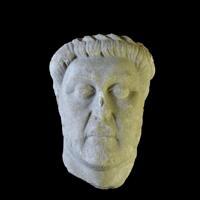
US returns Smyrna-origin marble head to Türkiye
Comprehensive Summarization:
The article reports that a marble head from the ancient city of Smyrna has been returned from the United States to Türkiye, as announced by Culture and Tourism Minister Mehmet Nuri Ersoy on April 15. This return is part of ongoing efforts to repatriate cultural artifacts. The artifact, confirmed through scientific research to be from Smyrna, is now on display at the İzmir Archaeology Museum. Ersoy described the return as “another piece of good news,” emphasizing the artifact’s origins in ancient Smyrna, which were confirmed through academic studies. The piece had previously been part of the collection of the Denver Art Museum in Colorado.
Key Points:
Actionable Takeaways:
Cultural Heritage Preservation: The return of the marble head highlights the importance of cultural heritage preservation and international cooperation in repatriating artifacts. This underscores the need for continued efforts and policies that support the return of cultural items to their countries of origin, which can enhance national pride and foster international goodwill.
Role of Scientific Research in Heritage: The confirmation of the artifact’s origins through scientific research and academic studies demonstrates the critical role of scientific methods in heritage preservation. This can inspire further investment in research technologies and methodologies to authenticate and protect cultural artifacts, potentially leading to new innovations in heritage conservation technologies.
Contextual Insights:
The return of the marble head from Smyrna to Türkiye reflects broader trends in cultural heritage preservation and international cooperation. In recent years, there has been a growing movement to repatriate cultural artifacts to their countries of origin, driven by a greater awareness of the importance of cultural identity and historical accuracy. This trend is supported by advancements in scientific research and technology, which enable more accurate dating and provenance verification of artifacts. The article also aligns with the increasing emphasis on digital documentation and virtual exhibitions in the cultural heritage sector, which can enhance accessibility and preservation efforts. As the travel industry continues to evolve, integrating cultural heritage preservation into travel experiences can offer unique value propositions, such as guided tours to repatriated artifacts or virtual tours of repatriated sites, thereby enriching the travel experience for tourists and contributing to the sustainable development of cultural tourism.
Read the Complete Article.
Experience the magic of the Nile aboard Kenzy Dahabeya, a luxury boutique sailing cruise that offers an unforgettable journey between...
Read moreDetails



