




![Panoramic View of Gimpo International Airport. [Korea Airports Corporation]](https://images.traveltrade.today/wp-content/uploads/2026/03/Jeju-Air-Announces-May-Launch-of-Jeju–Incheon-Route.jpg)




No products in the cart.
- Latest
- Trending

Travel Tourism Russia: Uzbekistan's Outbound Surge Reshapes Central Asia in 2026
Comprehensive Summarization:
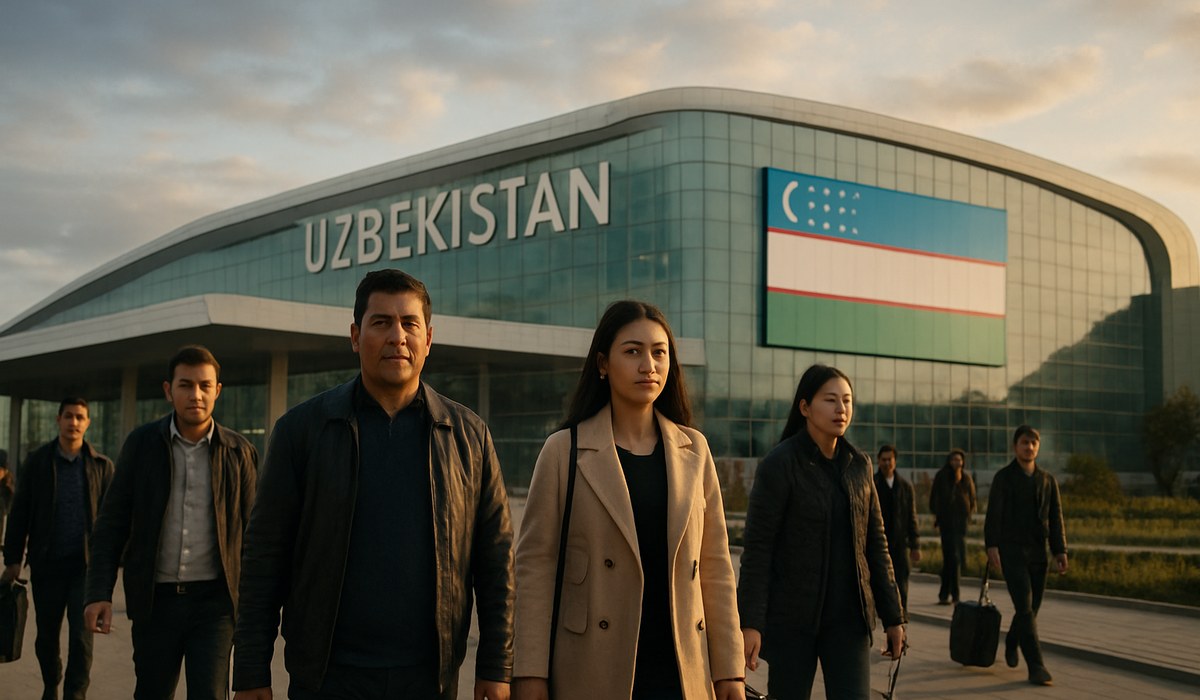
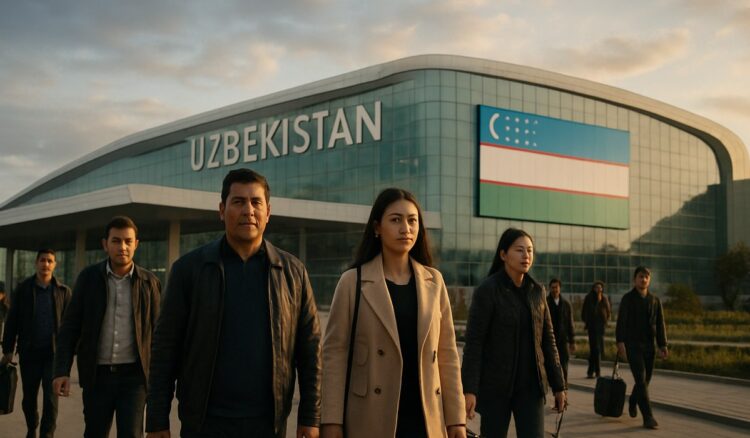
Uzbekistan is experiencing a significant surge in outbound tourism, with a 4.8% increase in early 2026. This growth marks a notable shift in regional travel patterns, as Uzbek citizens increasingly explore destinations beyond their traditional domestic attractions, including Russia, the Middle East, and Southeast Asia. The expansion highlights Uzbekistan’s evolving role as a critical source market for regional travel, presenting new opportunities for tourism boards and hospitality operators across the region. The surge is attributed to rising disposable incomes and improved visa accessibility, signaling a broader economic transformation in Central Asia.
Key Points:
Actionable Takeaways:
Investment in Tourism Infrastructure: Given the 4.8% surge in outbound tourism, there is a clear opportunity for investment in tourism infrastructure and services in Uzbekistan. This could include developing new travel routes, enhancing hospitality services, and improving visa processes to attract more international visitors.
Leveraging Economic Growth: The surge in outbound tourism is indicative of a broader economic transformation in Uzbekistan. Businesses in the travel sector, including tourism boards and hospitality operators, should capitalize on this growth by expanding their offerings and marketing strategies to cater to the increasing demand from Uzbek citizens and neighboring countries.
Fostering Regional Connectivity: The shift in travel patterns suggests a growing interest in regional travel among Uzbek citizens. Travel agencies and operators can foster regional connectivity by promoting travel packages that include destinations within Central Asia, such as Russia, the Middle East, and Southeast Asia. This could involve partnerships with local tour operators and travel agencies to create comprehensive travel itineraries.
Contextual Insights:
The surge in Uzbekistan’s outbound tourism is a reflection of broader economic and social trends in Central Asia. Rising disposable incomes and improved visa accessibility are key drivers of this growth, indicating a positive economic transformation in the region. This trend aligns with the increasing global interest in regional travel, as travelers seek diverse and culturally rich destinations beyond their immediate surroundings. For the travel industry, this presents a significant opportunity to expand services and offerings to cater to this growing market. Furthermore, the focus on regional travel highlights the importance of fostering connectivity and collaboration among neighboring countries to enhance the travel experience for tourists. As the travel industry continues to evolve, staying attuned to such trends and leveraging them strategically will be crucial for sustained growth and success.
Read the Complete Article.
Get curated travel AI insights — choose the newsletters that matter to you.
This spot is reserved for brands with a compelling story for the travel trade. They use this space to cut...
Read moreDetailsTravel One Technologies launches the world’s first Traveler DNA Platform, targeting the structural data gap at the core of an...
Read moreDetails