







No products in the cart.
- Latest
- Trending

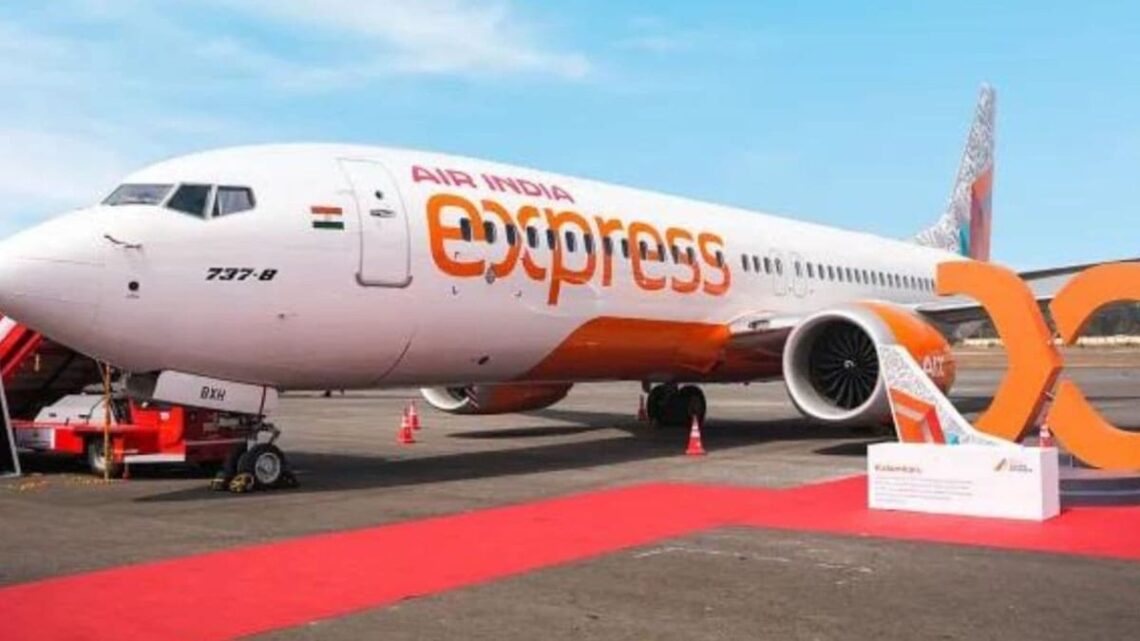
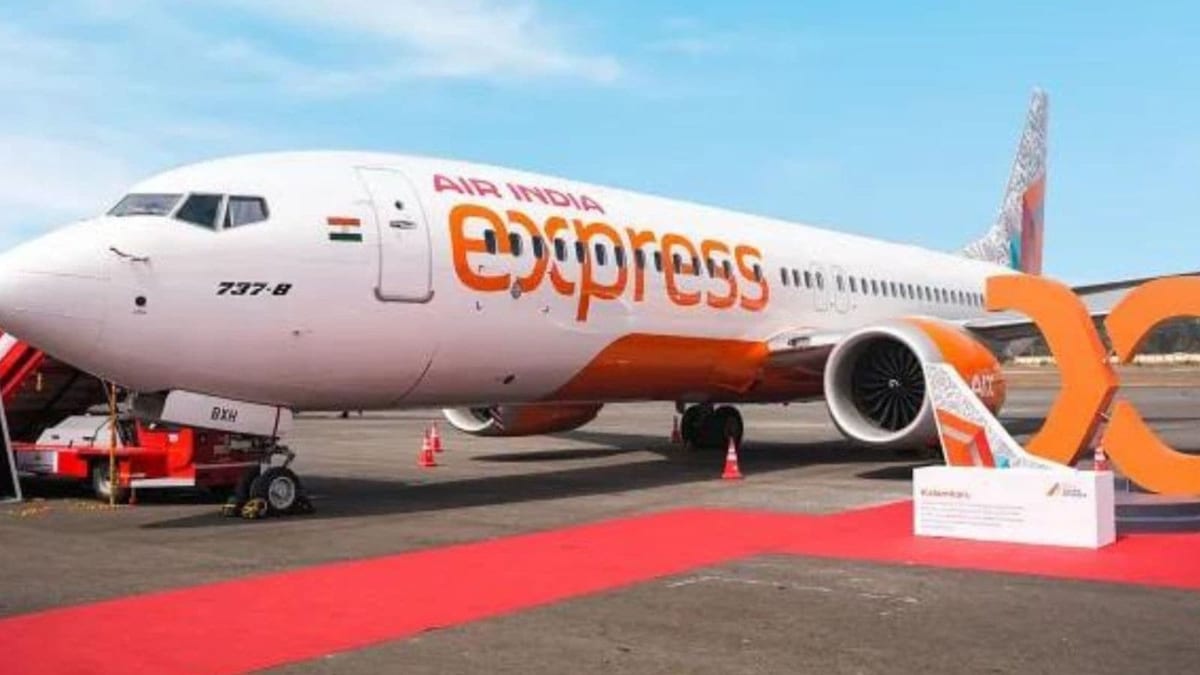
Air India, IndiGo issue new alerts for UAE, Qatar flyers
Comprehensive Summarization:
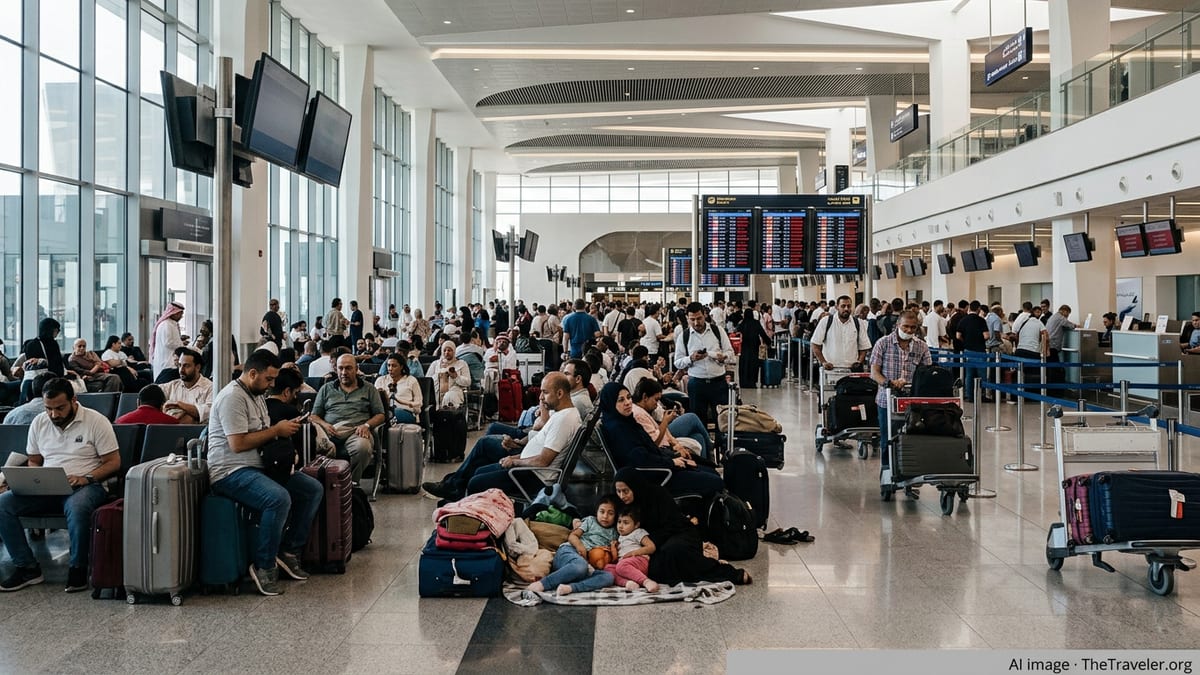
The article reports that Indian airlines, specifically Air India and IndiGo, are tightening travel advisories for routes linking India with the United Arab Emirates (UAE) and Qatar due to the ongoing Iran conflict, which has entered its 36th day as of April 4. These airlines are warning of potential disruptions, higher fares, and possible last-minute changes on these routes. The context highlights the significant impact of geopolitical tensions on the travel industry, particularly in the Gulf region, and the proactive measures taken by major airlines to manage these challenges.
Key Points:
Actionable Takeaways:
Route Flexibility: Airlines should implement flexible booking policies for routes to the UAE and Qatar to accommodate travelers who may face disruptions due to the ongoing conflict. This approach can help mitigate revenue loss and enhance customer satisfaction by offering alternatives or refunds.
Pricing Strategy Review: Given the potential for higher fares due to increased operational costs and market uncertainty, airlines should conduct a thorough review of their pricing strategies. Implementing dynamic pricing models that can adjust quickly to changing market conditions may help maintain profitability while remaining competitive.
Customer Communication: Proactive and transparent communication with customers about potential route changes, fare increases, and safety measures is crucial. Clear and timely updates can help manage customer expectations and maintain trust, especially during times of geopolitical instability.
Contextual Insights:
The tightening travel advisories issued by Air India and IndiGo reflect a broader trend of airlines responding to geopolitical risks in the travel industry. The Iran conflict, a significant source of instability in the Gulf region, underscores the vulnerability of air travel to international tensions. This situation highlights the need for airlines to adopt agile operational strategies that can adapt swiftly to geopolitical developments. Furthermore, the article aligns with current industry trends emphasizing the importance of technological solutions in managing travel disruptions. Innovations in travel tech, such as real-time route optimization and predictive analytics, can play a crucial role in helping airlines navigate the challenges posed by geopolitical uncertainties. As the travel industry continues to evolve, the ability to anticipate and respond to external shocks will be a key determinant of success.
Read the Complete Article.
Get curated travel AI insights — choose the newsletters that matter to you.