












Article Summary:
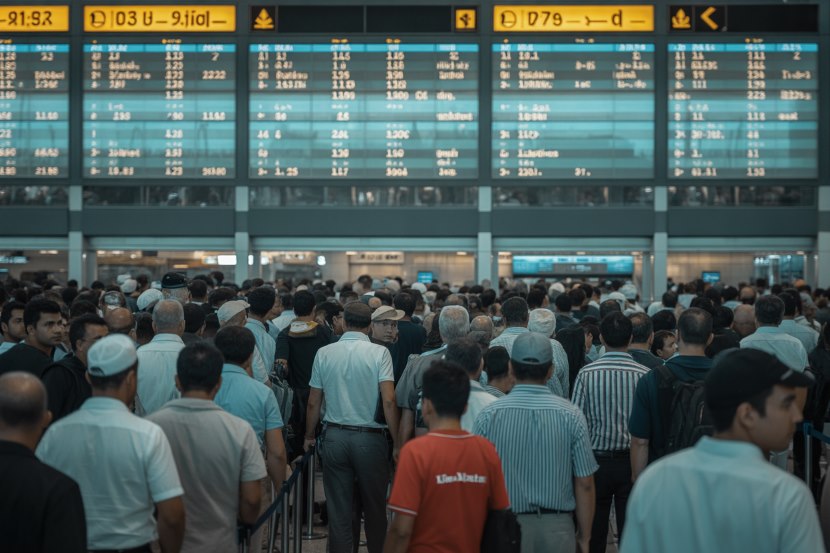
On December 27, 2025, the UAE and Saudi Arabia airports experienced significant disruptions due to flight delays and cancellations caused by major airlines such as FlyDubai, Saudia, Emirates, Egypt Air, and Qatar Airways. The article reports a total of 219 flight delays and 6 cancellations, stranding passengers across major cities including Dubai, Jeddah, Riyadh, and Dammam. This disruption highlights ongoing challenges in the travel industry, particularly in managing large-scale airline operations and ensuring passenger safety and satisfaction during turbulent times.
Key Points:
- Major airlines including FlyDubai, Saudia, Emirates, Egypt Air, and Qatar Airways caused 219 flight delays and 6 cancellations in the UAE and Saudi Arabia.
- The disruptions affected travelers across major cities such as Dubai, Jeddah, Riyadh, and Dammam, leading to significant inconvenience.
- The article emphasizes the challenges faced by the travel industry in managing large-scale airline operations and ensuring smooth passenger experiences.
Actionable Takeaways:
- Enhanced Operational Resilience: Airlines and airports should invest in advanced operational technologies to improve resilience against disruptions. This includes real-time tracking systems, predictive analytics for weather and operational risks, and flexible scheduling to minimize delays and cancellations.
- Improved Passenger Communication: Airlines should enhance communication strategies to keep passengers informed about delays and cancellations. Real-time updates through mobile apps and social media can help manage passenger expectations and reduce frustration.
- Focus on Passenger Experience: The incident underscores the importance of prioritizing passenger experience. Airlines should invest in better customer service training, streamlined check-in processes, and improved baggage handling to enhance overall satisfaction during turbulent times.
Contextual Insights:
The disruptions in the UAE and Saudi Arabia airports underscore the vulnerabilities in the global travel infrastructure, particularly in managing large-scale airline operations. This event highlights the need for continuous investment in technology and operational efficiency to mitigate such disruptions. The article also reflects broader trends in the travel industry, such as the increasing reliance on technology for operational management and passenger communication. Forward-looking insights suggest that the integration of AI and machine learning in airline operations could significantly enhance predictive capabilities, allowing airlines to preemptively address potential disruptions. Additionally, the emphasis on passenger experience during disruptions highlights a growing trend towards customer-centric strategies in the travel sector, which could drive innovation in travel tech and fintech solutions aimed at improving passenger satisfaction and operational efficiency.
Read the Complete Article.



