












Comprehensive Summarization:
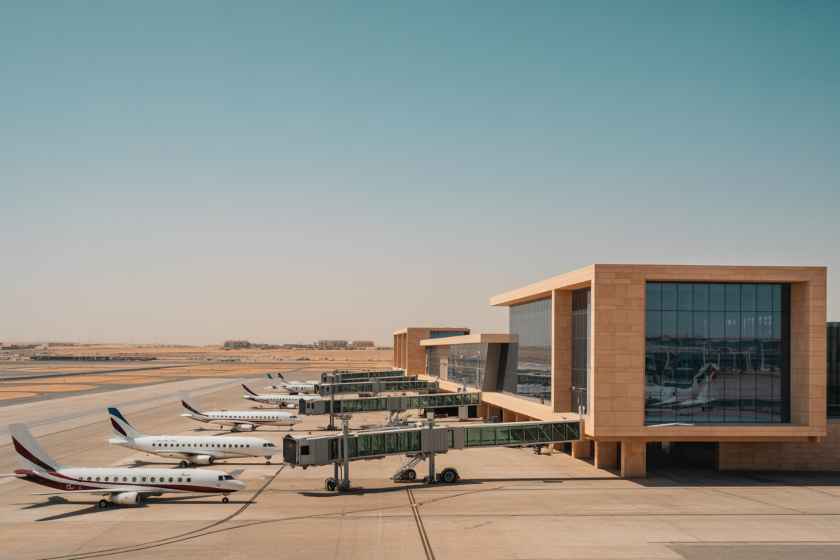
In 2025, secondary airports across the Gulf Cooperation Council (GCC) have emerged as pivotal players in reshaping travel dynamics within the region. Historically overshadowed by major hubs such as Dubai International, Riyadh King Khalid, and Jeddah King Abdulaziz, these secondary airports are now experiencing a surge in activity. They are characterized by the introduction of new routes, enhanced service efficiency, and a growing traveler base. This shift signifies a broader transformation in the aviation landscape of the GCC, moving away from the dominance of mega-hubs towards a more diversified and accessible network of airports.
Key Points:
- Shift in Travel Dynamics: Secondary airports in the GCC are gaining prominence, challenging the traditional dominance of mega-hubs like Dubai International, Riyadh King Khalid, and Jeddah King Abdulaziz.
- Introduction of New Routes: These airports are expanding their route networks, offering travelers more options and potentially reducing congestion at major hubs.
- Enhanced Service Efficiency: There is a noticeable improvement in service efficiency at secondary airports, making them more attractive to travelers.
- Growing Traveler Base: The traveler base at these airports is expanding, indicating a shift in travel patterns and preferences within the GCC region.
- Technological Advancements: The article implies that technological advancements are playing a role in the improved services and efficiency at these airports.
Actionable Takeaways:
-
Diversification of Travel Hubs: Airlines and travel agencies should consider diversifying their hub networks to include secondary airports in the GCC. This can help in reducing congestion at major hubs and provide travelers with more options, potentially leading to increased customer satisfaction and loyalty.
-
Investment in Airport Infrastructure: There is a clear opportunity for investment in upgrading airport infrastructure at secondary airports. Enhancing services and efficiency at these airports can make them more competitive and attractive to travelers, thereby boosting the overall travel experience in the region.
-
Leveraging Technology: The article hints at the role of technology in improving services at secondary airports. Travel companies and startups in the travel tech sector should focus on developing innovative solutions that can enhance the travel experience at these airports, such as mobile check-ins, real-time flight tracking, and improved customer service platforms.
Contextual Insights:
The emergence of secondary airports in the GCC as key players in the travel landscape reflects broader trends in the global travel industry towards decentralization and accessibility. The shift from mega-hubs to a more distributed network of airports is driven by several factors, including the growing demand for more travel options, the need for reduced congestion at major hubs, and the increasing importance of technology in enhancing travel experiences. Thought leaders in the travel industry have noted that this shift is not just a regional phenomenon but a global trend, with other regions also witnessing a similar transformation.
The introduction of new routes and enhanced services at secondary airports is a direct response to changing traveler preferences and market conditions. As more travelers seek flexibility and convenience, airports that can offer a wider range of routes and improved services are likely to attract more passengers. This trend is further supported by the growing role of technology in the travel industry, with startups and established companies leveraging digital solutions to improve airport operations and passenger experiences.
In conclusion, the rise of secondary airports in the GCC represents a significant development in the travel industry, driven by technological advancements, changing traveler preferences, and the need for more accessible and efficient travel options. For industry stakeholders, this presents both challenges and opportunities, particularly in terms of infrastructure investment, service innovation, and strategic network planning. By embracing these changes and leveraging the insights provided in the article, industry players can position themselves to thrive in the evolving travel landscape of the GCC and beyond.
Read the Complete Article.



