









No products in the cart.
- Latest
- Trending

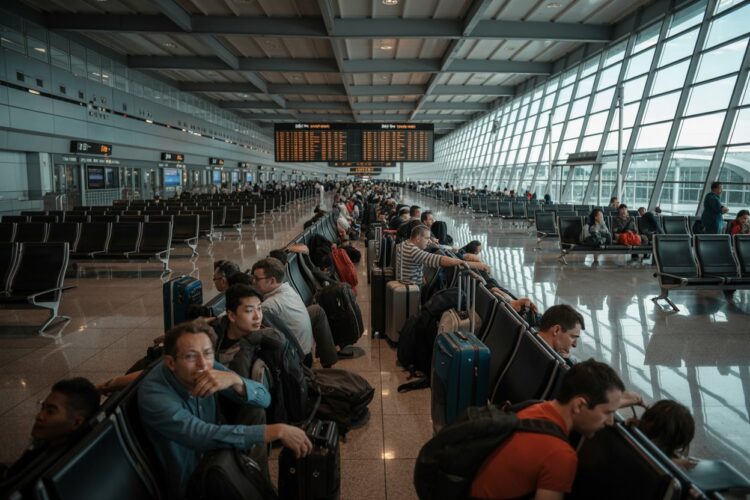
Gulf Air and UAE Airlines Spark Travel Disruption as a Dozen New Flights Are Cancelled Affecting Rou...
Comprehensive Summarization:
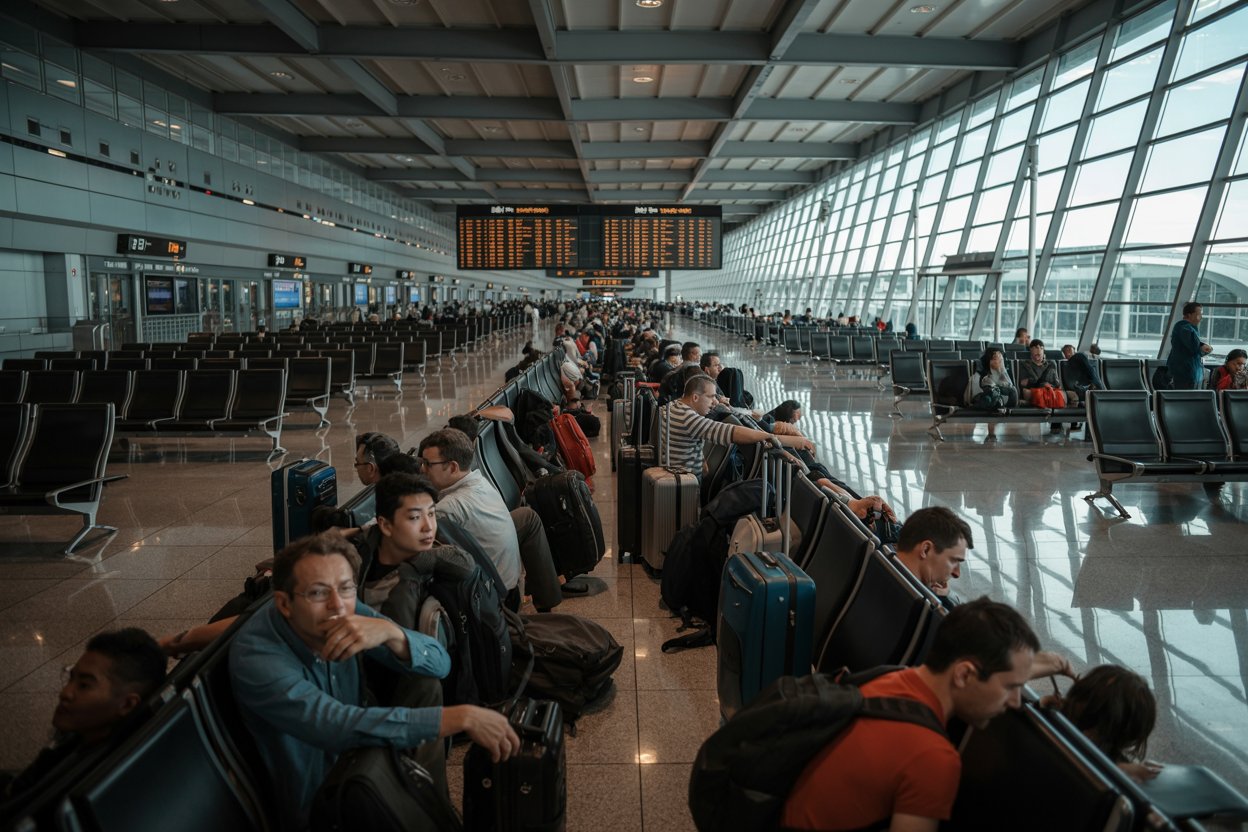
The article reports on significant travel disruptions affecting multiple routes in the UAE, primarily due to the cancellation of a dozen new flights by Gulf Air and UAE Airlines. These cancellations impact key airports including Dubai International, Abu Dhabi International, Sharjah International, and Al Ain International, disrupting travel plans for passengers heading to destinations such as Auckland, Bahrain, and Lahore. The disruption highlights ongoing challenges in the travel industry, particularly in managing flight schedules amidst operational and logistical hurdles. The article underscores the importance of robust contingency planning and communication strategies in the travel sector to mitigate such disruptions effectively.
Key Points:
Actionable Takeaways:
Contextual Insights:
The recent flight cancellations by Gulf Air and UAE Airlines reflect broader challenges within the travel industry, particularly in maintaining operational stability amidst increasing operational complexities. The disruptions underscore the critical role of technology in modernizing travel operations, from real-time flight tracking to automated communication systems. As the industry evolves, integrating innovative solutions such as AI-driven predictive analytics and blockchain for secure transaction management can enhance resilience against unforeseen disruptions. Moreover, the incident highlights the importance of strategic partnerships and collaborations within the travel ecosystem to ensure seamless connectivity and support for travelers during turbulent times. By adopting these forward-looking strategies, the travel sector can better navigate future challenges and maintain high service standards.
Read the Complete Article.
Get curated travel AI insights — choose the newsletters that matter to you.
ALTOUR Expands into Thailand, Strengthening Corporate Travel Network Across Southeast Asia BANGKOK, THAILAND (25 March, 2026) – ALTOUR, a leading...
Read moreDetails


Comprehensive Summarization: The article reports on significant travel disruptions affecting multiple routes in the UAE, primarily due to the cancellation...
Read moreDetails