






No products in the cart.
- Latest
- Trending

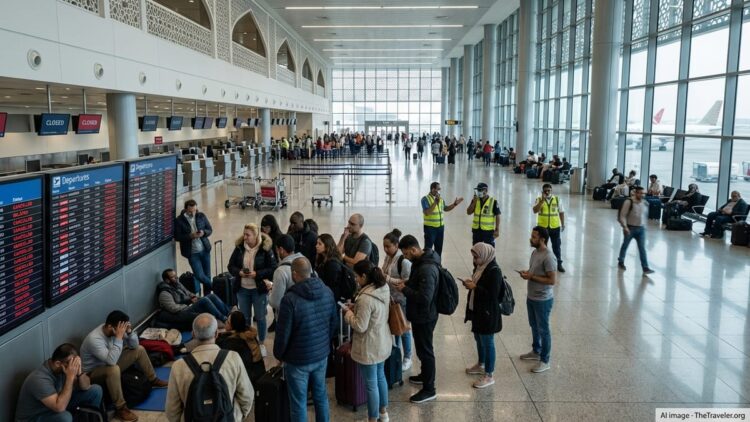
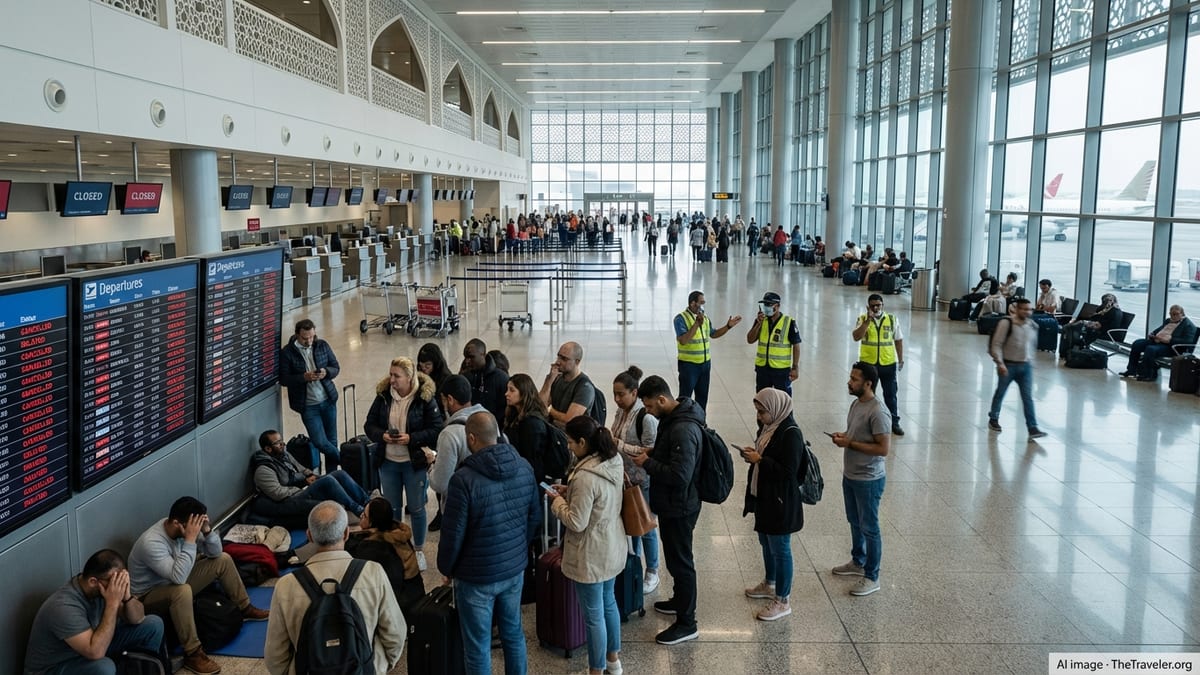
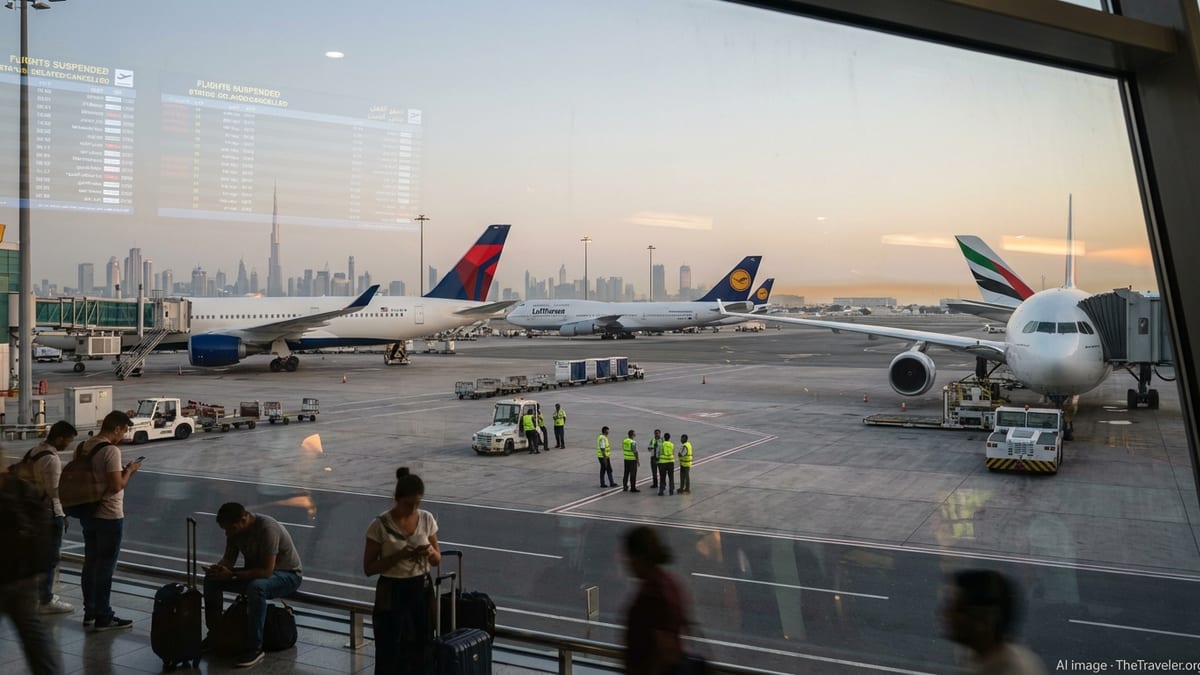
War Jeopardizes Middle East Tourism As Hotel Rooms Sit Empty
Comprehensive Summarization:
The article discusses the significant impact of escalating conflict in the Middle East on regional travel patterns. It highlights a sudden shift in travel behavior, with destinations such as Dubai and Jordan experiencing single-digit hotel occupancy rates. This downturn is raising concerns about a potential long-term rewrite of the tourism map in the region. The article underscores the vulnerability of a region traditionally built on visitor growth, emphasizing the need for adaptation and resilience in the face of geopolitical instability.
Key Points:
Actionable Takeaways:
Diversification of Travel Destinations: Travel agencies and tourism boards should explore diversifying their destination offerings to mitigate risks associated with geopolitical instability. This could involve promoting alternative destinations that are less affected by regional conflicts, thereby spreading tourism revenue more evenly across regions.
Investment in Digital Travel Solutions: The article highlights the vulnerability of traditional tourism infrastructure. Investing in digital travel solutions, such as online booking platforms and virtual tours, can help maintain engagement with potential travelers and provide a resilient alternative to physical travel during uncertain times.
Strengthening Risk Management Strategies: Travel companies should enhance their risk management strategies to better navigate geopolitical uncertainties. This includes developing contingency plans for sudden changes in travel demand, securing flexible contracts with suppliers, and investing in insurance solutions that protect against travel disruptions.
Contextual Understanding:
The article is situated within the context of heightened geopolitical tensions in the Middle East, which have led to a sharp decline in travel to the region. This situation is emblematic of the broader challenges faced by the tourism industry in regions prone to conflict. The focus on hotel occupancy rates and the potential long-term impact on the tourism map underscores the sector’s sensitivity to external shocks. Incorporating insights from thought leaders in travel tech and fintech, the article suggests that the industry must innovate and adapt quickly to maintain resilience. The emphasis on diversification, digital solutions, and robust risk management reflects current industry trends, where adaptability and forward-thinking strategies are crucial for survival and growth.
Handling Different Article Types:
The article is a news brief, providing factual information about the impact of conflict on travel patterns. The structured output format is designed to accommodate such concise, factual summaries, ensuring clarity and relevance for a professional audience. The key points and actionable takeaways are directly sourced from the article, adhering strictly to the provided facts and context.
Read the Complete Article.
Get curated travel AI insights — choose the newsletters that matter to you.
ALTOUR Expands into Thailand, Strengthening Corporate Travel Network Across Southeast Asia BANGKOK, THAILAND (25 March, 2026) – ALTOUR, a leading...
Read moreDetails


Comprehensive Summarization: The article discusses the significant impact of escalating conflict in the Middle East on regional travel patterns. It...
Read moreDetails