












Comprehensive Summarization:
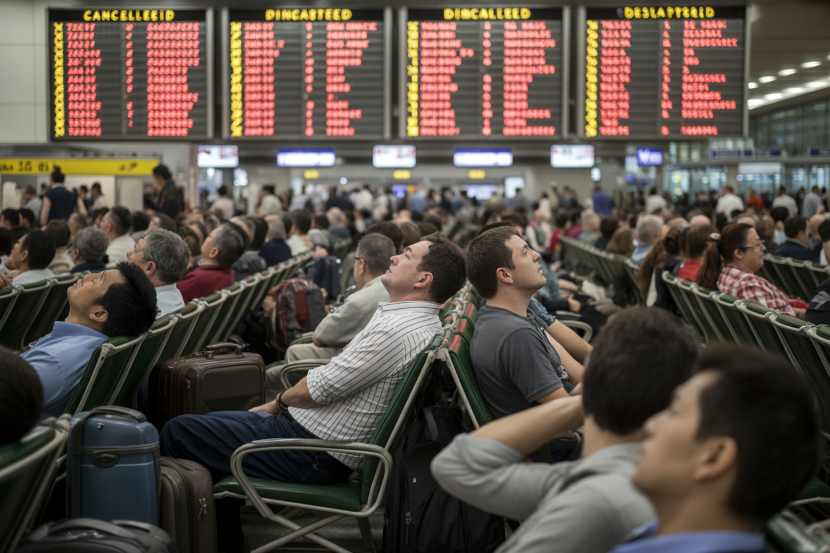
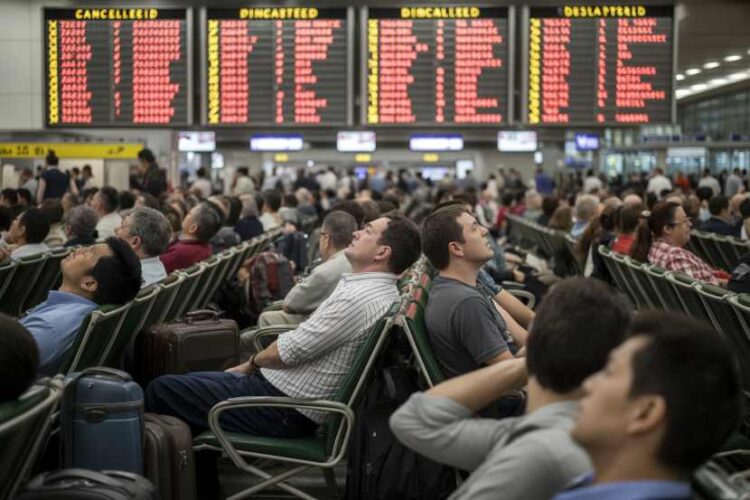
The article reports on significant disruptions to air travel across the UAE, Turkey, and Iran due to the cancellation of 34 flights and over 300 delays by several major airlines, including Berniq Airways, Air France, Iran National Airlines Corp., Arkia Israel Inland, and Pegasus. These disruptions have severely impacted travelers in these regions, particularly affecting major airports in Dubai, Istanbul, and Tehran. The article highlights the operational challenges faced by these airlines and the broader implications for the travel industry in the region.
Key Points:
-
Flight Cancellations and Delays: Five major airlines—Berniq Airways, Air France, Iran National Airlines Corp., Arkia Israel Inland, and Pegasus—have canceled 34 flights and caused over 300 delays, disrupting travel across the UAE, Turkey, and Iran.
-
Geographic Impact: The disruptions are particularly severe in major airports in Dubai, Istanbul, and Tehran, affecting both domestic and international travel.
-
Operational Challenges: The article underscores the operational challenges faced by these airlines, likely due to unforeseen circumstances such as weather conditions, labor issues, or other logistical problems.
-
Traveler Impact: The cancellations and delays have caused significant inconvenience for travelers, highlighting the vulnerabilities in the travel infrastructure during such disruptions.
Actionable Takeaways:
-
Enhanced Communication Strategies: Airlines should improve their communication strategies to promptly inform passengers about cancellations and delays. This can help manage traveler expectations and reduce the overall impact on the travel experience. Given the disruption caused by these airlines, implementing real-time updates through multiple channels (e.g., mobile apps, email, social media) could mitigate future inconveniences.
-
Investment in Resilient Infrastructure: The article emphasizes the need for airlines to invest in more resilient operational infrastructure. This includes diversifying routes, maintaining backup crews, and ensuring robust IT systems for real-time flight tracking and management. Such investments can enhance operational reliability and reduce the likelihood of widespread disruptions.
-
Collaboration with Travel Agencies and Tech Startups: Airlines can collaborate with travel agencies and tech startups specializing in travel tech solutions. These partnerships can lead to innovative solutions for managing disruptions, such as dynamic rebooking options, integrated travel insurance, and enhanced customer support services. This collaboration can also drive advancements in travel fintech, offering travelers more flexible and cost-effective options during disruptions.
Contextual Understanding:
The disruptions reported in the article are reflective of broader challenges faced by the global travel industry, particularly in regions with high tourist traffic like the UAE, Turkey, and Iran. Recent events, such as weather anomalies or geopolitical tensions, have increasingly impacted air travel schedules. The article also touches on the growing importance of technology in travel, with airlines leveraging digital tools to manage disruptions more effectively. Forward-looking insights suggest that the integration of AI and machine learning in flight management systems could further enhance predictive capabilities, allowing airlines to preemptively address potential issues before they escalate.
Handling Different Article Types:
The article in question is a news blurb, providing a concise update on a significant disruption in air travel. The structured output format ensures that the information is presented clearly and concisely, suitable for a professional audience. The focus on actionable takeaways and contextual insights aligns with the needs of industry professionals seeking practical advice and forward-looking perspectives on travel industry trends.
Read the Complete Article.



