









No products in the cart.
- Latest
- Trending

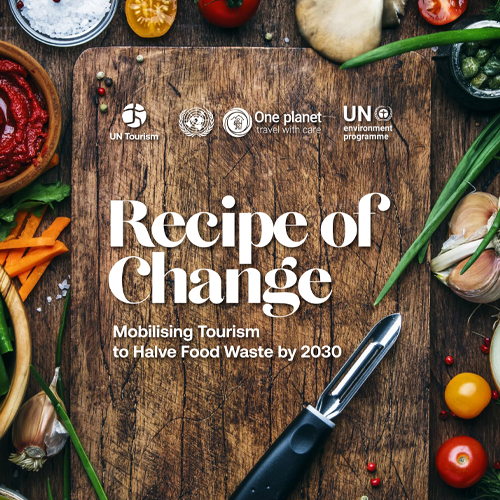
Tourism Leaders Convene on Zero Waste Day to Launch Global “Recipe of Change”
Comprehensive Summarization:
The article highlights a significant initiative launched on the International Day of Zero Waste, aimed at accelerating food waste reduction within the tourism sector. This initiative, endorsed by major global players in tourism, serves over 600 million guests annually and generates more than USD 56.5 billion in annual revenue. The event underscores the dual benefits of waste reduction: environmental sustainability and cost savings for the sector. It also positions food waste reduction as a key strategy for building resilience against future challenges, positioning the tourism industry at the forefront of sustainable food systems.
Key Points:
Actionable Takeaways:
Contextual Insights:
The initiative aligns with the growing global emphasis on sustainability and waste reduction, particularly in sectors with significant environmental footprints like tourism. The convergence of major tourism businesses adopting such initiatives reflects a broader industry shift towards sustainable practices. This trend is likely to influence travel startups and fintech innovations, as businesses seek to integrate sustainable practices into their operations. The focus on consumer behavior suggests a potential market opportunity for fintech solutions that incentivize sustainable travel choices, such as rewards programs for eco-friendly travel behaviors. Overall, the article underscores the importance of integrating sustainability into core business strategies to meet current market demands and future challenges.
Read the Complete Article.
Get curated travel AI insights — choose the newsletters that matter to you.
ALTOUR Expands into Thailand, Strengthening Corporate Travel Network Across Southeast Asia BANGKOK, THAILAND (25 March, 2026) – ALTOUR, a leading...
Read moreDetails


Comprehensive Summarization: The article highlights a significant initiative launched on the International Day of Zero Waste, aimed at accelerating food...
Read moreDetails