Article Summary:
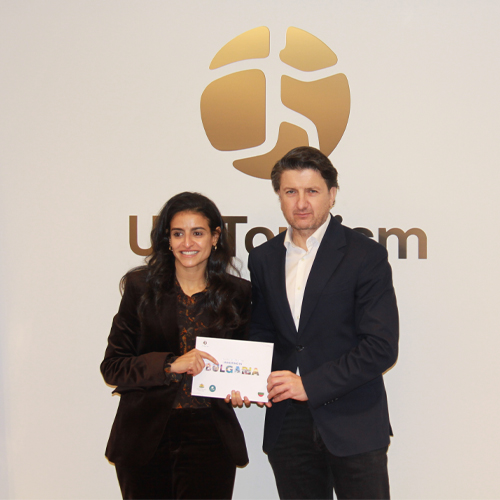
Bulgarian tourism is entering a new investment cycle, highlighted by macroeconomic predictability, full EU integration, strong tourism performance, and a diverse, differentiated asset base. This is underscored by the presentation of guidelines to Bulgaria’s outgoing Minister of Tourism, H.E. Mr. Miroslav Borshos, during his visit to the UN Tourism headquarters in Madrid. UN Tourism Secretary-General Shaikha Al Nuwais emphasized Bulgaria’s unique position in the European tourism market, noting its diversity—from cultural heritage and nature-based destinations to spa, urban, and year-round tourism—making it one of Europe’s most exciting destinations.
Key Points:
- Bulgaria’s tourism sector is experiencing a new investment cycle, driven by macroeconomic stability, EU integration, and strong performance.
- The country boasts a diverse tourism asset base, including cultural heritage, nature-based destinations, spa resorts, urban tourism, and year-round attractions.
- UN Tourism Secretary-General Shaikha Al Nuwais highlighted Bulgaria’s unique position in the European market, emphasizing its diversity and year-round appeal.
- The guidelines presented to the outgoing Minister of Tourism reflect a strategic focus on leveraging Bulgaria’s strengths to attract more visitors and investments.
Actionable Takeaways:
-
Investment Opportunities in Diverse Tourism Offerings: Bulgaria’s diverse tourism sector presents significant investment opportunities. Investors can capitalize on the country’s unique blend of cultural heritage, natural beauty, and modern amenities to develop new tourism products and services. This aligns with the broader trend of diversification in tourism, where destinations are leveraging multiple attractions to attract a wider range of travelers.
-
Leveraging EU Integration for Tourism Growth: Bulgaria’s full EU integration is a key factor in its tourism success. Travelers from EU countries find it convenient to visit Bulgaria, which can be leveraged to attract more European tourists. This also opens avenues for collaboration with other EU countries in promoting joint tourism packages and marketing efforts.
-
Focus on Year-Round Tourism: The emphasis on year-round tourism suggests a strategic shift towards attracting tourists throughout the year. This could involve developing winter sports facilities, cultural events in off-peak seasons, and promoting lesser-known destinations. Such initiatives can help reduce seasonal fluctuations in tourism revenue and create a more stable income stream for the industry.
Contextual Insights:
The article reflects the current state of the travel industry, characterized by a focus on diversification and strategic investments. The emphasis on Bulgaria’s diverse tourism offerings aligns with the industry trend of promoting unique selling propositions (USPs) to stand out in a crowded market. The strategic focus on EU integration underscores the importance of regional cooperation and the benefits of being part of a larger market. The push for year-round tourism reflects the growing consumer demand for flexibility and the need for tourism destinations to offer value throughout the year. These insights suggest that the travel industry is moving towards more sustainable and resilient models, where destinations are prepared to weather economic fluctuations and capitalize on emerging opportunities.
Read the Complete Article.