




No products in the cart.
- Latest
- Trending

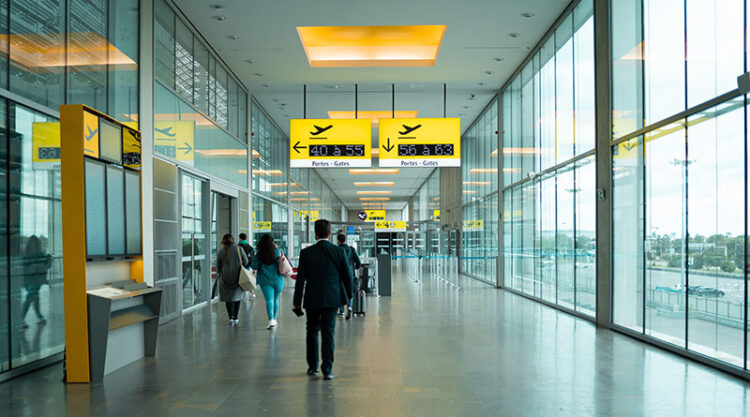
WTTC Forecasts Iran Conflict Costing The Travel & Tourism Sector at Least US$600 Million Per Day
Comprehensive Summarization:
The World Travel & Tourism Council (WTTC) has reported that the escalating conflict in Iran is causing a significant impact on the Travel & Tourism sector across the Middle East, with an estimated loss of US$600 million per day in international visitor spending. This decline is attributed to disruptions in air travel, reduced traveler confidence, and challenges in regional connectivity, which are collectively affecting demand. The Middle East is a crucial player in global travel, contributing 5% of global international arrivals and 14% of global international transit traffic. The article underscores the vulnerability of the travel sector to geopolitical tensions and the broader implications for the international tourism industry.
Key Points:
Actionable Takeaways:
Diversification of Travel Destinations: Given the vulnerability of the Middle East’s travel sector to geopolitical tensions, travel companies should consider diversifying their destination portfolios to mitigate risks associated with regional conflicts. This strategy can help maintain steady international visitor spending and ensure a more resilient tourism industry.
Investment in Travel Tech and Innovations: The article highlights the importance of travel technology in navigating disruptions. Travel companies should invest in innovative solutions such as digital booking platforms, virtual tours, and enhanced safety protocols to maintain traveler confidence and adapt to changing market conditions.
Strengthening Regional Connectivity: Improving regional connectivity through better air travel infrastructure and logistics can help mitigate the impact of conflicts on international transit traffic. Investments in airport expansions, improved flight schedules, and efficient ground transportation networks are crucial for sustaining demand in the travel sector.
Contextual Insights:
The article’s focus on the impact of geopolitical conflicts on the Middle East’s travel sector underscores the broader challenges faced by the global tourism industry in maintaining stability and growth. Recent events have highlighted the sensitivity of the travel market to political instability and security concerns. As such, the insights provided are highly relevant to current industry trends, emphasizing the need for adaptability and strategic planning. The emphasis on travel technology and regional connectivity aligns with emerging trends in the sector, where digital transformation and infrastructure development are key drivers of resilience and innovation. Thought leaders suggest that embracing these advancements can not only mitigate the immediate impacts of conflicts but also position travel companies for long-term success in a volatile global landscape.
Read the Complete Article.
Get curated travel AI insights — choose the newsletters that matter to you.
This spot is reserved for brands with a compelling story for the travel trade. They use this space to cut...
Read moreDetailsTravel One Technologies launches the world’s first Traveler DNA Platform, targeting the structural data gap at the core of an...
Read moreDetails