










No products in the cart.
- Latest
- Trending

Article Summary:
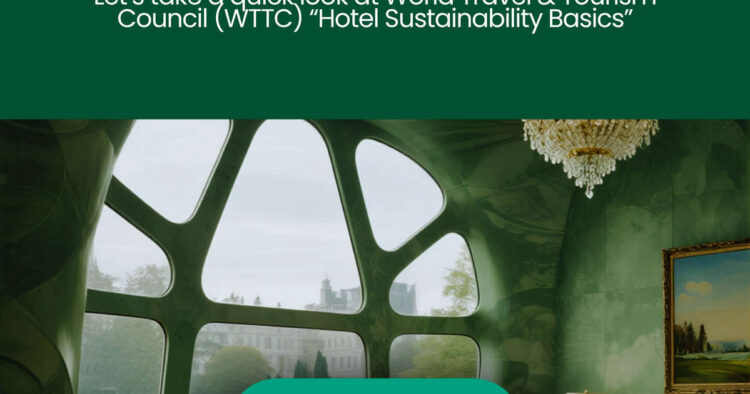
As of August 2024, over 5,000 hotels worldwide have been verified under the World Travel & Tourism Council (WTTC) “Hotel Sustainability Basics” framework. This program outlines 12 key actions for hotels to minimize environmental impact and maximize social benefit, including reducing energy and water use, cutting waste, eliminating single-use plastics, and more. The article highlights the global movement towards sustainability in the hospitality industry, emphasizing the importance of adopting these practices for environmental and social benefits.
Key Points:
Actionable Takeaways:
Contextual Insights:
The adoption of the WTTC’s “Hotel Sustainability Basics” framework reflects a broader industry trend towards sustainability. As environmental concerns become more pronounced, travelers are increasingly seeking eco-friendly accommodations. This shift presents a significant opportunity for hotels to differentiate themselves in a competitive market by adopting sustainable practices. Moreover, the framework’s emphasis on social benefit highlights the importance of community engagement and responsible tourism, which can enhance a hotel’s brand image and customer loyalty. As the travel industry continues to evolve, integrating sustainability into core business strategies will be crucial for long-term success and resilience.
Read the Complete Article.
Get curated travel AI insights — choose the newsletters that matter to you.
This spot is reserved for brands with a compelling story for the travel trade. They use this space to cut...
Read moreDetailsTravel One Technologies launches the world’s first Traveler DNA Platform, targeting the structural data gap at the core of an...
Read moreDetails