










No products in the cart.
- Latest
- Trending


Article Summary:
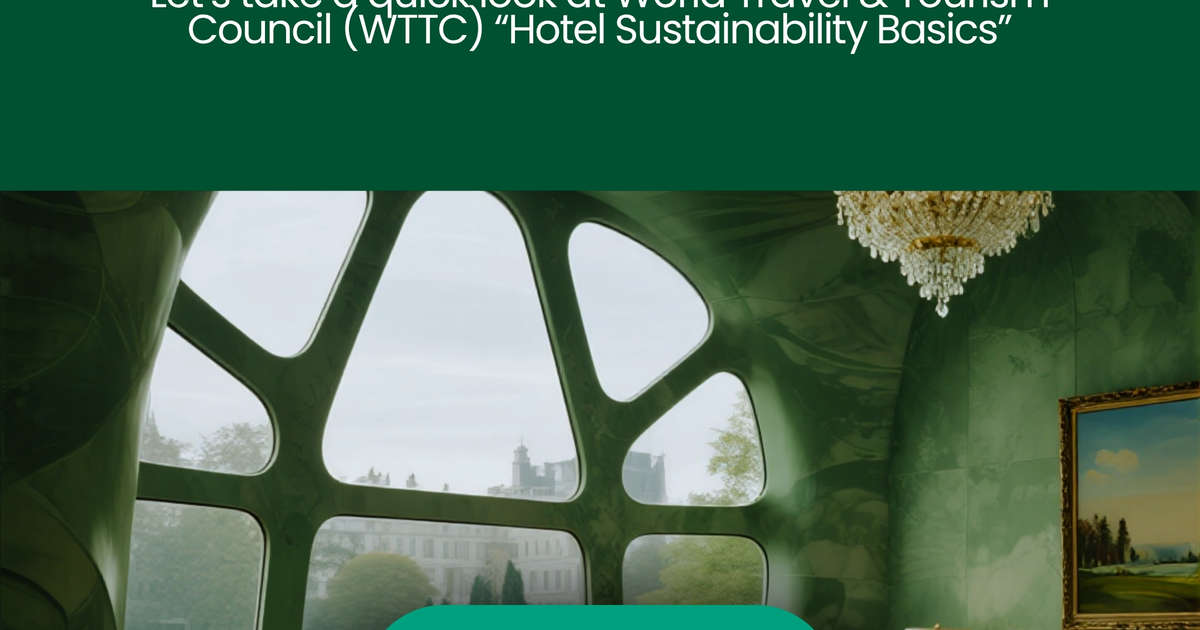
As of August 2024, over 5,000 hotels worldwide have been verified under the World Travel & Tourism Council (WTTC) “Hotel Sustainability Basics” framework. This program outlines 12 key actions for hotels to minimize environmental impact and maximize social benefit, such as reducing energy and water use, cutting waste, and eliminating single-use plastics. The article highlights the global movement towards sustainability in the hospitality industry, emphasizing the importance of adopting these practices for environmental and social benefits.
Key Points:
Actionable Takeaways:
Contextual Insights:
The adoption of the WTTC’s “Hotel Sustainability Basics” framework by over 5,000 hotels globally reflects a significant shift towards sustainability in the hospitality industry. This trend is driven by increasing consumer awareness and demand for eco-friendly travel options, as well as regulatory pressures to reduce environmental impact. The framework’s emphasis on practical actions such as energy and water conservation, waste reduction, and eliminating single-use plastics aligns with broader industry trends towards resource efficiency and sustainability. As the travel industry continues to evolve, hotels that proactively adopt these sustainability practices are likely to gain a competitive edge by appealing to environmentally conscious travelers and enhancing their brand reputation. Furthermore, the integration of sustainability into core business operations can open new opportunities for innovation, particularly in areas such as renewable energy solutions, waste management technologies, and sustainable procurement practices. This forward-looking perspective underscores the importance of sustainability not just as a corporate responsibility but as a strategic imperative for hotels aiming to thrive in the modern travel landscape.
Read the Complete Article.
Get curated travel AI insights — choose the newsletters that matter to you.
This spot is reserved for brands with a compelling story for the travel trade. They use this space to cut...
Read moreDetailsTravel One Technologies launches the world’s first Traveler DNA Platform, targeting the structural data gap at the core of an...
Read moreDetails