
Adventure Magazine provides travel insights for adventurous women
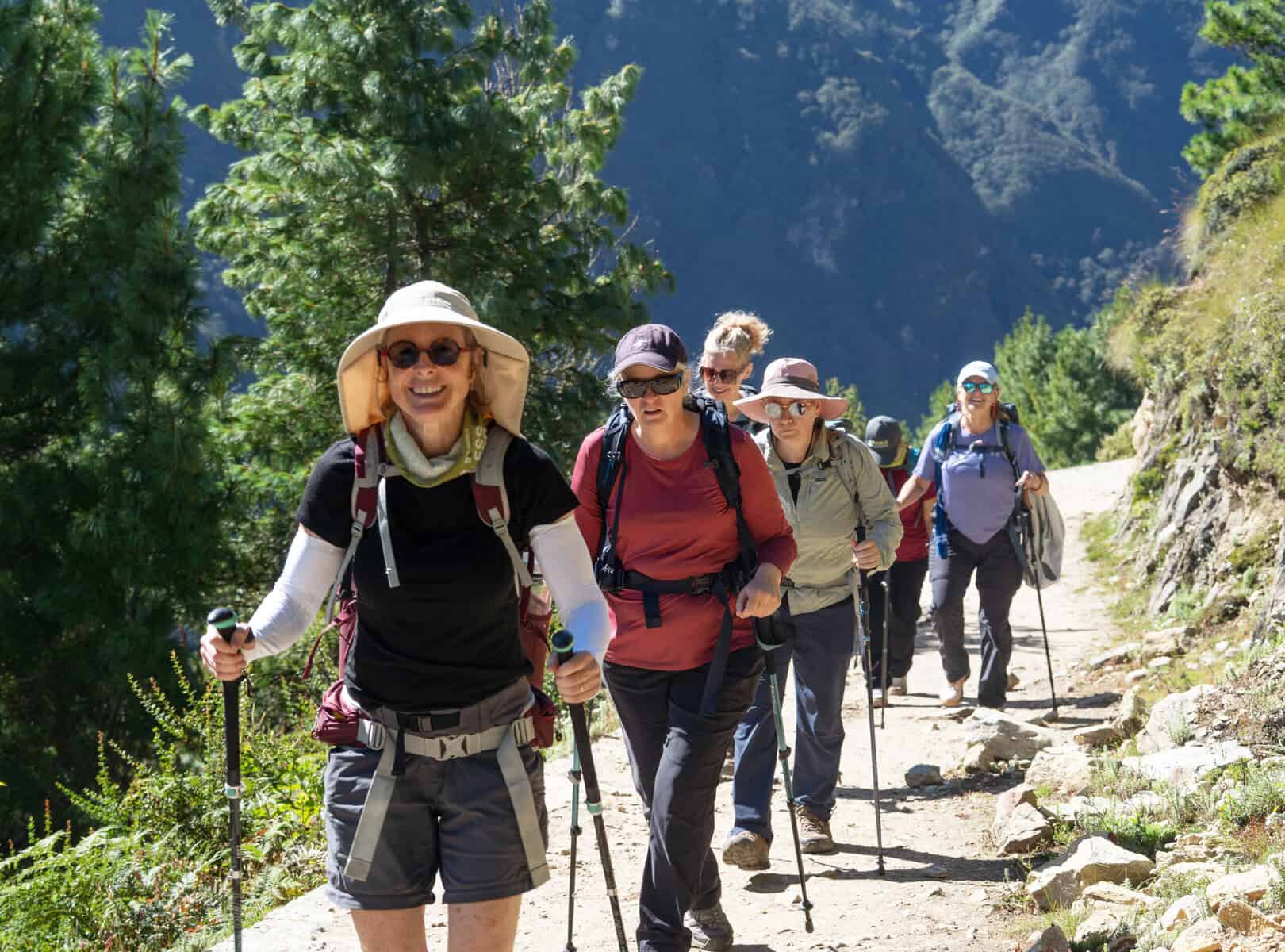
THE NEWS: Adventure travel has always attracted women, but World Expeditions reports that more women in their forties, fifties and...
Read moreDetails
Corporate Business Travel Sees Resurgence, Adapting to New Norms
A recent survey by Deloitte indicates a significant rebound in corporate business travel, with organizations showing increased confidence in its value for achieving business objectives. While travel volume is on the rise, companies are also implementing new strategies and considering various factors that influence their travel policies and practices.
The survey highlights a prevailing sentiment that business travel is crucial for fostering relationships, driving innovation, and achieving strategic goals. Many companies are re-evaluating their previous approaches to business travel, recognizing its continued importance in the post-pandemic landscape. This shift suggests a move away from a potentially permanent reduction in travel towards a more balanced and purposeful engagement with business trips.
Several factors are contributing to this resurgence. The need for in-person collaboration and client engagement is a primary driver. Companies are investing in travel to rebuild and strengthen partnerships, which are often best nurtured through face-to-face interactions. Additionally, the pursuit of new business opportunities and the exploration of emerging markets are often facilitated by physical presence.
However, the return to travel is not a simple reversion to pre-pandemic patterns. Companies are increasingly focused on the purpose and ROI of each trip. There’s a greater emphasis on ensuring that travel is strategic and directly contributes to business outcomes. This often involves more rigorous approval processes and a clearer articulation of the objectives for each journey.
Employee sentiment also plays a role. While many employees are eager to travel for business again, their expectations have evolved. Concerns about safety, well-being, and work-life balance are being integrated into travel planning. Companies are responding by enhancing safety protocols and offering greater flexibility where possible.
The survey also touches upon the evolving landscape of travel providers and technologies. Companies are exploring how to optimize their travel spend through various means, including leveraging technology for booking, expense management, and duty of care. The sustainability of business travel is also emerging as a consideration for some organizations, influencing their choices of transportation and accommodation.
In essence, the corporate business travel sector is navigating a period of adaptation. While the fundamental value of business travel remains recognized, its execution is being refined to align with current economic conditions, employee expectations, and corporate priorities. This thoughtful approach suggests a more sustainable and effective model for business travel moving forward.
Key Points
Read the Complete Article.
THE NEWS: Adventure travel has always attracted women, but World Expeditions reports that more women in their forties, fifties and...
Read moreDetails

Experience the magic of the Nile aboard Kenzy Dahabeya, a luxury boutique sailing cruise that offers an unforgettable journey between...
Read moreDetails





