










No products in the cart.
- Latest
- Trending

Comprehensive Summarization:
Expedia Group, a leading online travel platform, reported an 8% increase in bookings and revenue year-on-year, with profits rising by 5% to $1.29 billion in 2025. During the presentation to analysts, CEO Ariane Gorin highlighted a strong year-end performance driven by international and US market strength. However, the company noted a 31% drop in profits for the three months leading up to December 2024 compared to the previous year. Accommodation bookings saw a 9% increase in total value to $87 billion, accounting for 80% of total revenue, while flight bookings declined by 5%, contributing only $407 million in revenue. The article also touches on broader travel industry trends and insights from thought leaders, emphasizing the importance of AI tools in the sector.
Key Points:
Actionable Takeaways:
AI Integration in Travel Services: Expedia’s focus on AI tools underscores the growing importance of artificial intelligence in the travel industry. Travel companies should invest in AI technologies to enhance customer experiences, streamline operations, and drive revenue growth. This trend is likely to continue, with AI becoming a standard component of travel service offerings.
Diversification of Revenue Streams: The article highlights the significant contribution of accommodation bookings to Expedia’s revenue, accounting for 80%. Travel companies should explore diversifying their revenue streams by expanding into other segments such as luxury accommodations, boutique hotels, or alternative accommodations like vacation rentals. This strategy can mitigate risks associated with fluctuations in specific market segments, such as the decline in flight bookings.
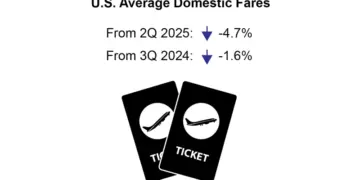
Market Segment Performance Insights: The notable decline in flight bookings, down 5% year-on-year, suggests a need for travel companies to reassess their strategies in this segment. Companies could explore partnerships with airlines, offer bundled travel packages that include flights, or focus on alternative modes of transportation such as trains or car rentals. Understanding and adapting to market segment performance can help companies optimize their offerings and improve profitability.
Contextual Insights:
The article reflects the ongoing evolution of the travel industry, marked by the increasing integration of AI technologies to enhance operational efficiency and customer experiences. As highlighted by thought leaders, AI tools are becoming indispensable for travel companies aiming to stay competitive in a rapidly changing market. The emphasis on international and US market strength suggests a continued focus on these regions, likely driven by their robust travel demand and Expedia’s established presence. The decline in flight bookings, while concerning, presents an opportunity for travel companies to innovate and diversify their offerings, potentially tapping into alternative transportation modes or bundled travel packages. This context underscores the importance of adaptability and strategic innovation in navigating the dynamic travel landscape.
Read the Complete Article.
Get curated travel AI insights — choose the newsletters that matter to you.
This spot is reserved for brands with a compelling story for the travel trade. They use this space to cut...
Read moreDetailsTravel One Technologies launches the world’s first Traveler DNA Platform, targeting the structural data gap at the core of an...
Read moreDetails