












Comprehensive Summarization:
The article discusses the evolving role of loyalty programs in the hotel industry, highlighting how major hotel groups are increasingly leveraging co-branded credit cards, partnerships, and subscriptions to enhance revenue. It emphasizes that loyalty programs are becoming a significant revenue engine, shifting bookings away from higher-cost distribution channels like online travel agencies (OTAs). The article underscores the importance of direct bookings, which are more cost-effective for hotels, and the strategic use of loyalty platforms to boost customer acquisition and engagement. The context provided indicates a shift in the travel industry towards more integrated and profitable loyalty strategies, reflecting broader trends in travel tech and fintech.
Key Points:
- Hotel companies are prioritizing revenue per available room (RevPAR) as a key metric for demand and pricing power.
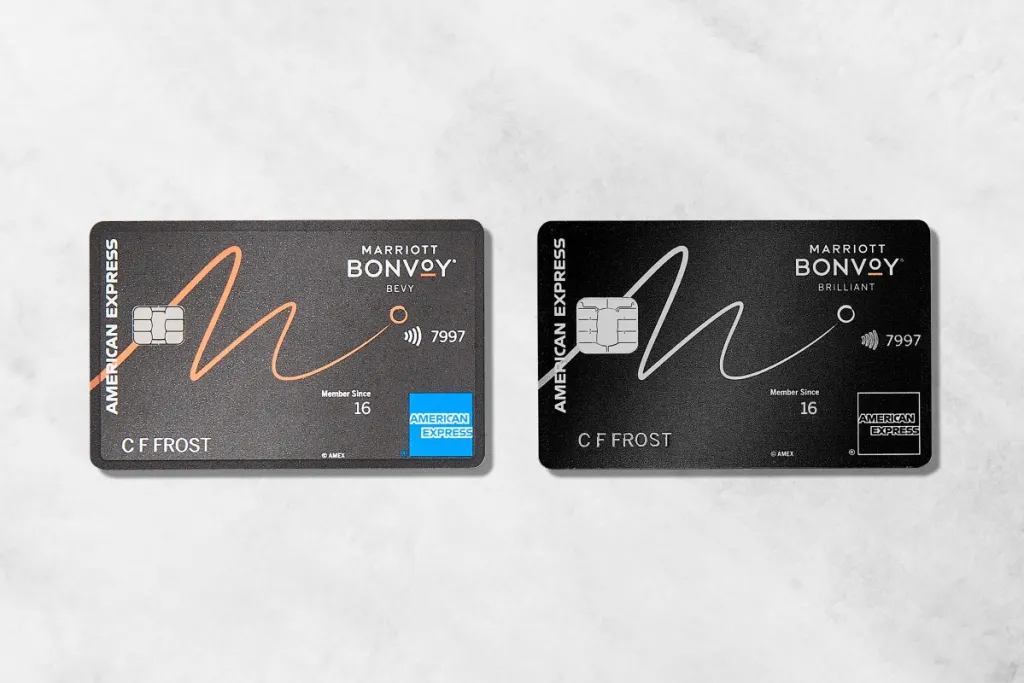
- There is a growing emphasis on treating loyalty programs as a revenue engine through co-branded credit cards, partnerships, and subscriptions.
- Loyalty programs are being used to shift bookings away from higher-cost distribution channels, such as OTAs, which typically charge commissions exceeding 15%.
- Direct bookings are more cost-effective for hotels, costing roughly 4% to 5% of revenue to acquire, compared to OTA commissions.
- The evolution of loyalty platforms is expected to enhance customer acquisition and engagement for hotel groups.
Actionable Takeaways:
-
Leverage Loyalty Programs for Revenue Growth: Hotels should intensify their focus on developing robust loyalty programs that include co-branded credit cards and strategic partnerships. This approach can enhance customer retention and drive revenue growth by shifting bookings away from costly OTA channels. The article highlights the cost advantage of direct bookings over OTA commissions, making loyalty programs a strategic imperative for hotel groups aiming to optimize their revenue streams.
-
Invest in Direct Booking Channels: To maximize profitability, hotels should invest in improving their direct booking channels. By reducing reliance on OTAs, hotels can lower acquisition costs and improve margins. The article’s emphasis on the cost differential between direct bookings (4% to 5% of revenue) and OTA commissions (exceeding 15%) underscores the financial benefits of fostering a strong direct booking presence.
-
Integrate Technology for Enhanced Customer Experience: The article suggests that the evolution of loyalty platforms will play a crucial role in customer acquisition and engagement. Hotels should invest in advanced technology and data analytics to personalize customer experiences and streamline loyalty program offerings. This integration can lead to higher customer satisfaction and loyalty, ultimately driving long-term revenue growth.
Contextual Insights:
The article reflects the current trend in the travel industry towards integrating loyalty programs as a core revenue strategy. As hotel groups increasingly recognize the financial benefits of direct bookings over OTAs, there is a shift towards more sophisticated loyalty platforms that offer enhanced customer acquisition and retention capabilities. This trend is aligned with broader industry movements towards digital transformation and the adoption of fintech solutions to optimize revenue management. The insights provided in the article are particularly relevant for travel startups and fintech innovators, as they highlight the potential for technology-driven loyalty programs to disrupt traditional revenue models and create new market opportunities. By adopting these strategies, industry players can stay competitive in an evolving landscape characterized by rising operational costs and increasing consumer expectations for personalized experiences.
Read the Complete Article.



