









No products in the cart.
- Latest
- Trending

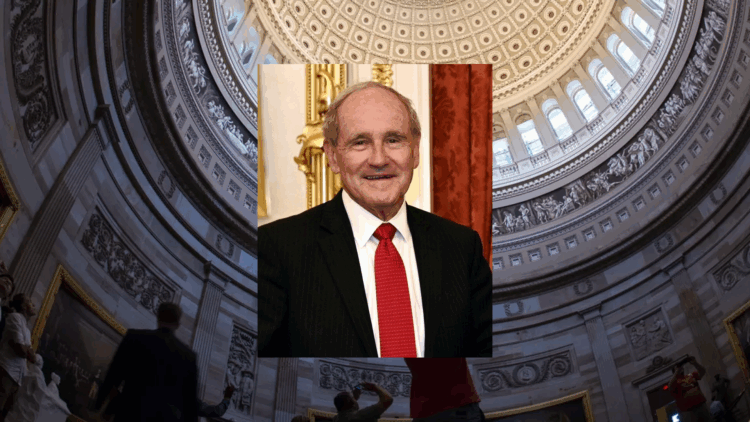
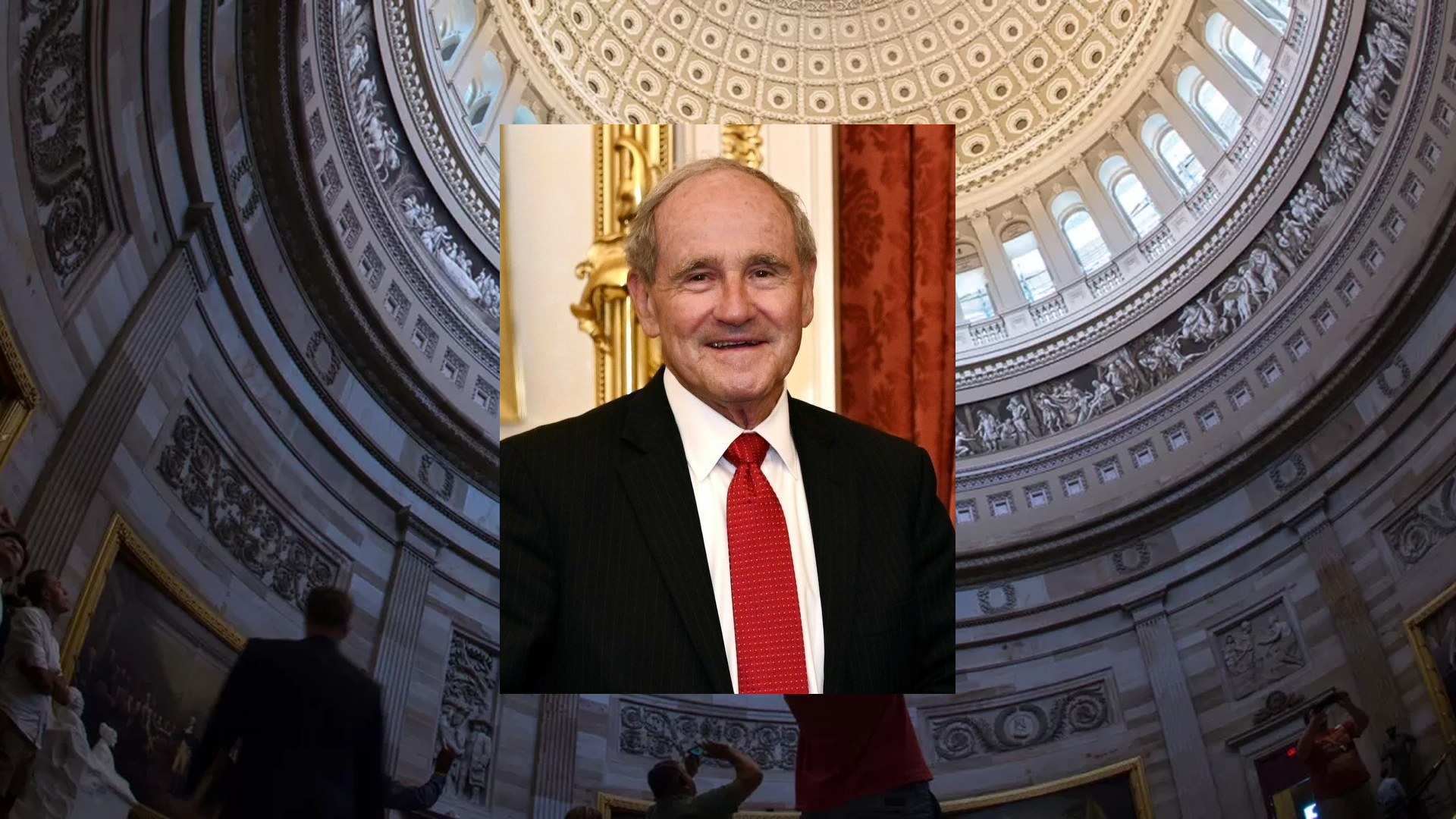
Risch Applauds DHS Rule Easing Visa Requirements for Foreign-Born Religious Workers
Comprehensive Summarization:
Senator Jim Risch, a U.S. Senator from Idaho, has expressed his approval of a new Department of Homeland Security (DHS) rule that simplifies visa requirements for foreign-born religious workers. The rule change allows these workers to return to the U.S. sooner after five years of service, eliminating a mandatory one-year departure period. This adjustment aims to address labor shortages in religious organizations by enabling religious workers to apply for a new R-1 visa immediately upon completion of their service period. Senator Risch has also introduced the Religious Workforce Protection Act, which seeks to extend the R-1 nonimmigrant status without requiring workers to leave the country, further supporting the religious workforce.
Key Points:
Actionable Takeaways:
Enhanced Workforce Stability for Religious Organizations: The new DHS rule and Senator Risch’s proposed legislation provide a more stable work environment for religious workers, potentially increasing the availability of religious services in communities. This could be particularly impactful for regions facing labor shortages in religious organizations.
Potential for Increased Religious Tourism: With a more stable workforce, religious sites and communities may see an uptick in tourism as they can better support visitors. This could drive growth in travel-related services, such as guided tours, accommodations, and hospitality services catering to religious pilgrims.
Opportunities for Travel Tech Innovations: The rule change could spur innovation in travel technology, particularly in platforms that facilitate travel for religious purposes. Startups could develop tools to streamline visa applications, manage travel itineraries for religious pilgrims, or provide real-time updates on religious event schedules, enhancing the overall travel experience for this niche group.
Contextual Understanding:
The article reflects current trends in immigration policy and labor dynamics within the religious sector. As the U.S. continues to grapple with workforce shortages across various industries, the religious sector is no exception. The DHS’s decision to ease visa requirements for religious workers aligns with broader efforts to ensure that critical sectors have the personnel they need to function effectively. This move is particularly relevant in light of recent travel trends, where niche markets such as religious tourism are gaining traction. Experts predict that as more travelers seek meaningful experiences, the demand for religious travel services will continue to rise, making the new rule a significant development for both the travel industry and religious organizations.
Handling Different Article Types:
The article in question is a news brief, providing factual information about a recent policy change and its implications. The structured output format ensures that the key points and actionable insights are clearly presented, making it easy for readers to digest and apply the information. For opinion pieces or feature articles, the approach would involve extracting the core arguments and potential impacts, ensuring that the analysis remains grounded in the facts provided within the article.
Read the Complete Article.
Get curated travel AI insights — choose the newsletters that matter to you.
This spot is reserved for brands with a compelling story for the travel trade. They use this space to cut...
Read moreDetailsTravel One Technologies launches the world’s first Traveler DNA Platform, targeting the structural data gap at the core of an...
Read moreDetails