











Comprehensive Summarization:
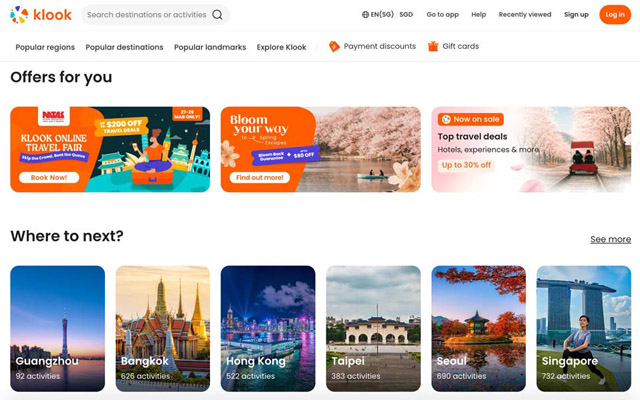
Klook, an experiences platform, has launched a 72-hour Online Travel Fair, targeting Singapore residents despite geopolitical tensions. The event’s general manager, Sarah Wan, highlighted findings from Klook’s Travel Pulse 2026, which revealed that 90% of Singaporeans plan to maintain or increase their travel budgets this year. This resilience in travel demand, even amidst global uncertainty, suggests a shift in how travelers, particularly millennials and Gen Zs, value travel. They are increasingly willing to invest in travel experiences rather than pulling back due to global uncertainties. The article also touches on broader travel trends and insights from thought leaders, emphasizing the importance of understanding evolving consumer behavior in the travel industry.
Key Points:
- Klook has initiated a 72-hour Online Travel Fair targeting Singapore residents, aiming to sustain travel demand despite geopolitical tensions.
- According to Klook’s Travel Pulse 2026, 90% of Singaporeans plan to maintain or increase their travel budgets this year, indicating a resilient travel market.
- The shift in traveler behavior, particularly among millennials and Gen Zs, indicates a fundamental change in how value is assigned to travel experiences, with a preference for investing in travel rather than reducing travel budgets.
Actionable Takeaways:
-
Invest in Digital Travel Platforms: Given the resilience in travel demand, especially among younger demographics, travel companies should invest in digital platforms that offer seamless booking experiences. This aligns with the trend of millennials and Gen Zs valuing travel experiences over budget cuts, suggesting a need for innovative, user-friendly travel solutions.
-
Focus on Value-Driven Travel Experiences: The data suggests that travelers are willing to invest more in travel, indicating a shift towards value-driven experiences. Companies should focus on creating unique, memorable travel experiences that offer more than just cost-effective options. This could involve partnerships with local businesses, exclusive access to events, or immersive cultural experiences.
-
Monitor Geopolitical Tensions: While geopolitical tensions were noted as unlikely to impact travel demand significantly, companies should still monitor these factors closely. Understanding how geopolitical events influence travel behavior can help in strategizing marketing efforts and adjusting offerings to maintain customer confidence.
Contextual Insights:
The article reflects the current state of the travel industry, where digital transformation and evolving consumer preferences are key drivers. The resilience in travel demand, despite geopolitical uncertainties, underscores the importance of digital platforms in maintaining customer engagement. The shift in traveler behavior, particularly among younger generations, highlights a broader trend towards experiential travel. This trend is likely to continue, with companies needing to adapt by offering more than just cost-effective travel options. Furthermore, the focus on value-driven experiences aligns with the growing importance of sustainability and ethical travel, suggesting that companies should also consider integrating these aspects into their offerings to meet the expectations of modern travelers.
Read the Complete Article.




