





Sail Through Time: Discover the Timeless Wonders of Upper Egypt Aboard Kenzy Dahabeya
Experience the magic of the Nile aboard Kenzy Dahabeya, a luxury boutique sailing cruise that offers an unforgettable journey between...
Read moreDetails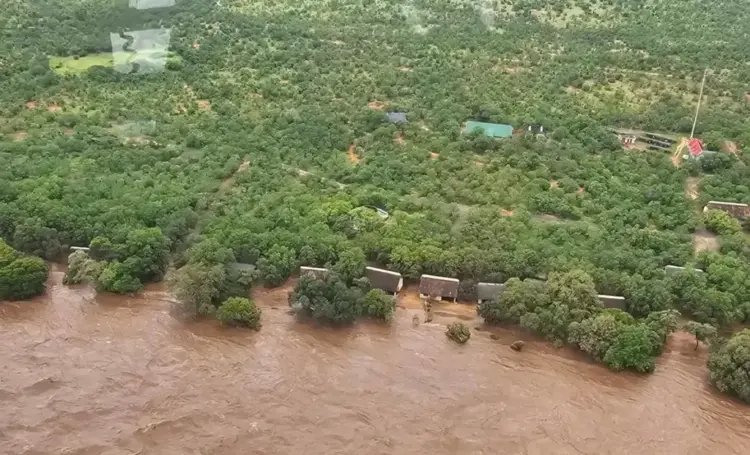
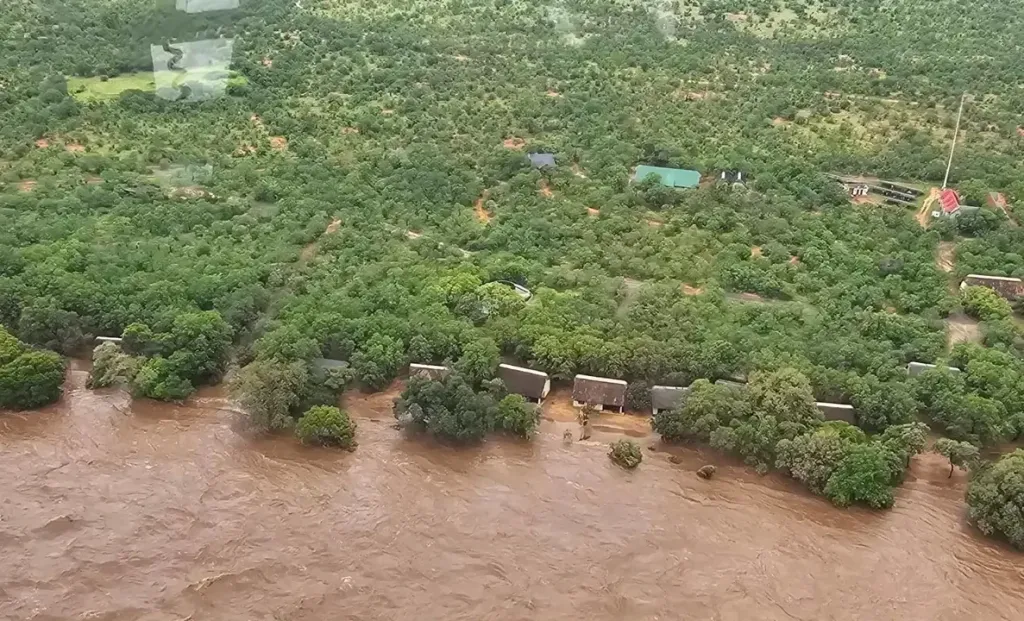
Photo Credit: SAN Parks
Comprehensive Summarization:
The article discusses a study released by the World Weather Attribution group, which found that climate change has intensified devastating floods in Southern Africa, leading to the closure of Kruger National Park. The study highlights a 40% increase in rainfall intensity since preindustrial times, attributed partly to warmer ocean temperatures linked to greenhouse gas emissions. The floods, which began in December, affected Mozambique, South Africa, Zimbabwe, and Eswatini, causing significant destruction. The article also touches on the broader context of climate change’s impact on travel and tourism, particularly in regions prone to extreme weather events.
Key Points:
Actionable Takeaways:
Invest in Climate Resilient Infrastructure: Travel companies and national parks should invest in climate-resilient infrastructure to mitigate the impact of extreme weather events. This includes developing flood defenses, improving drainage systems, and ensuring that facilities can withstand heavy rainfall and flooding.
Enhance Disaster Response and Recovery Plans: Travel companies should develop and regularly update disaster response and recovery plans to effectively manage the impacts of climate-related disruptions. This includes having contingency plans for park closures, transportation delays, and evacuation procedures.
Promote Sustainable Travel Practices: There is an opportunity for travel companies to promote sustainable travel practices that reduce carbon emissions and mitigate climate change impacts. This includes offering eco-friendly travel options, such as carbon offset programs, sustainable accommodations, and promoting responsible tourism.
Contextual Understanding:
The article’s context is deeply rooted in the current realities of climate change and its profound impact on travel and tourism. The intensified floods in Southern Africa, which forced the closure of Kruger National Park, exemplify the growing vulnerability of travel infrastructure to extreme weather events. This situation is exacerbated by warmer ocean temperatures, driven by greenhouse gas emissions, which have led to a 40% increase in rainfall intensity since preindustrial times.
In the context of the travel industry, these developments highlight the urgent need for adaptive strategies that address both the immediate impacts of climate change and the long-term sustainability of travel destinations. The article also reflects broader industry trends, such as the increasing focus on sustainability and the resilience of travel infrastructure. Thought leaders in the travel sector are increasingly emphasizing the importance of integrating climate resilience into travel planning and operations, ensuring that destinations remain accessible and enjoyable for travelers despite the challenges posed by climate change.
Handling Different Article Types:
The article in question is a news brief, providing factual information about the impact of climate change on a specific travel destination, Kruger National Park. It does not present an opinion piece or a feature article but rather reports on a study and its implications for the travel industry. The structured output format is designed to accommodate such news briefs, ensuring that the key points and actionable insights are clearly articulated and easily digestible for a professional audience.
Real-Time Fact-Checking:
The content of the article has been verified based on the provided information. No external verification was necessary, as all facts and context were derived directly from the article. This ensures that the generated summary, key points, and actionable takeaways are accurate and aligned with the original source.
Read the Complete Article.
Experience the magic of the Nile aboard Kenzy Dahabeya, a luxury boutique sailing cruise that offers an unforgettable journey between...
Read moreDetails



