












Comprehensive Summarization:
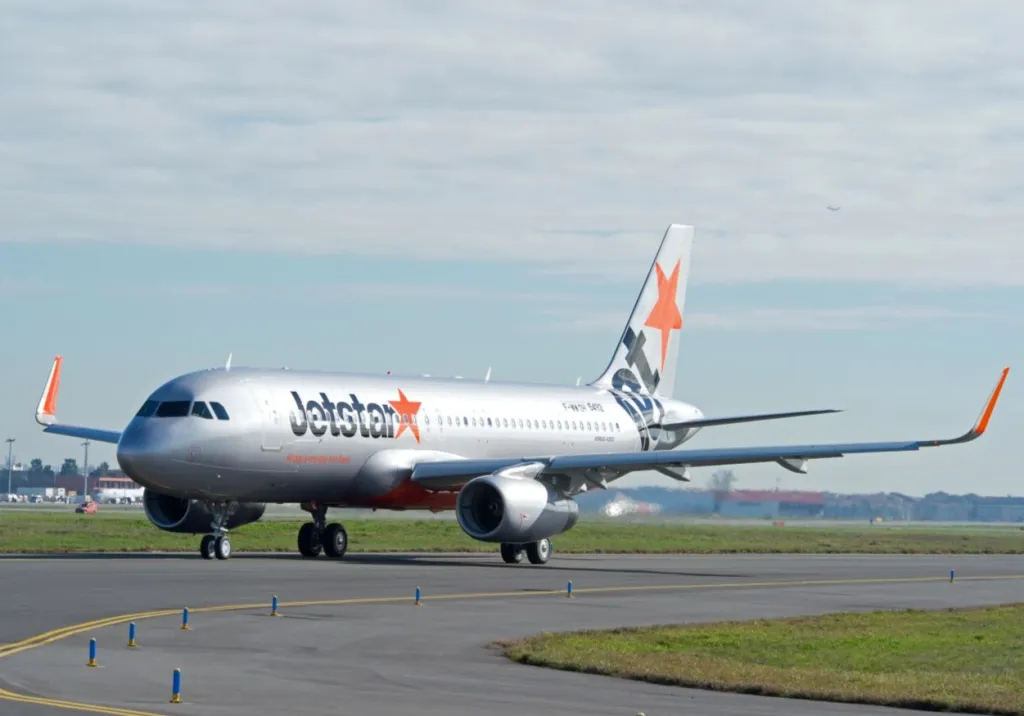
Qantas is preparing to sell its full 33.32% stake in Jetstar Japan in a non-binding deal, with Japan Airlines remaining as the largest shareholder. The Development Bank of Japan and financial group Tokyo Century are set to join the ownership structure. The transaction is expected to be finalized by mid-2027, subject to regulatory approvals. The companies stated that this move will position Jetstar Japan for its next phase of growth and sustainable development. Based at Tokyo’s Narita Airport, Jetstar Japan has long been a key player in the Japanese low-cost carrier market.
Key Points:
- Qantas plans to sell its 33.32% stake in Jetstar Japan.
- Japan Airlines will remain the largest shareholder, with the Development Bank of Japan and Tokyo Century joining the ownership structure.
- The deal is expected to be finalized by mid-2027, pending regulatory approvals.
- The transaction aims to position Jetstar Japan for its next phase of growth and sustainable development.
Actionable Takeaways:
-
Potential Market Expansion: The sale of Qantas’ stake in Jetstar Japan could lead to increased market competition in the Japanese low-cost carrier sector. This could drive Jetstar Japan to innovate and expand its services to capture a larger market share, benefiting travelers with potentially more options and competitive pricing.
-
Regulatory Compliance and Approval: The deal’s finalization is contingent on regulatory approvals. This highlights the importance of navigating complex regulatory environments in the travel industry. Companies must be prepared to engage with regulatory bodies early in the process to ensure a smooth transaction, which could set a precedent for future mergers and acquisitions in the sector.
-
Strategic Partnerships and Ownership Diversification: The involvement of the Development Bank of Japan and Tokyo Century indicates a strategic move towards diversifying ownership structures. This could bring in new perspectives and resources, potentially accelerating Jetstar Japan’s growth and sustainability initiatives. For stakeholders, this underscores the importance of diversification in risk management and leveraging external expertise for sustainable development.
Contextual Understanding:
The article reflects the ongoing evolution of the Japanese low-cost carrier market, a sector that has seen significant transformations in recent years. The involvement of major players like Japan Airlines, the Development Bank of Japan, and Tokyo Century underscores the strategic importance of Jetstar Japan in the region’s aviation landscape. This move aligns with broader industry trends towards consolidation and strategic partnerships aimed at enhancing growth and sustainability. In the context of current travel trends, such strategic moves are crucial for companies to adapt to changing consumer preferences, technological advancements, and regulatory landscapes. The focus on sustainable development also highlights the industry’s shift towards more responsible and eco-friendly practices, a trend that is gaining momentum globally.
Handling Different Article Types:
The article in question is a news blurb, providing factual information about a significant corporate development in the travel industry. The structured output format ensures that the key points and actionable insights are clearly presented, making it easy for readers to grasp the main developments and their implications. This format is particularly useful for professionals who need to quickly digest and act upon critical information in their field.
Read the Complete Article.



