












Comprehensive Summarization:
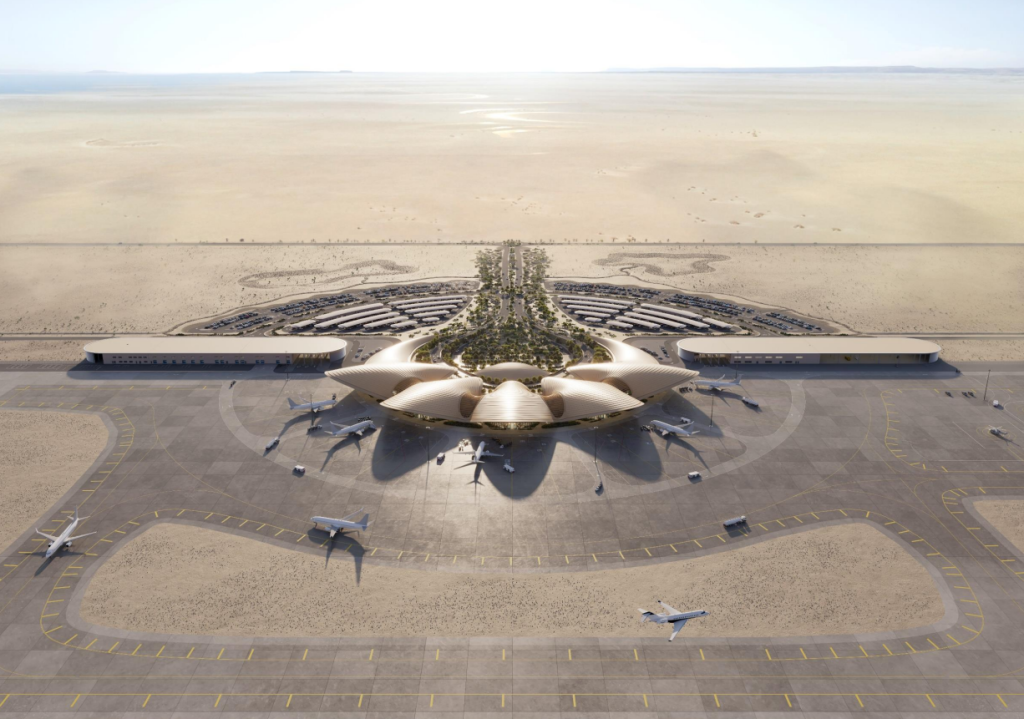
Saudi Arabia’s Red Sea International Airport is strategically aiming for a balanced passenger mix between domestic and international travelers, targeting a 50:50 split by the end of 2026. Currently, 80% of its travelers are from Saudi Arabia, according to Michael White, Chief Commercial Officer. The airport, located in north-western Saudi Arabia, serves as the primary air gateway to the Red Sea region. Red Sea International is expanding its hotel capacity, airlift, and route connectivity, with a focus on increasing connectivity to Europe and a wider indirect network. The goal is to achieve an even split between domestic and international markets by the end of the year, as stated by White.
Key Points:
- Red Sea International Airport aims for a 50:50 split between domestic and international travelers by the end of 2026.
- Currently, 80% of the airport’s travelers are from Saudi Arabia.
- The airport is expanding hotel capacity, airlift, and route connectivity.
- The focus is on increasing connectivity to Europe and a wider indirect network.
- The goal is to achieve an even split between domestic and international markets by the end of 2026.
Actionable Takeaways:
-
Strategic Growth Target: The airport’s goal of achieving a 50:50 split between domestic and international travelers by the end of 2026 presents a strategic growth opportunity. This balance could enhance the airport’s appeal to a broader range of travelers, potentially increasing revenue and market share. Relevance: This aligns with current industry trends of diversifying market segments to mitigate risks and capitalize on varied travel patterns.
-
Infrastructure Expansion: The expansion of hotel capacity, airlift, and route connectivity indicates a commitment to enhancing the overall travel experience and accessibility. Such infrastructure improvements can lead to increased traffic, benefiting not only the airport but also local businesses and tourism. Relevance: This reflects a broader industry trend towards enhancing connectivity and traveler experience, which is crucial for maintaining competitive advantage in the travel sector.
Contextual Insights:
The article reflects the ongoing evolution of the travel industry, particularly in the context of Saudi Arabia’s strategic push to diversify its economy and enhance its global connectivity. The focus on achieving a balanced passenger mix aligns with broader industry trends towards market diversification, which is essential for resilience against fluctuations in travel demand. The emphasis on expanding infrastructure, such as hotel capacity and route connectivity, underscores the importance of creating a seamless travel experience, a key factor in attracting both domestic and international travelers. Furthermore, the strategic location of the Red Sea International Airport as a gateway to the Red Sea region positions it to benefit from the growing interest in luxury and adventure tourism in the region. This context highlights the importance of technological advancements and strategic planning in shaping the future of the travel industry, particularly in emerging markets.
Read the Complete Article.



