













Sail Through Time: Discover the Timeless Wonders of Upper Egypt Aboard Kenzy Dahabeya
Experience the magic of the Nile aboard Kenzy Dahabeya, a luxury boutique sailing cruise that offers an unforgettable journey between...
Read moreDetails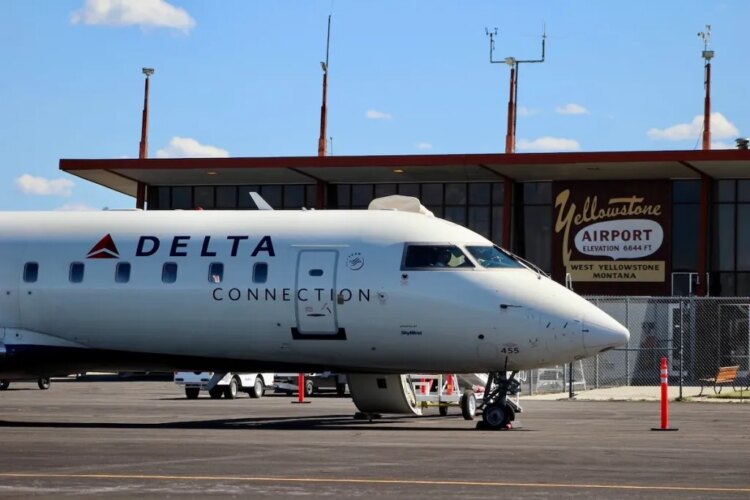
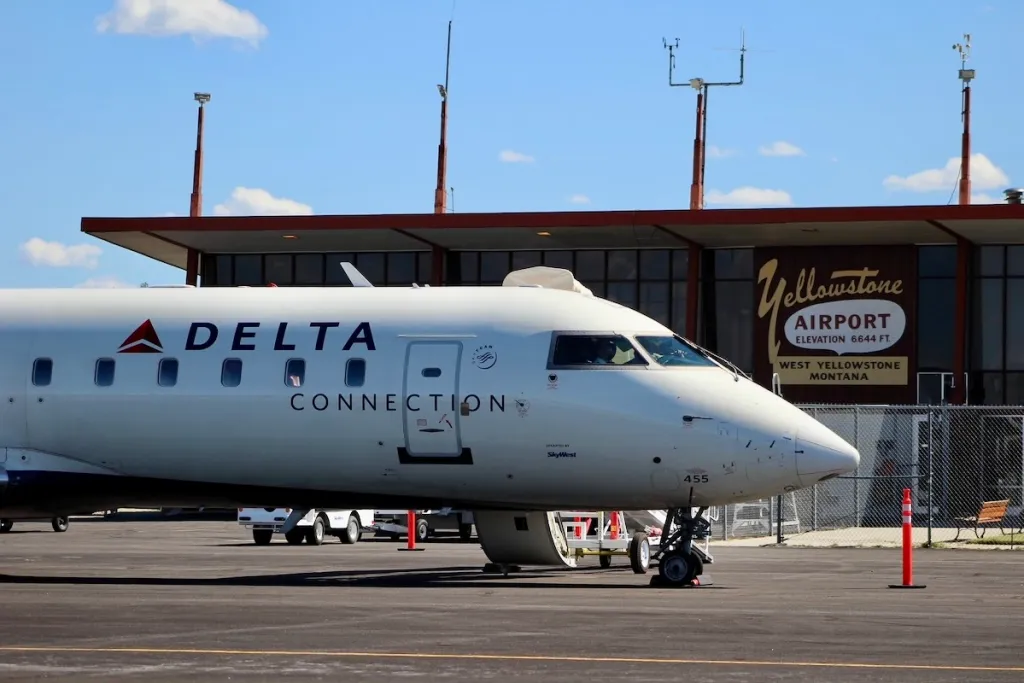
Photo Credit: West Yellowstone Airport
Comprehensive Summarization:
The article discusses President Donald Trump’s order to decertify Canadian aircraft, clarifying that this action would not affect planes currently flying in the U.S. According to a White House spokesperson, only new aircraft would be impacted, meaning thousands of Bombardier regional jets and Airbus A220s already in service with U.S. carriers would continue operating under their existing certifications. The clarification ensures that the operational status of these aircraft remains unaffected by the decertification order.
Key Points:
Actionable Takeaways:
Operational Continuity for U.S. Carriers: U.S. airlines operating Bombardier regional jets and Airbus A220s can continue their operations without interruption due to the decertification order. This stability is crucial for maintaining service continuity and customer trust, especially in the highly competitive travel industry.
Focus on New Aircraft Certification: The decertification order emphasizes the importance of new aircraft certification processes. Airlines and aircraft manufacturers should prioritize compliance with new certification standards to ensure smooth operations and avoid potential disruptions in service.
Contextual Understanding:
The article reflects the ongoing regulatory environment in the aviation industry, particularly concerning aircraft certification and operational safety. The clarification provided by the White House highlights the distinction between new aircraft and those already in service, which is critical for stakeholders in the travel industry. This context underscores the need for continuous compliance with regulatory standards and the potential impact of policy changes on operational logistics.
Handling Different Article Types:
The article is a news brief providing factual information about a regulatory decision in the aviation sector. The structured output format ensures that the information is presented clearly and concisely, suitable for a professional audience. The focus on actionable insights and contextual understanding aligns with the needs of industry professionals seeking to stay informed about regulatory developments and their implications.
markdown
Comprehensive Summarization:
President Trump’s order to decertify Canadian aircraft will not affect planes currently flying in the U.S., according to a White House spokesperson. Only new aircraft will be impacted, ensuring that thousands of Bombardier regional jets and Airbus A220s already in service with U.S. carriers will continue operating under their existing certifications.
Key Points:
Actionable Takeaways:
Contextual Insights:
The article reflects the regulatory environment in the aviation industry, particularly concerning aircraft certification and operational safety. The clarification provided by the White House highlights the distinction between new aircraft and those already in service, which is critical for stakeholders in the travel industry. This context underscores the need for continuous compliance with regulatory standards and the potential impact of policy changes on operational logistics.
Read the Complete Article.
Experience the magic of the Nile aboard Kenzy Dahabeya, a luxury boutique sailing cruise that offers an unforgettable journey between...
Read moreDetails



