












Comprehensive Summarization:
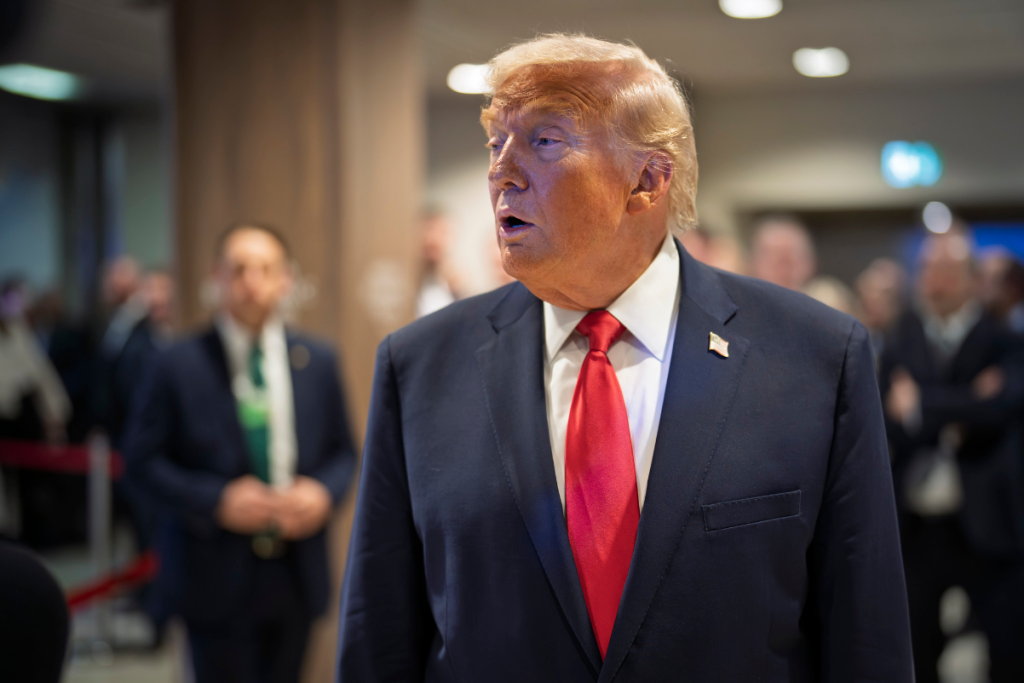
President Donald Trump, during his speech at the World Economic Forum in Davos, stated that he will not use force to take Greenland or impose new tariffs. However, his continued push for U.S. control and criticism of European allies poses a threat to a key transatlantic travel corridor. Trump claimed during his speech that he did not have to use force and reiterated this stance on Truth Social and CNBC, mentioning productive conversations with NATO’s Secretary General and a potential deal with European countries supporting Denmark. The article does not provide further details on the nature of these conversations or the specifics of the proposed deal.
Key Points:
- President Donald Trump stated during his speech in Davos that he will not use force to take Greenland or impose new tariffs.
- Trump’s continued criticism of European allies threatens a key transatlantic travel corridor.
- Trump mentioned productive conversations with NATO’s Secretary General and a potential deal with European countries supporting Denmark.
- The article does not provide further details on the nature of Trump’s conversations or the specifics of the proposed deal.
Actionable Takeaways:
-
Potential Impact on Transatlantic Travel: Trump’s stance on not using force to take Greenland and his proposed deal with European countries could have significant implications for transatlantic travel. If the proposed deal materializes, it could alter the dynamics of travel between the U.S. and Europe, potentially impacting travel demand, pricing, and partnerships. Travel companies and airlines should monitor these developments closely to anticipate changes in market conditions and adjust their strategies accordingly.
-
Influence on Travel Tech and Fintech: The article does not directly address innovations in travel tech or fintech. However, given the geopolitical tensions and potential changes in travel policies, there may be opportunities for travel tech startups to develop solutions that address security, compliance, and payment processing in the evolving travel landscape. Fintech companies could also explore new payment solutions that cater to the changing dynamics of international travel, especially if tariffs or new regulations are introduced.
Contextual Insights:
The article reflects the ongoing geopolitical tensions between the U.S. and European allies, which can have far-reaching implications for the travel industry. The threat to a key transatlantic travel corridor underscores the sensitivity of international travel in the face of political developments. As of the latest insights, the travel industry has been witnessing a shift towards digitalization and sustainability, with startups focusing on enhancing the travel experience through technology and promoting eco-friendly travel options. The potential changes in travel policies and dynamics could either accelerate or hinder these trends, depending on how the situation unfolds. Travel companies and stakeholders should stay informed about geopolitical developments and be prepared to adapt their strategies to navigate the evolving landscape effectively.
Read the Complete Article.



