













Sail Through Time: Discover the Timeless Wonders of Upper Egypt Aboard Kenzy Dahabeya
Experience the magic of the Nile aboard Kenzy Dahabeya, a luxury boutique sailing cruise that offers an unforgettable journey between...
Read moreDetails
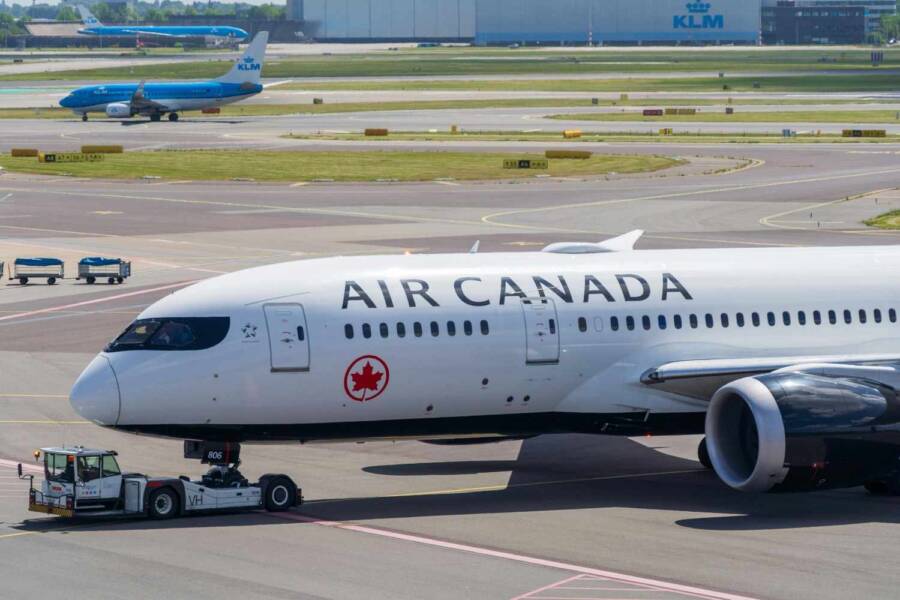
Air Canada Flight Suspensions Announced Amid Rising Fuel Costs
Comprehensive Summarization:
Air Canada announced on April 17, 2026, a strategic decision to significantly alter its flight network in response to volatile energy markets. The airline is temporarily suspending several key routes, including the direct service from Toronto (YYZ) and Montreal (YUL) to New York’s JFK Airport, effective from June 1 to October 25, 2026. This move aims to stabilize operations amidst market uncertainties. Flyers on these suspended routes will need to seek alternative travel options. The article also touches on broader travel industry trends and insights from thought leaders, providing a snapshot of the current state of the travel sector.
Key Points:
Actionable Takeaways:
Route Adjustment Impact: Travelers planning to fly from Toronto (YYZ) or Montreal (YUL) to New York’s JFK Airport between June 1 and October 25, 2026, should explore alternative routes or cities to avoid disruptions. This highlights the importance of flexibility in travel planning, especially in response to strategic business decisions by airlines.
Market Response to Energy Volatility: Air Canada’s decision reflects a broader industry trend of airlines adjusting operations in response to external economic pressures, such as volatile energy markets. This underscores the need for airlines to adopt agile strategies to mitigate risks associated with fluctuating fuel costs and other market dynamics.
Importance of Alternative Travel Planning: The suspension serves as a reminder for both travelers and industry stakeholders to remain adaptable. Travelers should regularly review their travel plans in light of airline announcements, while airlines must communicate changes proactively to minimize customer inconvenience.
Contextual Insights:
The article’s context is deeply rooted in the current challenges faced by the travel industry, particularly the impact of energy market volatility on airline operations. Air Canada’s strategic decision to suspend certain routes is a direct response to these challenges, demonstrating the airline’s commitment to operational stability. This move aligns with broader industry trends where airlines are increasingly adopting flexible routing and scheduling to manage costs and maintain service levels during uncertain economic conditions.
Moreover, the inclusion of insights from travel industry thought leaders suggests a forward-looking perspective on how such strategic adjustments can influence the travel landscape. It emphasizes the need for continuous innovation and adaptation within the sector, particularly in leveraging technology to enhance customer experience and operational efficiency. As the travel industry navigates these challenges, the emphasis on flexibility, strategic planning, and customer-centric solutions will be crucial for sustained success.
Read the Complete Article.
Experience the magic of the Nile aboard Kenzy Dahabeya, a luxury boutique sailing cruise that offers an unforgettable journey between...
Read moreDetails



