











Comprehensive Summarization:
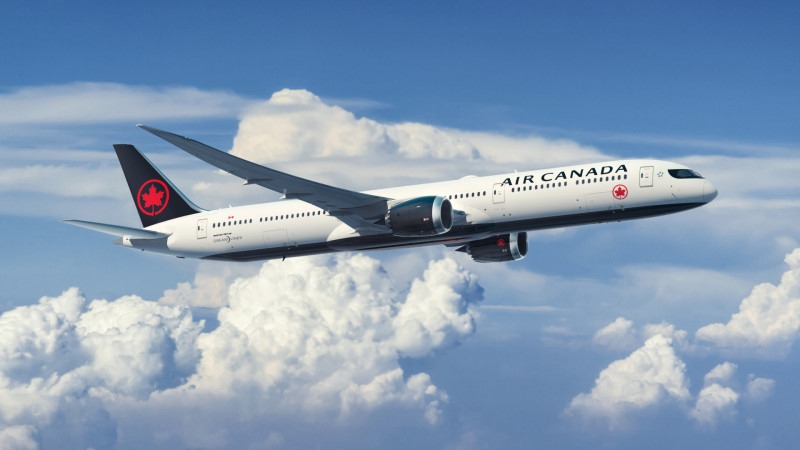
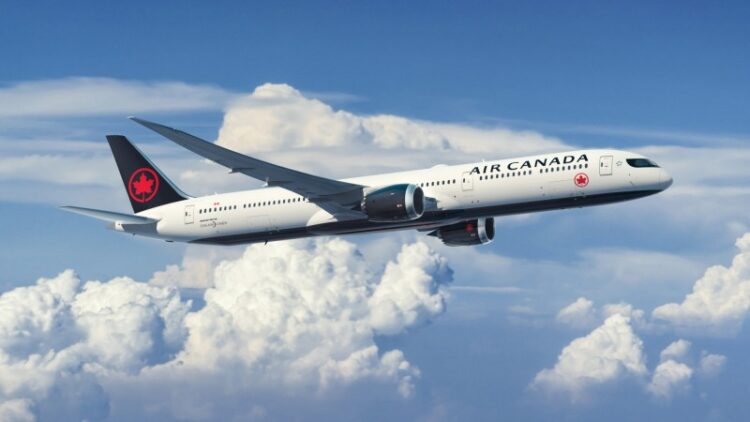
Air Canada has announced the suspension of its Montreal–Algiers route for the summer of 2026, marking the seventh route cut due to escalating jet fuel costs. This decision follows a series of route suspensions announced on April 17, including six other routes. The Montreal–Algiers service, originally scheduled to operate four times weekly from June 1 to September 23, was to be serviced by the Airbus A330-300 aircraft. The suspension was confirmed on April 23, with Air Canada stating that the route will be temporarily suspended for summer 2026 but plans to resume in 2027. Affected customers are being contacted regarding alternative travel options. This move reflects the airline’s response to the increasing challenges in the aviation sector, particularly concerning fuel costs, and highlights the ongoing need for strategic route adjustments in the travel industry.
Key Points:
- Air Canada has suspended the Montreal–Algiers route for the summer of 2026 due to escalating jet fuel costs.
- This is the seventh route cut by Air Canada in a series of reductions, following six other route suspensions announced on April 17.
- The Montreal–Algiers service, intended to operate four times weekly from June 1 to September 23, was to be serviced by the Airbus A330-300 aircraft.
- The suspension was confirmed on April 23, with plans to resume the route in 2027.
- Affected customers are being contacted to explore alternative travel options.
Actionable Takeaways:
-
Route Optimization in Response to Fuel Costs: The suspension of the Montreal–Algiers route underscores the industry-wide challenge of managing escalating jet fuel costs. Airlines are increasingly forced to reassess their route networks to maintain profitability, highlighting the need for strategic route optimization. This could lead to a shift in travel patterns and increased competition among airlines to secure profitable routes.
-
Impact on Affected Customers: The suspension of a key route will necessitate alternative travel arrangements for passengers. Airlines should proactively communicate alternative options to affected customers, potentially leveraging partnerships with other carriers or promoting ground transportation alternatives. This proactive approach can enhance customer satisfaction and mitigate the negative impact on brand loyalty.
-
Long-Term Strategic Adjustments: The decision to resume the route in 2027 suggests that Air Canada is committed to a long-term strategic adjustment. Airlines should consider investing in fuel-efficient aircraft and exploring alternative fuel sources to mitigate the impact of rising fuel costs. This could also involve partnerships with other airlines or stakeholders to share resources and reduce operational costs.
Contextual Insights:
The suspension of the Montreal–Algiers route by Air Canada is a reflection of the broader challenges faced by the aviation industry in managing fuel costs. Recent trends indicate a growing emphasis on fuel efficiency and sustainable aviation practices, driven by both regulatory pressures and environmental concerns. The airline industry is increasingly adopting technologies such as more fuel-efficient aircraft, optimized flight paths, and alternative fuels to reduce operational costs and environmental impact. This move by Air Canada aligns with these broader industry trends, emphasizing the need for airlines to adapt to changing market conditions and technological advancements. Furthermore, the suspension highlights the importance of customer communication and support during such disruptions, a critical aspect of maintaining customer trust and loyalty in the face of operational challenges.
Read the Complete Article.






