











Comprehensive Summarization:
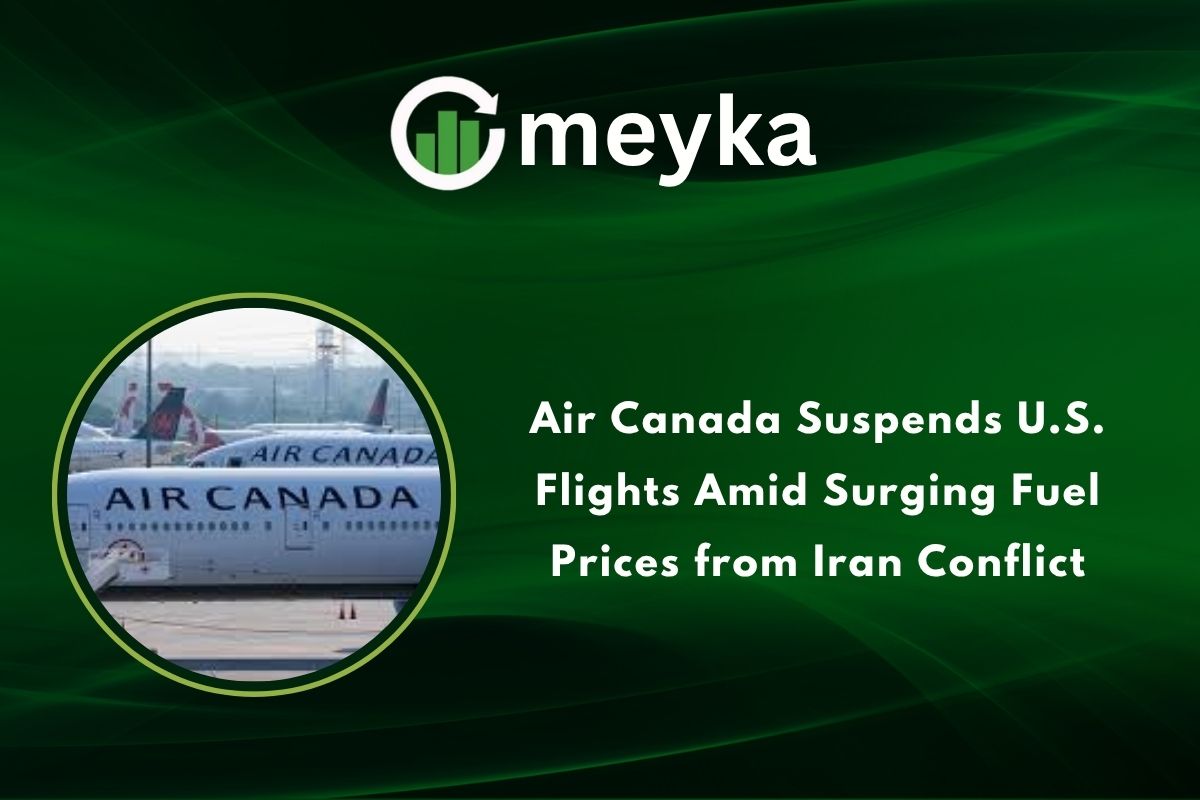
The article discusses the recent decision by Air Canada to suspend several United States routes due to a significant rise in fuel costs, which are linked to tensions involving Iran. This move underscores how global conflicts can quickly impact travel demand, airline profitability, and investor sentiment. The surge in fuel prices has reached nearly 18 percent in recent weeks, prompting airlines to reassess the profitability of their routes. This decision is part of a broader trend observed across North American carriers, as they adjust their operations to manage costs and safeguard earnings amidst fluctuating fuel prices and geopolitical tensions.
Key Points:
- Air Canada has temporarily suspended selected US routes, particularly those with lower passenger demand and tighter margins, due to rising fuel costs.
- The surge in fuel prices has increased by nearly 18 percent in recent weeks, affecting airlines’ route profitability.
- This decision reflects a wider trend across North American carriers, who are adjusting their operations to manage costs and protect earnings in response to global conflicts and fuel price volatility.
Actionable Takeaways:
- Route Optimization and Cost Management: Airlines should prioritize route optimization and cost management strategies to mitigate the impact of rising fuel costs. This includes reevaluating route profitability and potentially suspending or reducing operations on less profitable routes.
- Diversification of Markets: To reduce dependency on volatile fuel prices, airlines should consider diversifying their market focus. This could involve expanding into regions with more stable fuel costs or developing new routes that offer better profitability margins.
- Investment in Sustainable Aviation Fuels (SAF): Airlines should explore investments in Sustainable Aviation Fuels as a long-term strategy to reduce fuel costs and mitigate the impact of geopolitical tensions on fuel prices. SAF can provide a more stable cost base and align with global sustainability goals.
Contextual Insights:
The decision by Air Canada to suspend US routes is a direct response to the escalating fuel costs driven by geopolitical tensions. This situation highlights the vulnerability of the airline industry to external factors such as geopolitical conflicts and fuel price volatility. The trend of North American carriers adjusting their operations in response to these challenges underscores the need for the industry to become more resilient and adaptable. Forward-looking insights suggest that airlines must increasingly focus on sustainable practices and innovative route planning to navigate the complexities of modern air travel. Additionally, the emphasis on cost management and diversification of markets reflects broader industry trends towards operational efficiency and strategic risk mitigation.
Read the Complete Article.






