












Comprehensive Summarization:
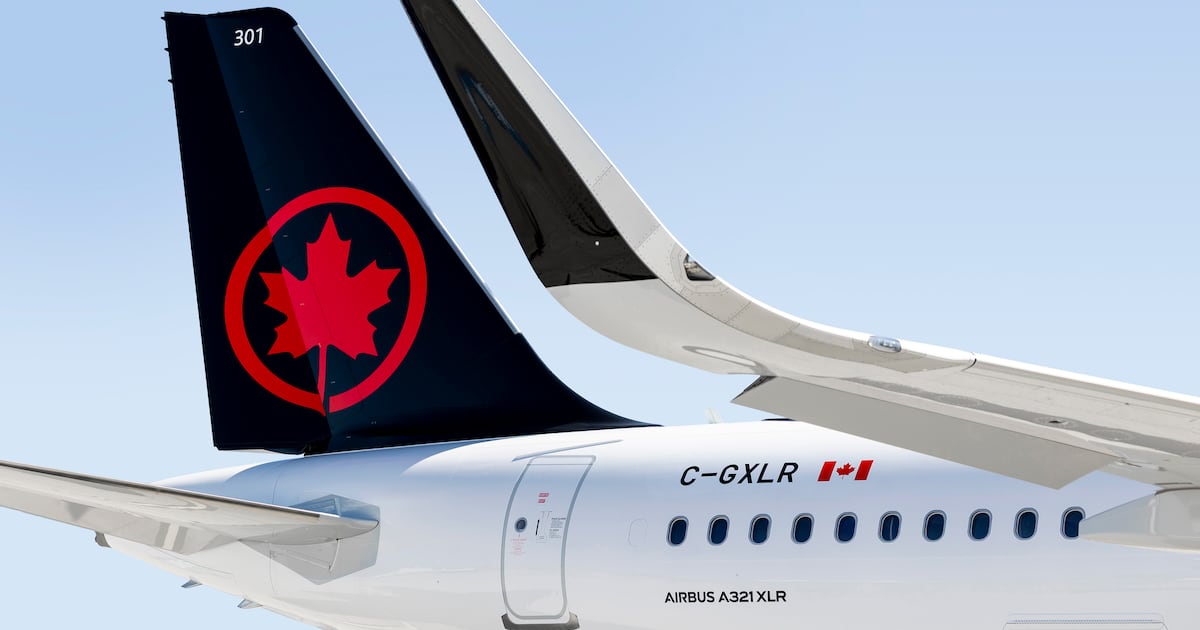
Air Canada has announced the introduction of lie-flat seats on its smaller aircraft, marking a new era in customer comfort and network growth. The airline has acquired 30 Airbus A321XLR single-aisle aircraft, each equipped with 14 lie-flat seats that can recline 180 degrees to a fully horizontal bed. These seats will be available in the airline’s signature class. The new aircraft will also enhance the airline’s capability to fly longer routes, with the first deployment expected over the coming years. The announcement highlights Air Canada’s commitment to improving passenger experience through innovative cabin design and technology.
Key Points:
- Air Canada has acquired 30 Airbus A321XLR aircraft, featuring 14 lie-flat seats in signature class.
- The lie-flat seats will provide passengers with a more comfortable and spacious cabin experience.
- The new aircraft will enable Air Canada to expand its route network, particularly over the Atlantic from Montreal.
- The introduction of lie-flat seats represents a significant advancement in cabin comfort and aircraft design.
Actionable Takeaways:
-
Enhanced Passenger Experience: The introduction of lie-flat seats in Air Canada’s signature class is expected to significantly enhance passenger comfort, potentially leading to increased customer satisfaction and loyalty. This innovation could set a new standard for cabin design in the Canadian airline industry, prompting competitors to reconsider their seating arrangements and comfort offerings.
-
Network Expansion and Market Penetration: With the addition of 30 Airbus A321XLR aircraft, Air Canada will be better positioned to expand its network, particularly on longer routes. This expansion could open up new market opportunities, allowing the airline to tap into previously underserved regions. For travel agencies and tour operators, this could mean more flight options and potentially more competitive pricing, benefiting travelers seeking to explore new destinations.
-
Technological Leadership in Air Travel: Air Canada’s adoption of the Airbus A321XLR with lie-flat seats demonstrates a forward-thinking approach to air travel technology. Other airlines and aircraft manufacturers may follow suit, driving further innovation in cabin design and passenger comfort. This trend could lead to increased investment in aircraft technology and a shift towards more passenger-centric airline operations, benefiting the broader travel industry.
Contextual Insights:
The introduction of lie-flat seats on Air Canada’s smaller aircraft reflects a broader trend in the travel industry towards enhancing passenger comfort and experience. As competition intensifies among airlines, offering superior amenities and services has become a key differentiator. This move by Air Canada not only positions the airline as a leader in cabin innovation but also aligns with the growing consumer demand for more comfortable and spacious travel options. Furthermore, the integration of advanced aircraft technology, such as the Airbus A321XLR, underscores the industry’s shift towards more efficient and passenger-friendly operations. For travel startups and fintech companies, this trend presents opportunities in developing solutions that cater to the evolving needs of modern travelers, such as enhanced booking platforms, personalized travel experiences, and seamless in-flight services. The focus on comfort and convenience is likely to drive further investments in travel technology, fostering a more dynamic and customer-focused travel ecosystem.
Read the Complete Article.


