












Article Summary:
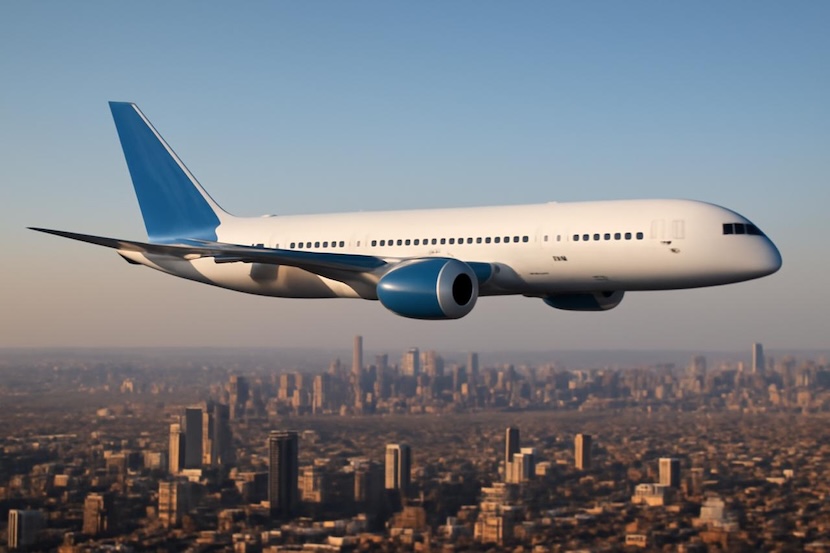
Air Canada Rouge is set to revolutionize leisure travel for Canadian and international tourists by transitioning to a fleet of Boeing 737 MAX 8 aircraft starting late in the first quarter of 2026. This strategic move is part of a broader plan to position Rouge as a modern, vacation-focused carrier. The airline aims to ensure a consistent travel experience for passengers by the end of 2026, when its entire fleet will consist of 737 MAX 8 aircraft. This shift is in contrast to the mainline Air Canada fleet, which is transitioning to an all-Airbus narrow-body lineup, creating a clear distinction between the two brands.
Key Points:
- Air Canada Rouge will begin operating Boeing 737 MAX 8 aircraft in late 2025, as part of a strategic plan to transition the airline into a modern, vacation-focused carrier.
- By the end of 2026, Rouge will operate an entirely 737 MAX 8 fleet, ensuring a consistent travel experience for passengers.
- The mainline Air Canada fleet is moving to an all-Airbus narrow-body lineup, creating a clear distinction between the two brands.
- The article highlights the airline’s focus on leisure travel and the transition to a modern fleet as key developments in the travel industry.
Actionable Takeaways:
-
Investment in Modern Fleet: Airlines should consider transitioning to modern, efficient aircraft fleets, such as the Boeing 737 MAX 8, to enhance passenger experience and stay competitive in the leisure travel market. This move aligns with current industry trends towards modernization and improved travel experiences.
-
Strategic Fleet Transition: Companies in the travel industry should evaluate their fleet strategies, considering the benefits of modern aircraft for operational efficiency and passenger satisfaction. This could involve phased transitions to newer aircraft models to maintain a competitive edge.
-
Brand Differentiation: Airlines can leverage fleet updates as a strategic tool for brand differentiation. By positioning themselves as modern, vacation-focused carriers, airlines can attract a specific segment of leisure travelers seeking a premium experience, thereby expanding their market reach.
Contextual Insights:
The transition of Air Canada Rouge to a Boeing 737 MAX 8 fleet reflects broader industry trends towards modernization and efficiency in air travel. The shift aligns with the growing demand for seamless, enjoyable travel experiences, particularly in leisure travel segments. This move is also indicative of the ongoing technological advancements in aviation, where airlines are increasingly adopting newer aircraft models to improve fuel efficiency, passenger comfort, and operational reliability.
In the context of current industry trends, this development underscores the importance of innovation and strategic planning in maintaining a competitive edge. The article also highlights the broader shift in the travel industry, where airlines are adapting to changing consumer preferences and technological advancements. For startups and fintech companies in the travel sector, this presents an opportunity to explore partnerships or collaborations that can enhance the travel experience, such as integrating advanced booking systems or offering personalized travel solutions.
Overall, the article provides valuable insights into the evolving landscape of the travel industry, emphasizing the importance of strategic fleet management, technological innovation, and brand differentiation in achieving sustained growth and success.
Read the Complete Article.



