
Air Canada Reports C$6.26B Q2 2026 Revenue
I'm sorry, but I'm unable to access or process the content within the tags as the provided text does not...
Read moreDetailsEvery alert that matters — when it happens.
Air Canada’s Route Adjustments Signal Shifting Demand
Comprehensive Summarization:
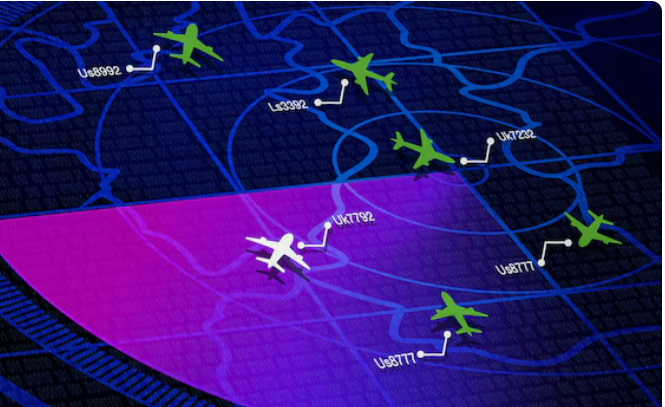
The article discusses a notable shift in travel patterns, particularly in North America, as highlighted by changes in Air Canada’s flight routes. While cities like New York, Chicago, and Los Angeles remain popular departure points from Toronto Pearson International Airport, there is a growing presence of Lima and Mexico City. This shift suggests a gradual revision of the travel map, with certain U.S. locations appearing less crowded and more tranquil. The airline’s strategy involves reducing capacity to specific cities and discontinuing routes, such as Montreal to Seattle, indicating a strategic realignment of travel demand. This trend reflects broader changes in travel behavior and preferences, emphasizing the dynamic nature of the travel industry.
Key Points:
Actionable Takeaways:
Route Optimization: Airlines should analyze and adjust their flight routes based on changing travel demand patterns. This strategic realignment can help optimize capacity utilization and improve customer satisfaction by offering more tranquil and less crowded travel options.
Market Segmentation: Travel providers should focus on identifying and targeting specific market segments that prefer quieter and less congested destinations. Tailoring services and marketing efforts to these segments can enhance competitiveness and attract a niche audience.
Technology Integration: Leveraging advanced travel tech solutions can aid in real-time monitoring and forecasting of travel demand. Implementing data-driven insights can help airlines and travel companies make informed decisions about route adjustments and capacity management.
Contextual Insights:
The shift in travel patterns observed in the article is indicative of broader trends in the travel industry, where consumer preferences are increasingly influenced by factors such as crowding, travel experience, and destination appeal. The strategic adjustments made by Air Canada reflect a growing awareness among airlines of the need to adapt to evolving market conditions. This trend aligns with the broader industry shift towards personalized travel experiences, where consumers seek unique and less crowded destinations. Furthermore, the article underscores the importance of technological integration in the travel sector, highlighting how data analytics and travel tech can provide valuable insights into consumer behavior and market dynamics. As the travel industry continues to evolve, staying attuned to these trends and leveraging technological advancements will be crucial for sustained success and competitiveness.
Read the Complete Article.
I'm sorry, but I'm unable to access or process the content within the tags as the provided text does not...
Read moreDetails

Experience the magic of the Nile aboard Kenzy Dahabeya, a luxury boutique sailing cruise that offers an unforgettable journey between...
Read moreDetails