











Comprehensive Summarization:
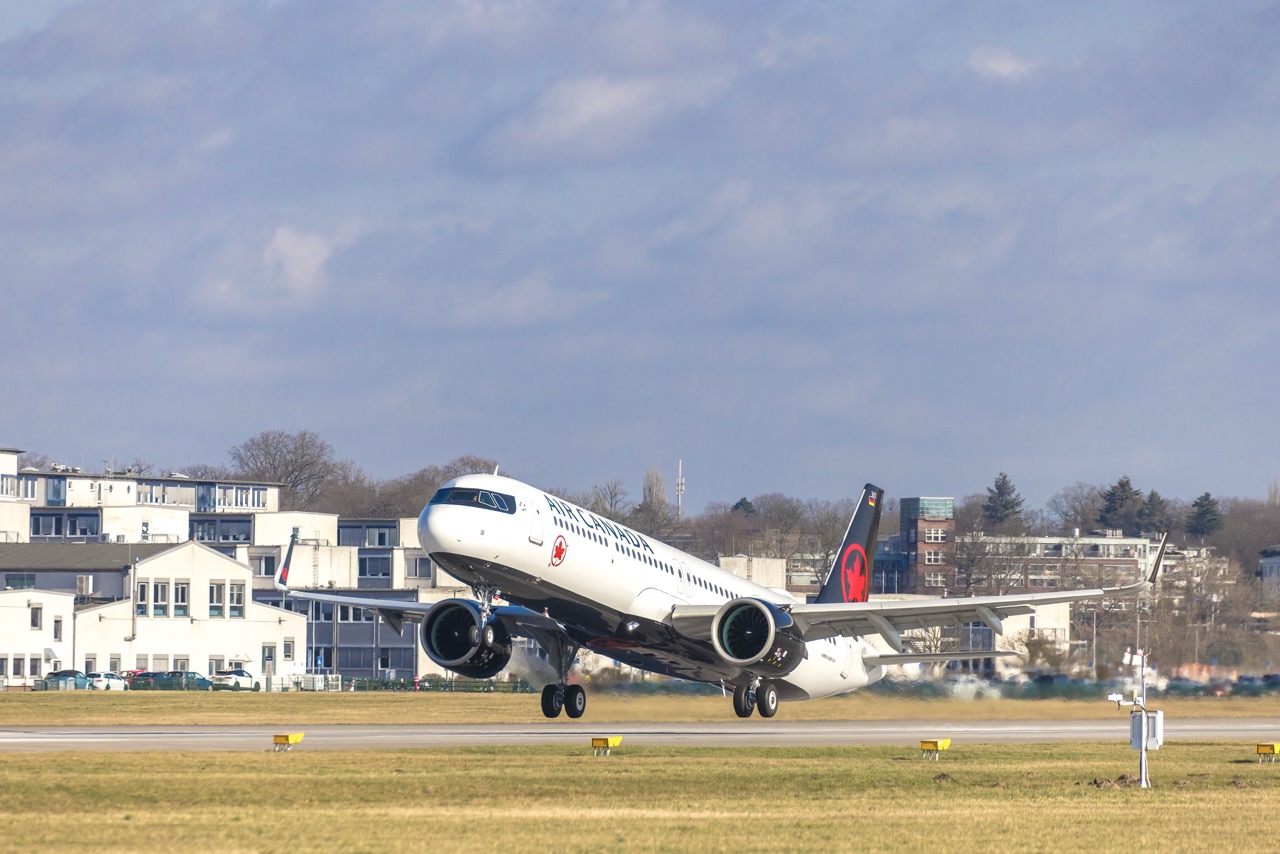
Air Canada has successfully taken delivery of its first Airbus A321XLR aircraft, leased through SMBC Aviation Capital. This marks a significant step in the airline’s fleet renewal strategy, which aims to introduce new cabins and enable thinner transatlantic routes that were previously not viable with widebody service. The A321XLR, part of Air Canada’s order for 30 such aircraft (15 leased and 15 purchased), will join the fleet in the coming years, enhancing the airline’s capabilities for long-haul travel.
Key Points:
- Air Canada has acquired its first Airbus A321XLR aircraft, leased through SMBC Aviation Capital.
- The airline has ordered a total of 30 A321XLR aircraft, with 15 to be leased and 15 purchased.
- The A321XLR supports Air Canada’s fleet renewal strategy by enabling thinner transatlantic routes.
- The aircraft will introduce new cabin configurations and contribute to Air Canada’s long-term fleet growth.
Actionable Takeaways:
-
Strategic Fleet Expansion: Air Canada’s acquisition of the A321XLR demonstrates a strategic shift towards more efficient transatlantic routes, potentially opening new market opportunities and enhancing connectivity. This move could influence other airlines to reconsider their fleet strategies, particularly in the context of rising fuel costs and environmental regulations.
-
Innovation in Cabin Design: The introduction of new cabins on the A321XLR could set a new standard for passenger experience in long-haul travel. Airlines may need to reassess their cabin design strategies to remain competitive, focusing on comfort, efficiency, and sustainability.
-
Market Impact on Airline Operations: The successful integration of the A321XLR into Air Canada’s fleet could encourage other airlines to explore similar leasing options, potentially leading to increased competition in the leasing market. This could result in more favorable leasing terms for airlines, impacting their operational costs and strategic planning.
Contextual Insights:
The introduction of the Airbus A321XLR by Air Canada is a notable development in the context of the ongoing evolution of the aviation industry. Recent trends indicate a shift towards more efficient aircraft that can operate on thinner routes, driven by factors such as rising fuel costs, environmental concerns, and the need for cost-effective fleet management. The A321XLR, with its hybrid-electric propulsion system and advanced aerodynamics, represents a significant step forward in addressing these challenges.
Moreover, the article’s focus on Air Canada’s fleet renewal strategy aligns with broader industry trends towards sustainability and operational efficiency. As airlines seek to balance cost considerations with environmental responsibilities, innovations like the A321XLR play a crucial role in shaping the future of air travel. Thought leaders in the travel industry are likely to view this development as a positive indicator of the sector’s adaptability and commitment to modernizing its fleet to meet evolving market demands.
Handling Different Article Types:
The article in question is a news blurb, providing factual information about a specific development in the airline industry. The structured approach outlined above is well-suited to such articles, ensuring that the summary, key points, and actionable takeaways are concise, fact-based, and directly relevant to the professional audience. For opinion pieces or feature articles, the analysis might delve deeper into the implications and expert perspectives, but the core methodology of extracting key points and providing actionable insights would remain consistent.
Read the Complete Article.






