












Comprehensive Summarization:
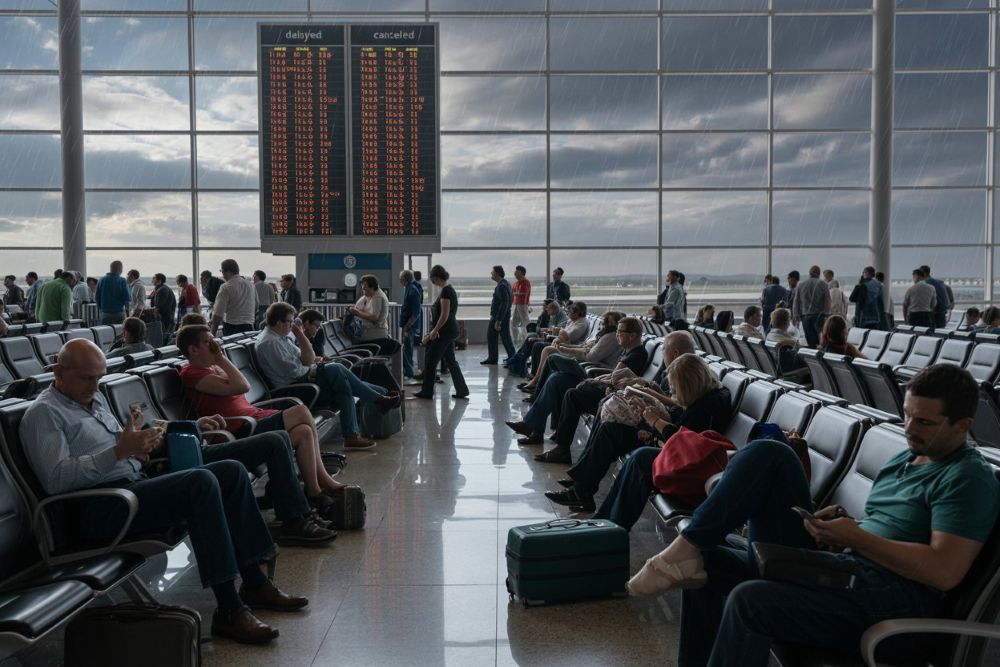
The article reports on significant disruptions to air travel in Canada due to severe weather conditions affecting multiple airlines, including Air Canada, WestJet, Jazz, and Endeavor. A total of 218 flight cancellations and 740 delays have impacted major cities such as Toronto, Montreal, St. John’s, Ottawa, Winnipeg, and Vancouver. The storm systems have left thousands of passengers stranded or facing long delays, highlighting the severe impact of weather on air travel operations in the region. The article underscores the challenges faced by the travel industry in managing disruptions caused by natural events and the broader implications for passenger experience and operational efficiency.
Key Points:
- Severe Weather Impact: Air Canada, WestJet, Jazz, and Endeavor face 218 cancellations and 740 delays across major Canadian cities due to severe weather.
- Affected Cities: The disruptions include Toronto, Montreal, St. John’s, Ottawa, Winnipeg, and Vancouver, affecting thousands of passengers.
- Operational Challenges: The article highlights the challenges faced by airlines in managing flight operations during severe weather events, emphasizing the need for robust contingency planning.
- Passenger Disruption: Thousands of travelers are stranded or facing significant delays, underscoring the broader impact on passenger experience and travel logistics.
Actionable Takeaways:
-
Enhanced Weather Monitoring Systems: Airlines should invest in advanced weather monitoring and predictive analytics systems to better anticipate and mitigate the impact of severe weather on flight operations. This can help in proactively adjusting flight schedules and informing passengers in advance, reducing disruptions.
-
Improved Passenger Communication Protocols: Implementing clearer and more timely communication protocols for passengers affected by flight disruptions can enhance the passenger experience. This includes providing real-time updates through multiple channels (e.g., mobile apps, email, SMS) and offering alternative travel options or compensation where applicable.
-
Collaborative Resilience Strategies: Airlines and airports should collaborate on resilience strategies to manage weather-related disruptions more effectively. This could involve sharing resources, coordinating ground operations, and developing contingency plans that can be quickly activated during severe weather events.
Contextual Insights:
The article reflects the ongoing challenges faced by the travel industry in managing disruptions caused by natural events. Recent trends indicate a growing emphasis on technological solutions to enhance operational resilience. Innovations in weather forecasting and real-time communication are becoming increasingly critical for airlines to maintain service reliability. Moreover, the incident highlights the importance of passenger-centric strategies in managing disruptions, as maintaining trust and satisfaction during such events is crucial for long-term customer loyalty. As the travel industry continues to evolve, integrating advanced technologies and fostering collaborative resilience strategies will be key to navigating future challenges effectively.
Read the Complete Article.



